105 places
Culture in Vietnam
Ethnic minorities, ancient traditions, and living heritage
105 locations for culture

📍 Landmark
A Pa Chai (Vietnam's Westernmost Point)
📍 dien bien
A Pa Chai is Vietnam's westernmost point - a remote peak in Điện Biên province where Vietnam, Laos, and China meet at a tri-border marker, reached by a full-day trek through the forest of Mường Nhé district.

🎎 Cultural
Đình làng An Hải
📍 quang ngai
Đình làng An Hải is one of Lý Sơn's two historic village communal houses, serving as a memorial to the Hải Đội Hoàng Sa - the imperial navy conscripts from Lý Sơn who for over two centuries sailed annually to assert Vietnamese sovereignty over the Hoàng Sa (Paracel) Islands, knowing many would not return.

🎎 Cultural
Đình làng An Vĩnh
📍 quang ngai
Đình làng An Vĩnh is the communal house of Lý Sơn's oldest village, near the main ferry port, and one of the two sites central to the Hải Đội Hoàng Sa memorial tradition - the annual ceremony honoring the Lý Sơn sailors sent on imperial missions to the Hoàng Sa (Paracel) Islands.

📍 Pagoda
Ba Danh Pagoda
📍 ha nam
Ba Danh Pagoda in Hà Nam is known throughout Vietnam by a single proverb - 'as deserted as Ba Danh Pagoda' - a Buddhist complex set on a quiet peninsula between two rivers that genuinely lives up to its reputation for solitude.
🏔️ Mountain
Ba Den Mountain
📍 tay ninh
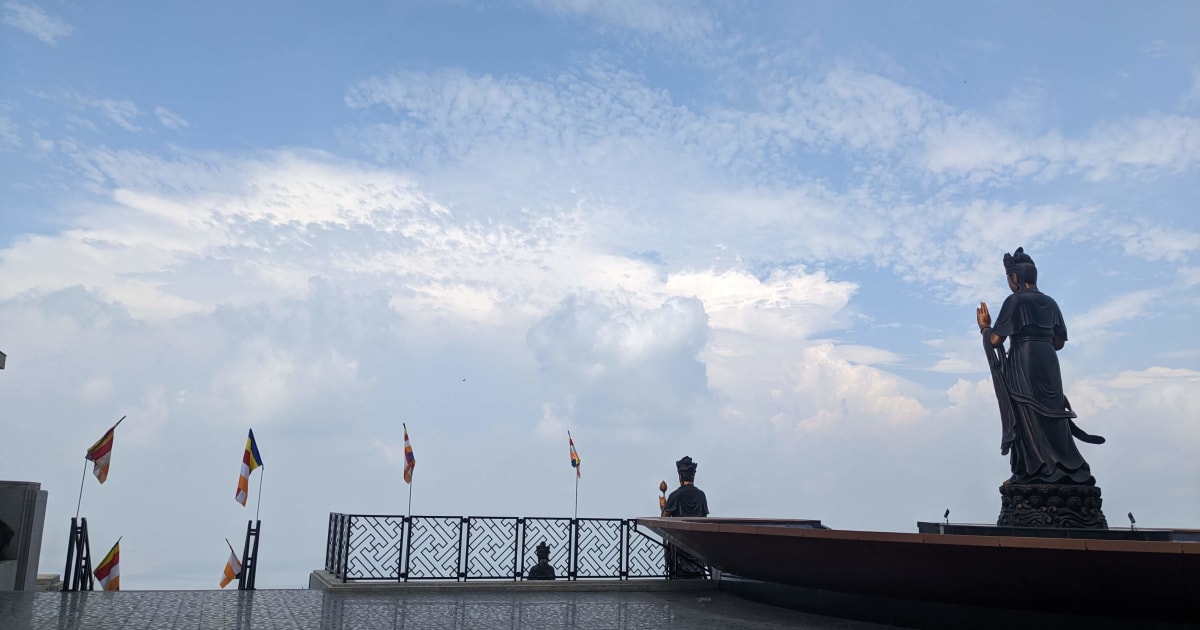
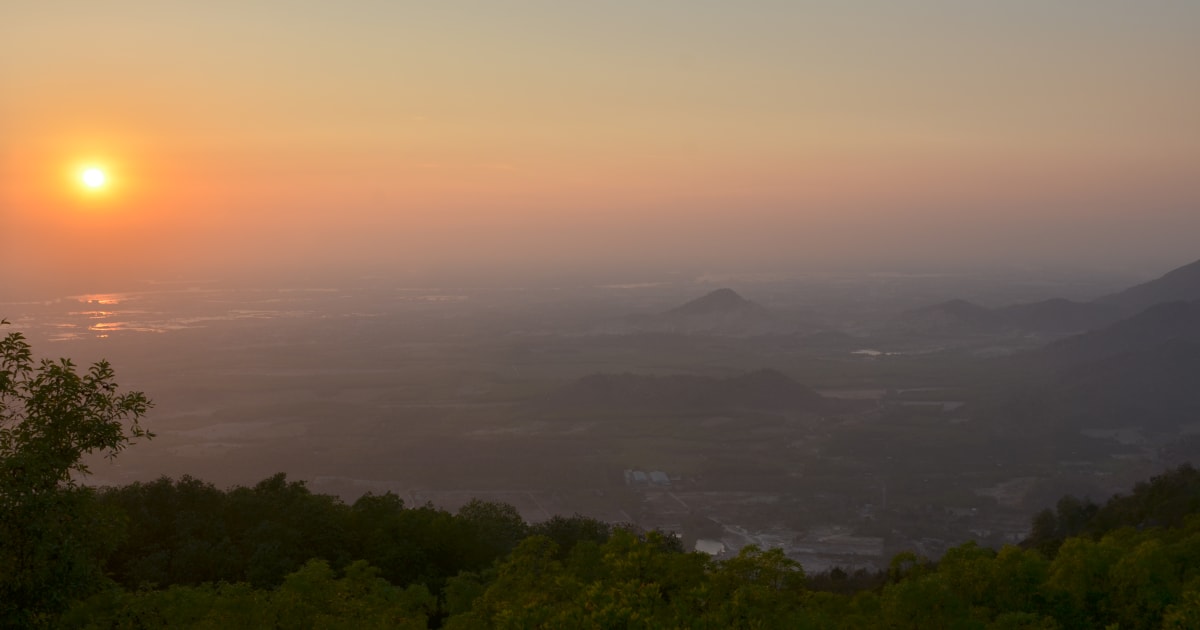
Ba Den Mountain is the highest peak in southern Vietnam at 986 metres, rising sharply from the flat Tay Ninh plain and visible for 50km in every direction. A major Buddhist and Cao Dai pilgrimage site with a cable car to near the summit and trekking trails through forest to the top.

📍 Lake
Ba Om Lake
📍 tra vinh
Ba Om Lake in Trà Vinh is a sacred Khmer reservoir over 1,300 years old, surrounded by ancient trees and the Âng Pagoda - the most important Khmer Buddhist temple in a province with one of the largest Khmer Krom communities in the Mekong Delta.

🌿 Nature
Bắc Sơn Valley
📍 lang son
Bắc Sơn Valley in Lạng Sơn is one of northern Vietnam's most photogenic and least-visited landscapes - a wide flat basin of patchwork rice paddies ringed by dramatic limestone karst peaks, populated by Tày and Nùng ethnic minority villages that have changed little in generations.

📍 Pagoda
Bái Đính Pagoda
📍 ninh binh
Bái Đính is Vietnam's largest Buddhist complex - a modern hilltop pagoda near Ninh Bình holding multiple national records including Vietnam's largest bronze Buddha, longest arhat corridor (500 statues), and heaviest bell, surrounded by older cave pagodas dating to the 11th century.
📍 Pagoda
Bat Pagoda
📍 soc trang
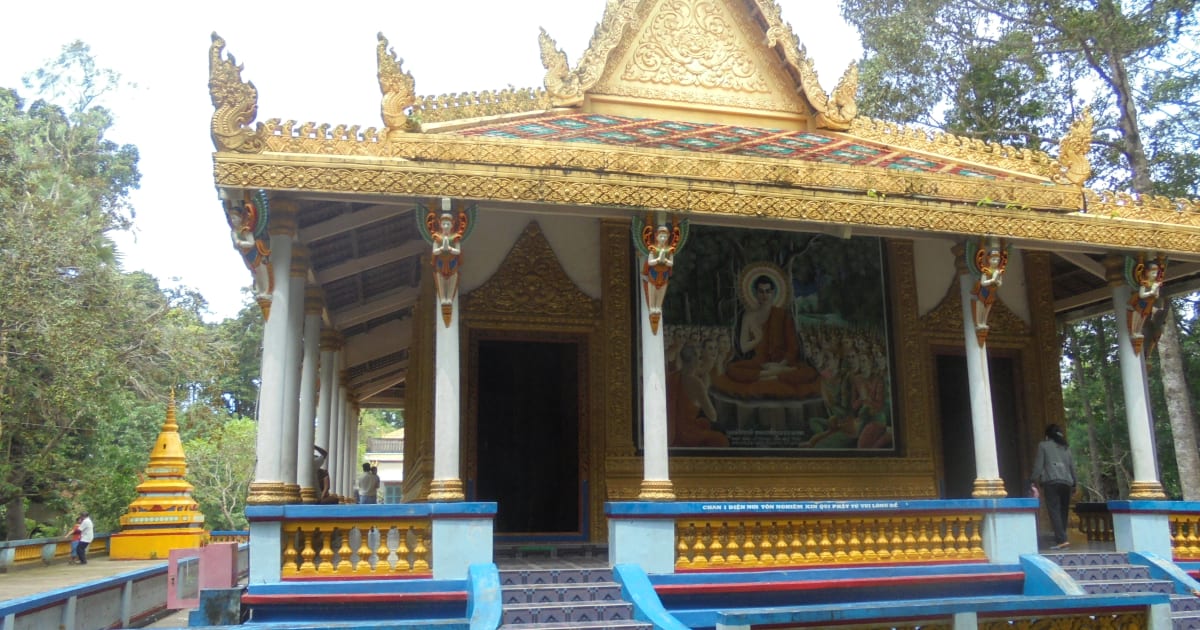
Bat Pagoda (Chùa Dơi) in Sóc Trăng is a 400-year-old Khmer Buddhist temple where tens of thousands of large fruit bats roost in the ancient trees year-round - an extraordinary and unexpected combination of active religious site and wildlife spectacle.

🌿 Nature
Bảy Mẫu Coconut Forest
📍 quang nam
Bảy Mẫu Coconut Forest is a 7-hectare water coconut palm wetland in Cẩm Thanh village - navigated by traditional Vietnamese basket boats through narrow waterways under the palm canopy, with fishing demonstrations and local music performances.

📍 History
Bến Hải River & Hiền Lương Bridge
📍 quang tri
The Bến Hải River and Hiền Lương Bridge mark the former demilitarized zone that divided Vietnam at the 17th parallel from 1954 to 1975 - one of the most historically significant and quietly moving sites on the Vietnam War trail in Quảng Trị.

🛒 Market
Ben Thanh Market
📍 ho chi minh city
Ben Thanh Market is the defining landmark of central Ho Chi Minh City - a 1914 French colonial covered market with a distinctive clocktower entrance selling food, clothing, souvenirs, and local produce, surrounded by an evening street food market.

🎎 Cultural
Bến Tre Coconut Village
📍 ben tre
Bến Tre is the Mekong Delta's coconut capital - a province of dense palm groves, narrow canals, and traditional villages where coconut is processed into every conceivable product, explored best by bicycle on flat delta roads and by small boat through the shaded waterways.

🎎 Cultural
Bich Dong Pagoda
📍 ninh binh
Bích Động Pagoda - the 'Second Grotto of the South' - is an 18th-century Buddhist complex built across three levels inside and around a limestone karst, combining cave shrines, cliff-carved steps, and a hilltop terrace with sweeping views over the Ninh Bình valley.
🏔️ Mountain
Bình Liêu Border Mountains
📍 quang ninh
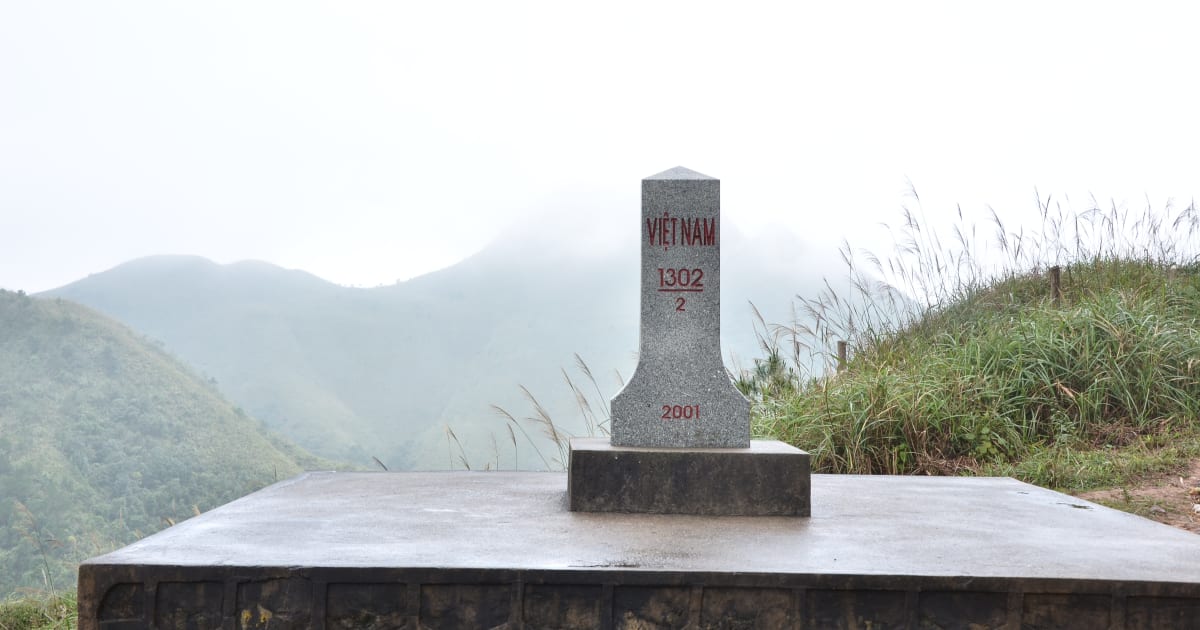
Bình Liêu in Quảng Ninh province is a highland border district where terraced rice paddies and sweeping reed grass fields meet the Chinese frontier - home to Dao, Tày, and Sán Chỉ ethnic minority communities, and one of northern Vietnam's most beautiful and overlooked autumn landscapes.

🏔️ Mountain
Bùi Hui Grassland
📍 quang ngai
Bùi Hui Grassland is a highland meadow at 700m elevation in Ba Tơ district, Quảng Ngãi - a wide-open landscape of rolling hills, sim berry shrubs, and cool mountain air, home to the H're ethnic minority and one of Quảng Ngãi's most scenic camping destinations.
📍 Lake
Búng Bình Thiên Lake
📍 an giang
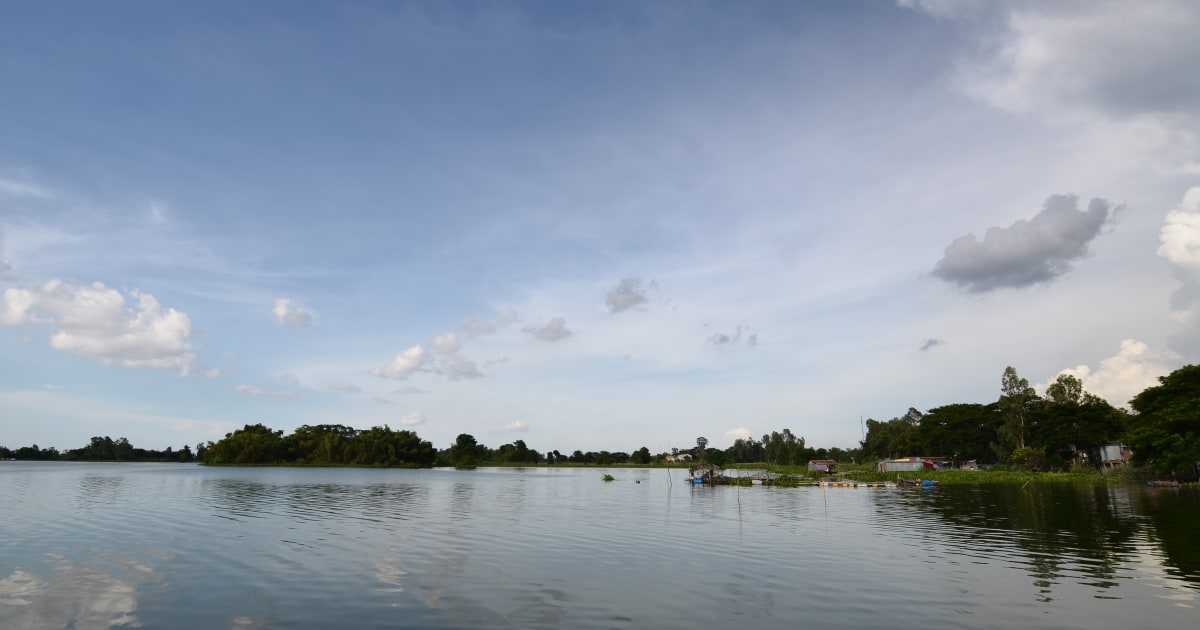
Bưng Bình Thiên is a natural freshwater lake in An Giang's border district, known as the 'holy lake' - it expands dramatically during Mekong flood season and fills with lotus blossoms, surrounded by Cham Muslim villages.

🛒 Market
Cái Răng Floating Market
📍 can tho
Cái Răng is the largest and most active floating market in the Mekong Delta - hundreds of wooden boats loaded with wholesale fruit, vegetables, and goods trading on the river at dawn, 6km from Cần Thơ city centre, best seen from a small rowing boat at 5 AM.

⛩️ Temple
Cao Đài Holy See
📍 tay ninh
The Cao Đài Holy See in Tây Ninh is the Vatican of a uniquely Vietnamese religion that venerates Buddha, Confucius, Jesus, and Victor Hugo equally - its cathedral is one of the most visually extraordinary buildings in Southeast Asia, and the noon ceremony is open to visitors.
🌿 Nature
Cần Giờ Monkey Island
📍 ho chi minh city
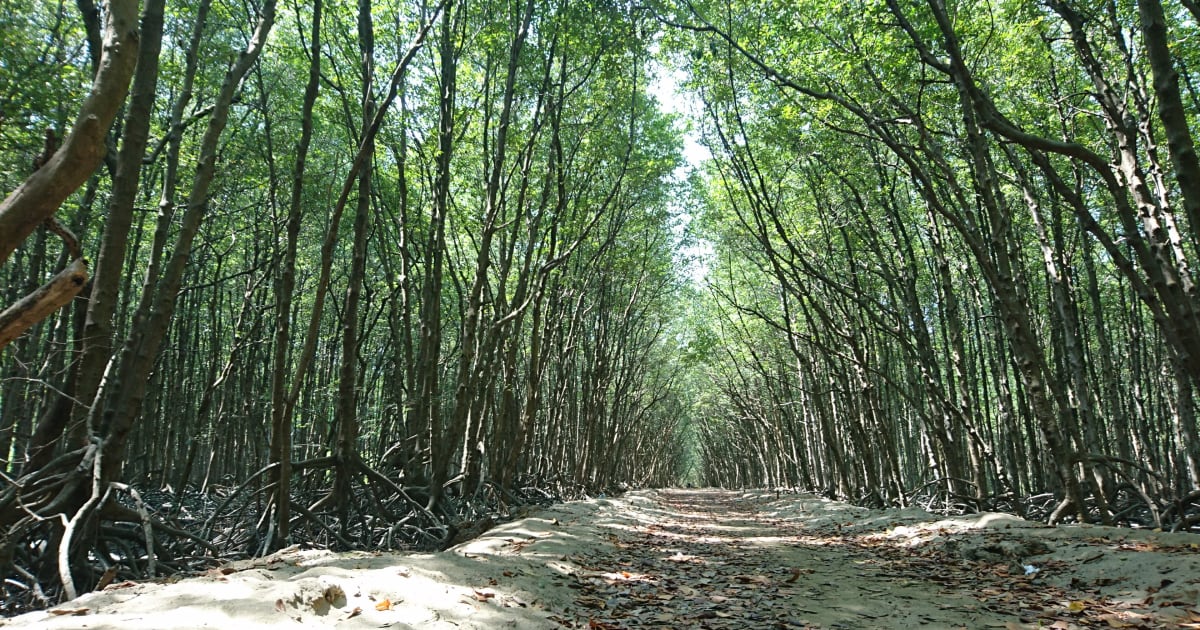
Cần Giờ Monkey Island sits inside a UNESCO Biosphere Reserve 60km from central Saigon - a river island in the mangrove forest where long-tailed macaques live in large semi-wild troops, reached by boat through the Cần Giờ waterways.

🎎 Cultural
Cat Cat Village
📍 lao cai
Cat Cat Village sits 2.5km below Sa Pa town in a steep valley - an original Black H'mong settlement with traditional indigo weaving, a 100m waterfall, and a walking trail that gives an easy introduction to highland village life.

🏔️ Mountain
Núi Chứa Chan (Chứa Chan Mountain)
📍 dong nai
Chứa Chan is located in Xuân Lộc District, about 90 km east of Ho Chi Minh City. The mountain sits just off National Highway 1A and is easy to reach by motorbike or car, with the journey taking around two hours from the city. Most visitors start at the parking area at the base of the mountain, where two routes begin: a long concrete staircase leading to Bửu Quang Pagoda, and a quieter forest trail used by hikers heading to the summit.

🏯 Heritage
Con Dao Prison
📍 vung tau
Con Dao Prison is Vietnam's most significant historical site of incarceration - a French colonial penal complex used continuously from 1862 to 1975, known internationally for the Tiger Cages where political prisoners were kept in underground stone pits, and the burial place of revolutionary heroine Võ Thị Sáu.
✨ Attraction
Crazy House
📍 lam dong
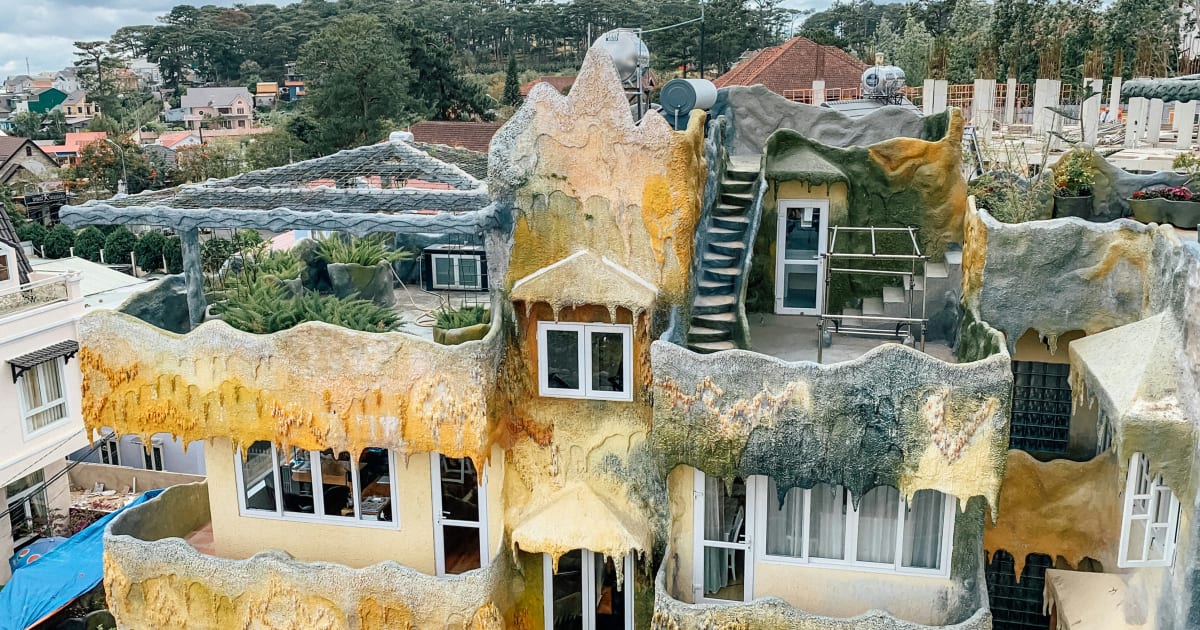
The Crazy House is Đà Lạt's most extraordinary building - a Gaudí-inspired architectural fantasy of organic forms, cave-like rooms, giant animal sculptures, and winding exterior stairways designed by Vietnamese architect Đặng Việt Nga, still under construction after 30 years and operating as a functioning guesthouse.
🏯 Heritage
Cu Chi Tunnels
📍 ho chi minh city
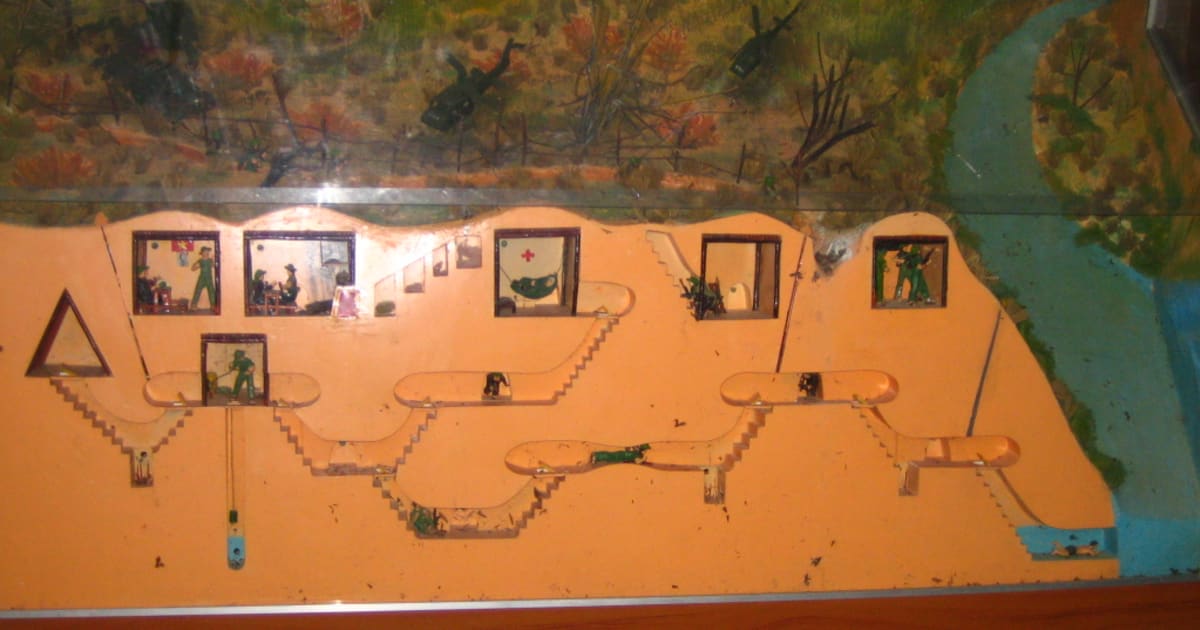
Cu Chi Tunnels is a 250km network of underground passages used by Viet Cong guerrillas during the Vietnam War - one of the most remarkable feats of military engineering in history, now preserved as a living war museum 40km northwest of Ho Chi Minh City.

🏯 Heritage
Đà Lạt Railway Station
📍 lam dong
Đà Lạt Railway Station is the best-preserved French colonial railway station in Vietnam - a 1938 Art Deco building with a distinctive three-peaked roof, still operating a tourist train to the village of Trại Mát through pine forest and flower farms.
🏔️ Mountain
Núi Dinh (Dinh Mountain)
📍 ba ria vung tau
Núi Dinh is a 504m coastal peak in Bà Rịa–Vũng Tàu province - the highest point in the region, with forested trails, a summit pagoda, and panoramic views over the Vũng Tàu peninsula and the South China Sea.
🎎 Cultural
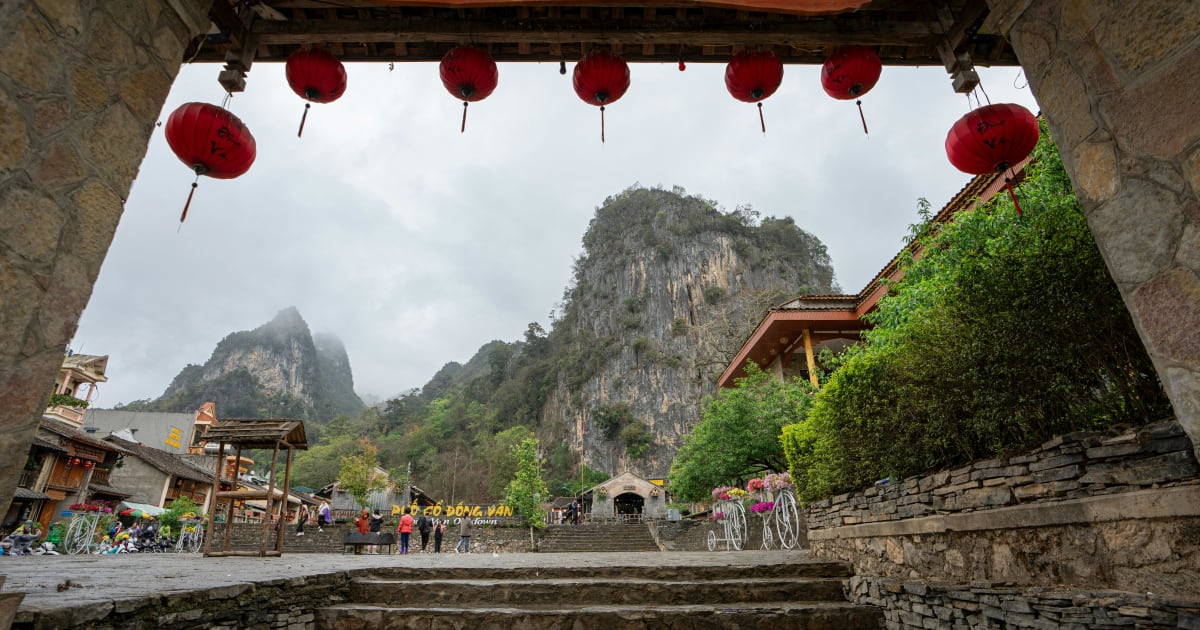
Đồng Văn Old Town
📍 ha giang
Đồng Văn Old Town - a preserved French colonial and Qing-era stone quarter perched at 1,600m on Vietnam's northernmost plateau, surrounded by dramatic karst peaks and H'Mông villages.
🎎 Cultural
Du Già Village
📍 ha giang
Du Già is the most beautiful village on the eastern Ha Giang Loop - a Tày settlement in a river valley surrounded by limestone karst, rice terraces, and waterfalls, with some of the best homestay accommodation on the entire loop and a genuine community that exists independently of tourism.
📍 Pagoda
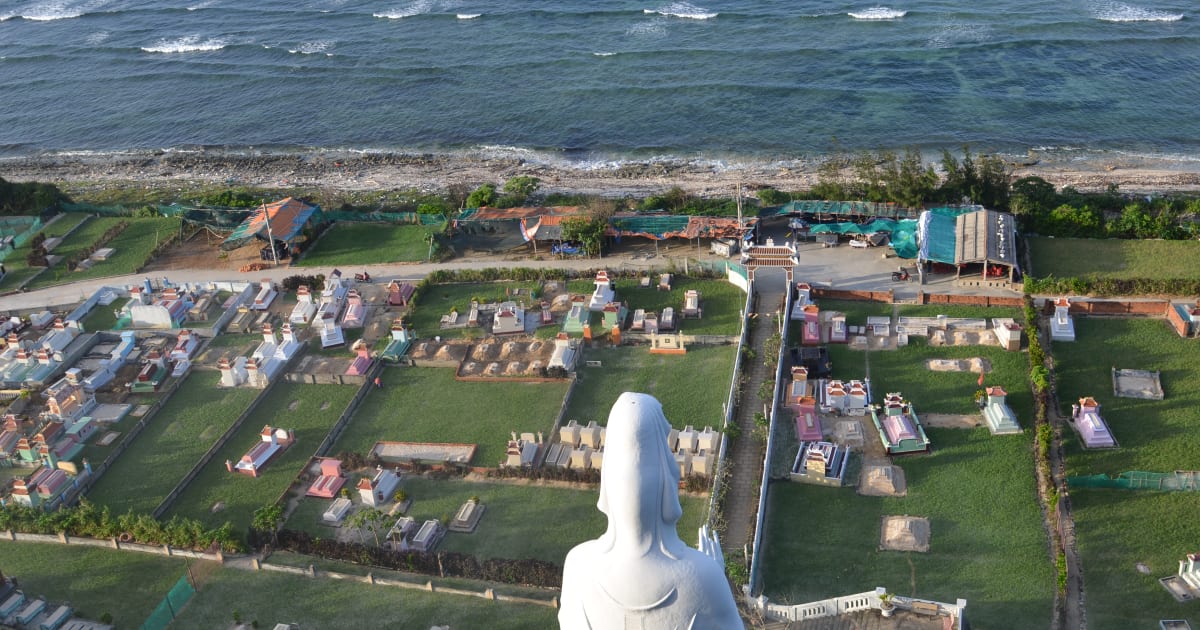
Chùa Đục
📍 quang ngai
Chùa Đục is a pagoda built into the volcanic rock face of Núi Giếng Tiền on Lý Sơn's eastern coast, accessed by over 100 stone steps cut into the cliff. The complex is dominated by a 27-meter white Quan Âm statue facing the sea, believed by locals to protect the island from storms and typhoons.
✨ Attraction
The Duck Stop
📍 quang binh
The Duck Stop is Phong Nha's best-known traveller bar - a riverside terrace on the Son River in Sơn Trạch village where solo travellers, guides, and caving operators converge in the evening, with cold beer, local food, sunset views, and the best information on what's actually worth doing in the national park.
🪨 Cave
Eight Ladies Cave
📍 quang binh
Eight Ladies Cave is one of Vietnam's most sacred war memorials - a limestone cave in Phong Nha-Kẻ Bàng where eight young female volunteers were killed by American bombing in 1972 while sheltering inside, reached by a jungle trek and visited as a place of pilgrimage by Vietnamese travellers.

🏔️ Mountain
Elephant Mountain
📍 dak lak
Elephant Mountain near Buôn Ma Thuột rises above the Central Highlands coffee belt and takes its name from the wild elephant herds that have roamed its forested slopes for centuries - still one of the few places in Vietnam where elephants exist in semi-wild conditions.
🏘️ Town
Hàm Ninh Fishing Village
📍 kien giang
Hàm Ninh Fishing Village on Phú Quốc's east coast - wooden stilt houses over the water, fresh crab straight off the boats, and a world away from the resort side of the island.

📍 Pagoda
Chùa Hang
📍 quang ngai
Chùa Hang - Thiên Khổng Thạch Tự - is a 400-year-old pagoda built inside the largest natural cave on Lý Sơn, carved from the volcanic rock of Núi Thới Lới. The cave is 24 meters deep with a 3.2-meter ceiling, housing altars set into natural stalactites, and the courtyard outside is shaded by ancient sea almond trees believed to be over 400 years old.
📍 Landmark
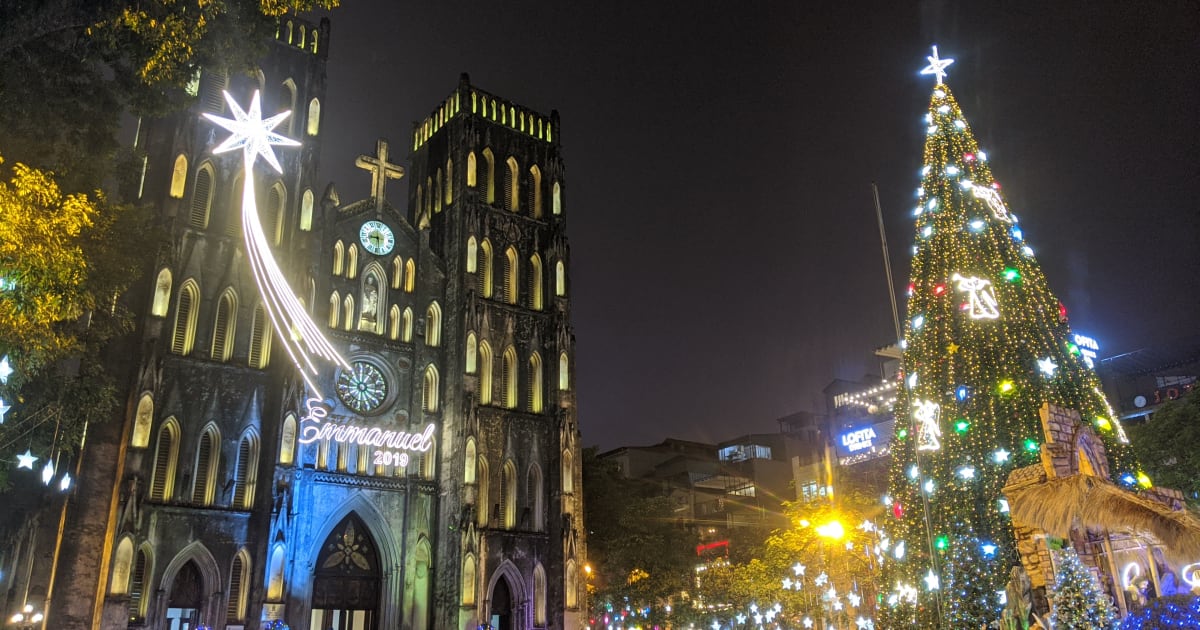
Hanoi St. Joseph's Cathedral
📍 ha noi
Hanoi St. Joseph's Cathedral is a neo-Gothic French colonial church built in 1886 at the heart of the Old Quarter - one of the oldest Western-style buildings in Vietnam and a defining landmark of central Hanoi.

🏯 Heritage
Hanoi Old Quarter
📍 ha noi
Hanoi's Old Quarter is a dense 36-street merchant district dating to the 13th century where each street historically traded a single craft - today it remains the commercial and cultural heart of the capital, with narrow lanes, ancient tube houses, street food, and the best urban walking in Vietnam.

✨ Attraction
Hanoi Train Street
📍 ha noi
Hanoi Train Street is a narrow residential alley in the Old Quarter where a working railway line passes within centimetres of the houses, cafes, and daily life of the people who live alongside it - one of Hanoi's most photographed and contested urban scenes.

🏯 Heritage
Hmong King Palace
📍 ha giang
The Hmong King Palace in Đồng Văn is the former residence of the Vương clan - the most powerful Hmong family in colonial Indochina - a remarkable stone compound built between 1919 and 1928 that blends Chinese, French, and Hmong architectural traditions in the heart of the Ha Giang plateau.
📍 Lake
Hoan Kiem Lake
📍 ha noi
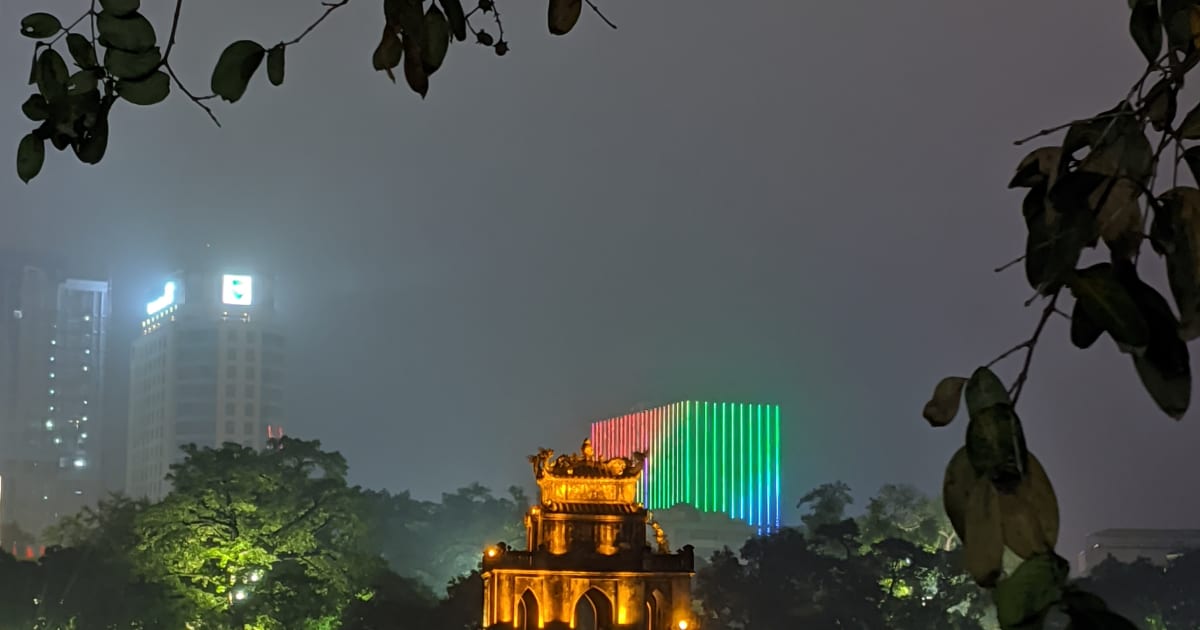
Hoan Kiem Lake is the symbolic heart of Hanoi - a scenic urban lake in the Old Quarter surrounded by shaded walkways, French colonial buildings, and the legendary Ngoc Son Temple, home to Vietnam's founding myth of the restored sword.

📍 History
Ho Chi Minh's Childhood Home
📍 nghe an
Ho Chi Minh's childhood home in Làng Sen, Kim Liên is the scene printed on the back of Vietnam's 500,000 VND note - the preserved village house where the future leader spent his early years, now the most significant pilgrimage site in Nghệ An.
🏯 Heritage
Ho Chi Minh Mausoleum Complex
📍 ha noi
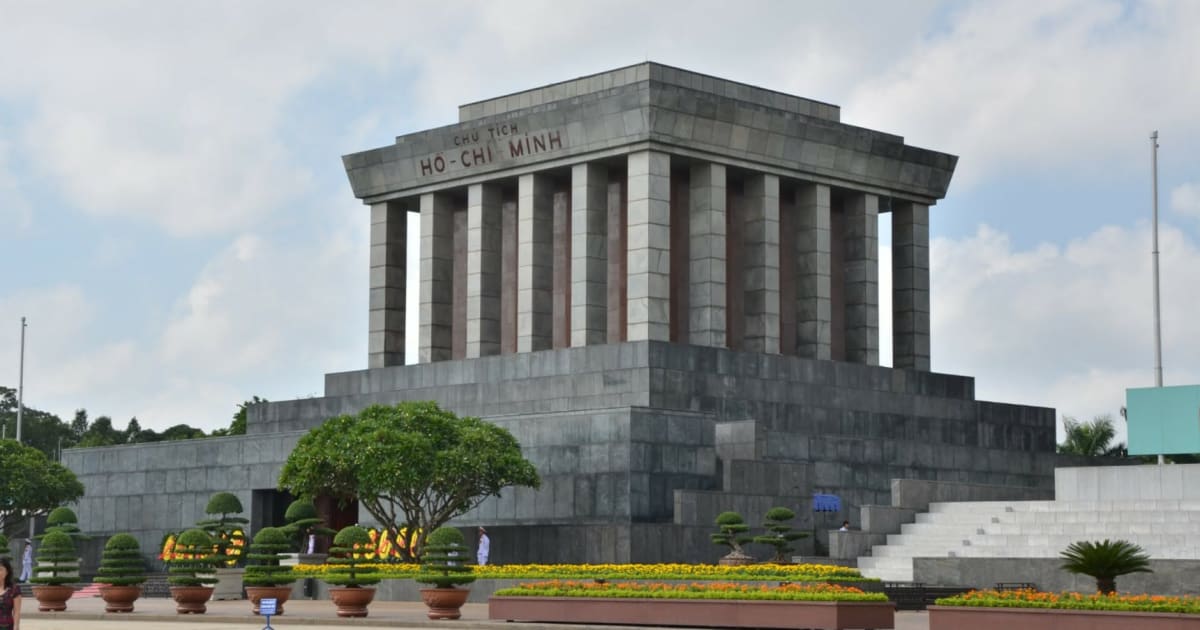
The Ho Chi Minh Mausoleum Complex in Hanoi's Ba Dinh Square contains the preserved body of Vietnam's founding leader, alongside his former residence, presidential palace, and museum - the most significant political pilgrimage site in Vietnam.

📍 Citadel
Ho Dynasty Citadel
📍 thanh hoa
Ho Dynasty Citadel is a UNESCO World Heritage Site in Thanh Hoa province - a remarkably intact 14th-century stone fortress built entirely from massive green schist blocks without mortar, representing the peak of Vietnamese medieval military architecture.

⛩️ Temple
Hộ Quốc Pagoda
📍 kien giang
Hộ Quốc Pagoda - a striking Buddhist temple complex climbing a forested hillside on Phú Quốc's east coast, with sweeping views over the Gulf of Thailand and one of the island's most peaceful atmospheres.
📍 History
Hoa Lo Prison
📍 ha noi
Hoa Lo Prison — nicknamed the 'Hanoi Hilton' by American POWs — is a preserved French colonial prison in central Hanoi, used to incarcerate Vietnamese political prisoners before 1954 and American pilots during the Vietnam War. One of Hanoi's most historically significant sites.

📍 History
Hoa Lư Ancient Capital
📍 ninh binh
Hoa Lư was Vietnam's first independent capital - a 10th-century fortress city built inside a natural ring of limestone karsts, where the Đinh and Early Lê dynasties ruled a newly unified Vietnam from 968 to 1010 AD, with two temple complexes still standing among the karst peaks.
🏘️ Town
Hội An Ancient Town
📍 quang nam
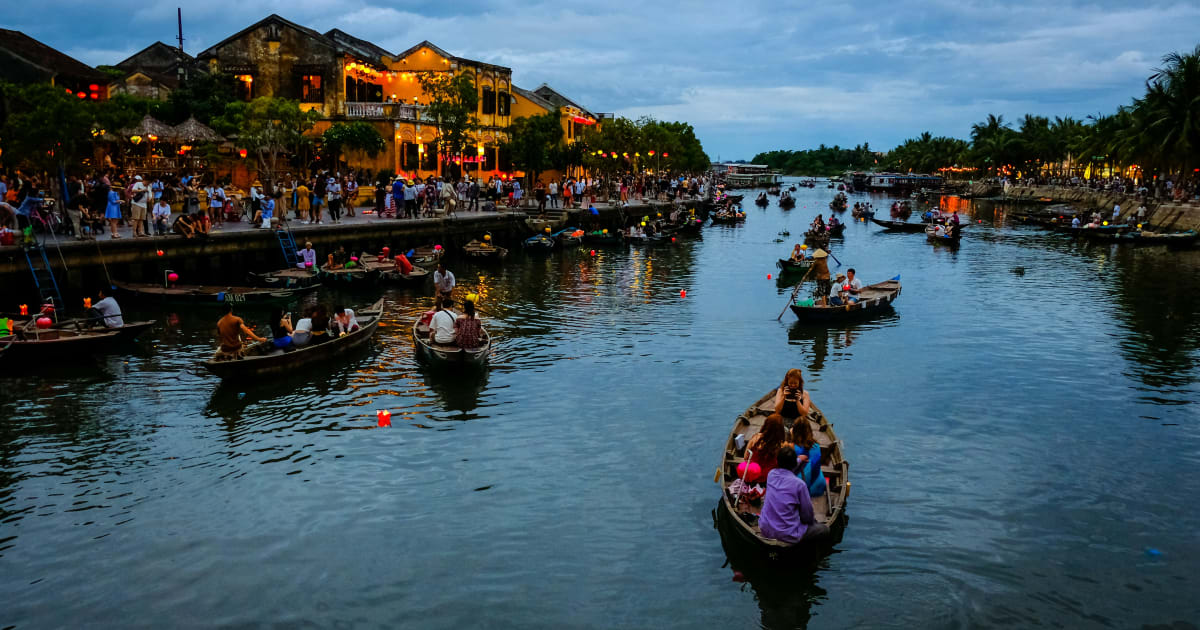
Hội An Ancient Town is Vietnam's best-preserved trading port - a UNESCO World Heritage Site of 400-year-old merchant houses, assembly halls, temples, and lantern-lit streets on the Thu Bồn River, where Japanese, Chinese, and Vietnamese architectural traditions fuse into a single walkable neighbourhood.
🪨 Cave
Hospital Cave
📍 hai phong
Hospital Cave is a three-storey limestone cave complex on Cát Bà Island that served as a secret Viet Cong hospital and military headquarters during the American War - treating up to 150 patients at a time while completely hidden from US aerial surveillance between 1963 and 1975.

⛩️ Temple
Hùng Temple (Đền Hùng)
📍 phu tho
Đền Hùng is Vietnam's most sacred national site - a hilltop temple complex in Phú Thọ dedicated to the Hùng Kings, the legendary founding fathers of the Vietnamese nation, and the destination of the country's largest annual pilgrimage.

🎎 Cultural
Imperial City
📍 hue
Huế's Imperial City is the former seat of the Nguyễn Dynasty - a 3km² walled citadel of palaces, gates, pavilions, and ceremonial halls on the Perfume River, modelled on Beijing's Forbidden City and the most complete imperial complex in Southeast Asia.

🏯 Heritage
Independence Palace
📍 ho chi minh city
Independence Palace is the former seat of the South Vietnamese government in Saigon - the building where the Vietnam War effectively ended on April 30, 1975 when North Vietnamese tanks crashed through its gates, preserved exactly as it was on that day.

📍 Pagoda
Jade Emperor Pagoda
📍 ho chi minh city
The Jade Emperor Pagoda is Ho Chi Minh City's most atmospheric active temple — a dense, incense-filled Taoist and Buddhist sanctuary built by Cantonese immigrants in 1909, housing elaborate lacquered statues, a sacred turtle pond, and the densest concentration of religious iconography in the city.

🎎 Cultural
Japanese Bridge
📍 quang nam
The Japanese Covered Bridge is Hội An's most iconic structure - a 400-year-old roofed bridge built by Japanese merchants in the early 1600s, spanning a small canal at the western edge of the Ancient Town, with a small temple built into its northern side.

📍 Pagoda
Keo Pagoda
📍 thai binh
Keo Pagoda in Thái Bình is one of the best-preserved examples of 17th-century Vietnamese wooden architecture - a national special relic with a three-story bell tower that has survived intact for over 400 years in the Red River Delta.

🎎 Cultural
Khải Định Tomb
📍 hue
Khải Định Tomb is the most visually striking of Huế's royal mausoleums - a dark concrete palace fusing Vietnamese, French, and Hindu architectural styles, covered inside with intricate mosaics of porcelain and glass, built over 11 years by the second-to-last Nguyễn emperor.

🌿 Nature
Khe Van Waterfall
📍 quang ninh
Khe Van Waterfall in Binh Lieu, Quang Ninh is the largest waterfall in the province - a wild three-tier cascade dropping through dense forest in San Chi ethnic minority territory, 100km northeast of Ha Long and almost entirely off the foreign tourist trail.

🎎 Cultural
Kon Tum Wooden Church
📍 kon tum
Kon Tum Wooden Church is a century-old Catholic church built entirely from timber by French missionaries - a remarkable piece of colonial-era religious architecture in the Central Highlands that blends Romanesque church form with traditional Bahnar stilt house construction methods.

⛩️ Temple
La Vang Sanctuary
📍 quang tri
La Vang Sanctuary in Hải Lăng district, Quảng Trị is Vietnam's most important Catholic pilgrimage site - a Minor Basilica built around a reported Marian apparition in 1798, destroyed in the 1972 battle of Quảng Trị, and partially rebuilt. The ruined bell tower and apparition shrine make it one of the most historically layered stops on the central Vietnam route.

📍 Pagoda
Linh Phước Pagoda
📍 lam dong
Linh Phước Pagoda in Trại Mát village is Vietnam's most elaborate ceramic mosaic temple - every surface covered in dragons, phoenixes, and Buddhist imagery assembled from millions of broken glass and ceramic fragments, with a 7-storey bell tower and a 49-metre dragon staircase.
🎎 Cultural
Lô Lô Chải Village
📍 ha giang
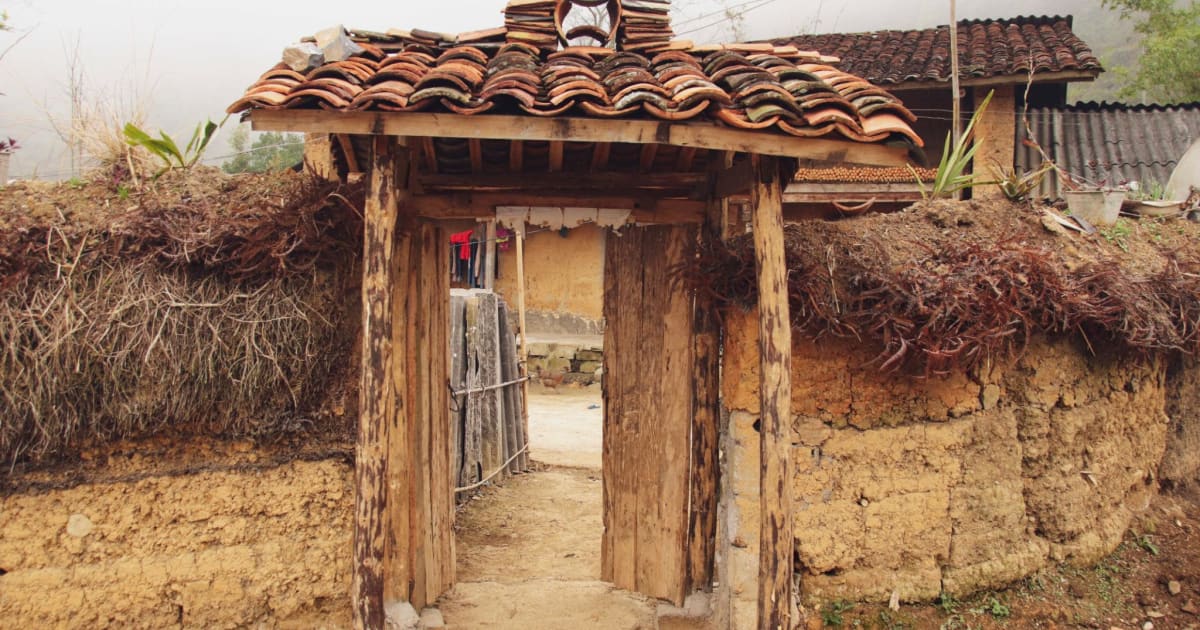
Lô Lô Chải Village - one of Vietnam's most intact ethnic minority villages, home to the Lô Lô people at the foot of Lũng Cú's Dragon Mountain, with traditional stone houses, distinctive indigo textiles, and a culture found nowhere else in the world.

📍 Pagoda
Long Sơn Pagoda
📍 khanh hoa
Long Sơn Pagoda is Nha Trang's most prominent religious site - an active Buddhist pagoda at the foot of a hill topped by a massive white seated Buddha, visible from across the city, with a mosaic dragon staircase and 152 stone steps to the summit viewpoint.
✨ Attraction
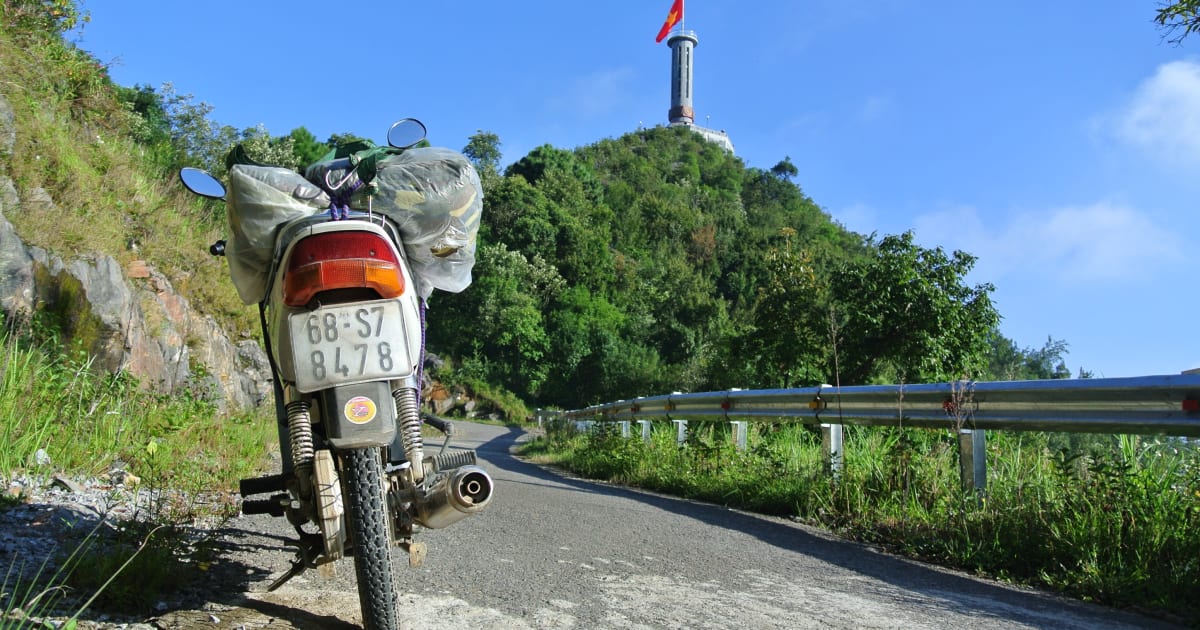
Lũng Cú Flag Tower
📍 ha giang
Lũng Cú Flag Tower - Vietnam's northernmost point on Dragon Mountain, where a massive national flag flies above the karst plateau with China visible across the valley below.

🌿 Nature
Lũng Pô
📍 lao cai
Lũng Pô in A Mú Sung commune, Bát Xát district is where the Red River first crosses into Vietnam from China - marked by border marker 92 and a 31.43m flagpole built in 2017. Remote and emotionally resonant, especially in March when kapok trees blaze red along the riverbank.

🌿 Nature
Lý Sơn Garlic Fields
📍 quang ngai
Lý Sơn's garlic fields cover much of the island's flat interior - rows of purple garlic grown in a unique mix of volcanic ash and white sand that produces a flavor unlike garlic grown anywhere else in Vietnam. The fields are most photogenic during the February to April harvest season, when the green rows stretch across the black volcanic soil toward the sea.

📍 Citadel
Mạc Dynasty Citadel
📍 cao bang
The Mạc Dynasty Citadel in Cao Bằng is one of Vietnam's most overlooked historical sites - a 16th-century mountain stronghold built by the Mạc lords after their retreat from Thăng Long, still partially standing in the borderlands near China.

🏯 Heritage
Mằng Lăng Church
📍 phu yen
Mằng Lăng Church is the oldest Catholic church still in use in Vietnam, built in 1892 in Phú Yên's Tuy An district. The red-brick Gothic structure houses Vietnam's most important linguistic relic - the original 1651 edition of Alexandre de Rhodes' catechism, the book credited with standardizing the Vietnamese alphabet.

📍 Tomb
Minh Mạng Tomb
📍 hue
Minh Mạng Tomb is the most architecturally ambitious of Huế's royal mausoleums - a vast symmetrical complex of lakes, bridges, pavilions, and temple halls spread across 28 hectares, built by the second Nguyễn emperor over 14 years on a hillside above the Perfume River.

🌿 Nature
Moc Chau Tea Hills
📍 son la
The Moc Chau Tea Hills are vast rolling plantations of trimmed green tea bushes covering the highland plateau of Son La province - one of the most photogenic agricultural landscapes in northern Vietnam, especially at dawn when mist fills the valleys between the rows.
🎎 Cultural
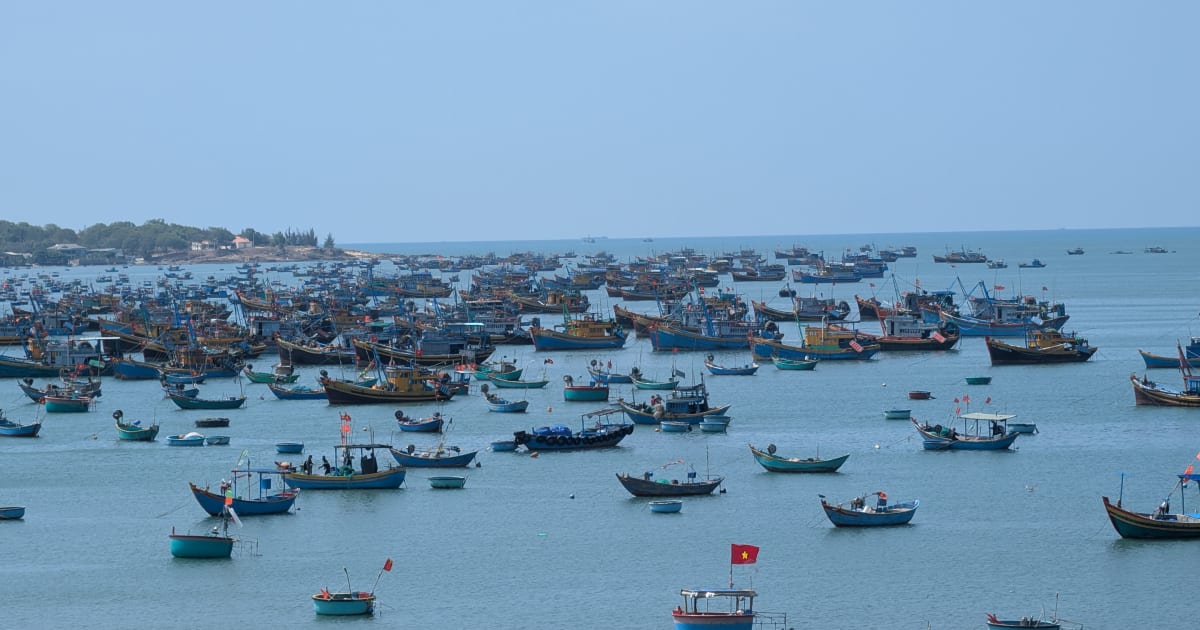
Mũi Né Fishing Village
📍 binh thuan
Mũi Né Fishing Village is a working harbour at the tip of the Mũi Né cape, where hundreds of colourful round basket boats (thuyền thúng) are moored in the bay. The early morning fish market is one of the most photogenic scenes on Vietnam's south coast.
🌿 Nature
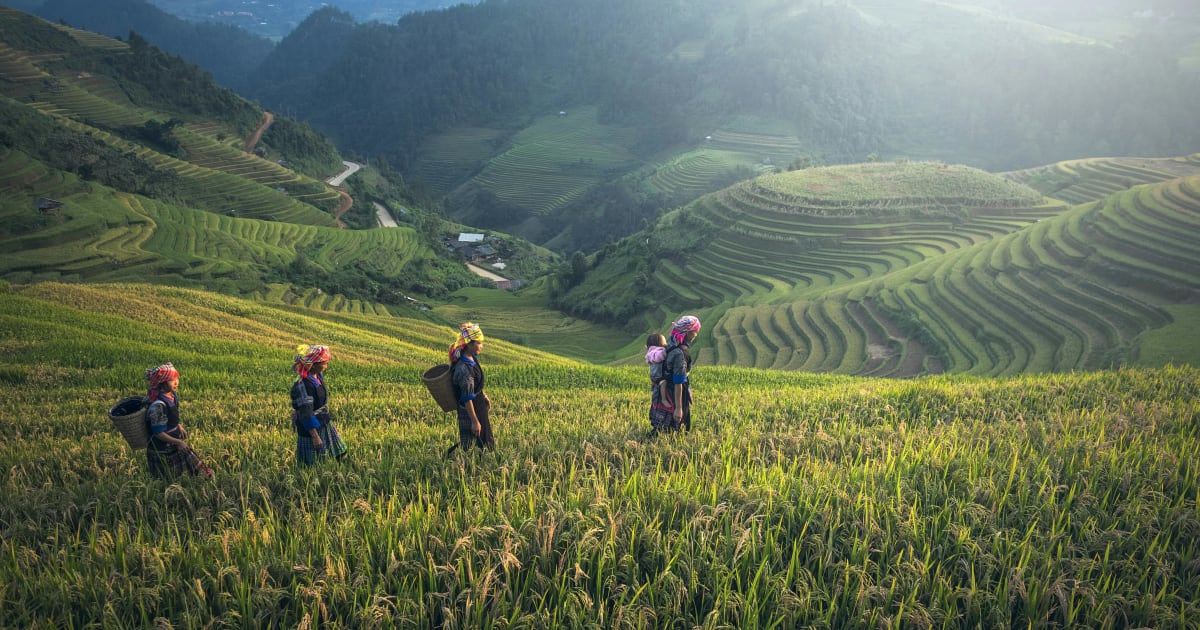
Muong Hoa Valley
📍 lao cai
Muong Hoa Valley - Sa Pa's most spectacular trekking corridor - stretches 15km through terraced rice fields, H'mong and Giáy villages, ancient carved rocks, and the Hoa Stream. Vietnam's largest terrace system changes colour with every season.
🏯 Heritage
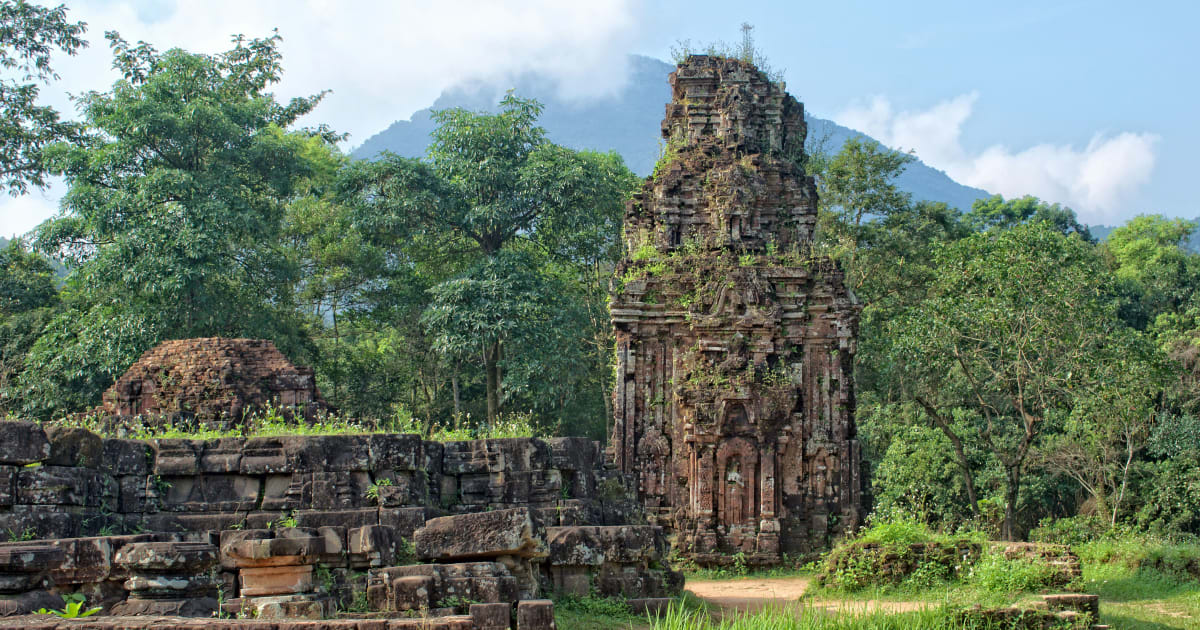
Mỹ Sơn Sanctuary
📍 quang nam
Mỹ Sơn Sanctuary is a UNESCO World Heritage Site in Quảng Nam - a valley of ancient Cham Hindu temples built between the 4th and 14th centuries, set against a backdrop of jungle-covered hills 40km west of Hội An.

⛩️ Temple
Ngoc Son Temple
📍 ha noi
Ngoc Son Temple is a 19th-century Taoist and Buddhist temple on a small island in Hoan Kiem Lake, reached via the iconic red Huc Bridge and housing a preserved specimen of the giant soft-shell turtle central to Hanoi's founding legend.

📍 History
Di tích Nhà Pha
📍 quang ngai
Di tích Nhà Pha is a historical site on Lý Sơn preserving the ruins of a colonial-era detention facility used during the French and American war periods. A minor but historically significant stop for visitors interested in the island's layered past beyond its volcanic geology.

⛩️ Temple
Tháp Nhạn
📍 phu yen
Tháp Nhạn is an 11th–12th century Cham tower perched on Núi Nhạn in the heart of Tuy Hòa city, Phú Yên province. A Special National Relic since 2018, it overlooks the Đà Rằng River and the East Sea - accessible for free, beautifully lit at night, and one of the best-preserved Cham towers on Vietnam's central coast.
📍 Landmark
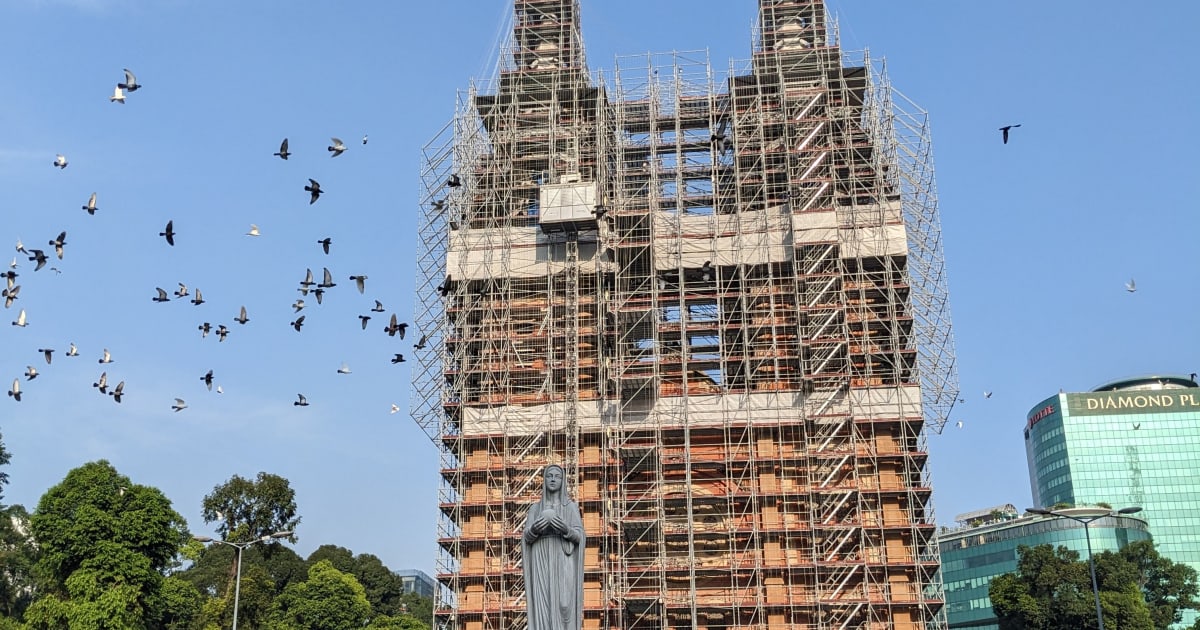
Notre-Dame Cathedral Saigon
📍 ho chi minh city
Notre-Dame Cathedral Saigon is a French colonial basilica built entirely from materials imported from France between 1863 and 1880, standing at the heart of District 1 as one of Ho Chi Minh City's most recognisable landmarks.
📍 Pagoda
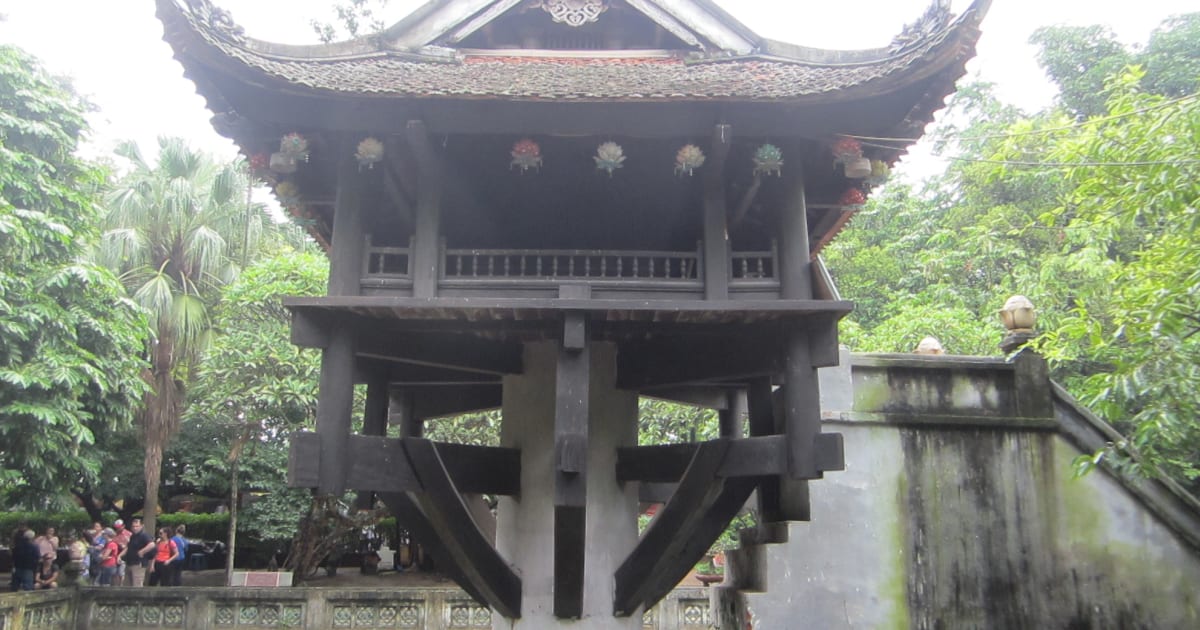
One Pillar Pagoda
📍 ha noi
The One Pillar Pagoda is one of Vietnam's most iconic structures - an 11th-century lotus-shaped Buddhist shrine rising from a square pond in central Hanoi, built by Emperor Lý Thái Tông and regarded as a symbol of the Vietnamese capital.

📍 Landmark
Cầu Ông Cọp
📍 phu yen
Cầu Ông Cọp is Vietnam's longest wooden bridge - an 800-meter hand-built structure of timber and bamboo spanning the Bình Bá river in Phú Yên. Built by locals in 1998 and rebuilt after every flood season, it became famous as a filming location for the 2015 Vietnamese film 'Yellow Flowers on the Green Grass' and is now one of Phú Yên's most photographed landmarks.
📍 History
Pác Bó Historic Site
📍 cao bang
Pác Bó is where Hồ Chí Minh secretly returned to Vietnam from exile on February 8, 1941, establishing his jungle base in a limestone cave beside the Lenin Stream - the birthplace of the Vietnamese revolutionary movement that would eventually defeat both France and the United States.

🌿 Nature
Phong Nặm Valley
📍 cao bang
Phong Nam Valley is Cao Bằng's most beautiful hidden landscape - a wide flat valley of buckwheat fields, Tày stilt houses, and karst peaks that turns pink and white every October when the buckwheat blooms, earning it comparisons to Ha Giang's Đồng Văn Plateau.

🌿 Nature
Phước Hải Fishing Village
📍 ba ria vung tau
Phước Hải is a working fishing village and beach in Bà Rịa-Vũng Tàu - a long sandy beach backed by a genuine fishing community, with a morning market, colorful boat harbor, and seafood restaurants that serve the daily catch at prices far below Vũng Tàu city.

🌿 Nature
Phước Tỉnh Fishing Village
📍 ba ria vung tau
Phước Tỉnh is one of the largest and most active fishing ports in southern Vietnam - a working harbor in Bà Rịa-Vũng Tàu where hundreds of fishing vessels dock daily, and the morning market is one of the most photogenic and genuine seafood scenes near Ho Chi Minh City.
⛩️ Temple
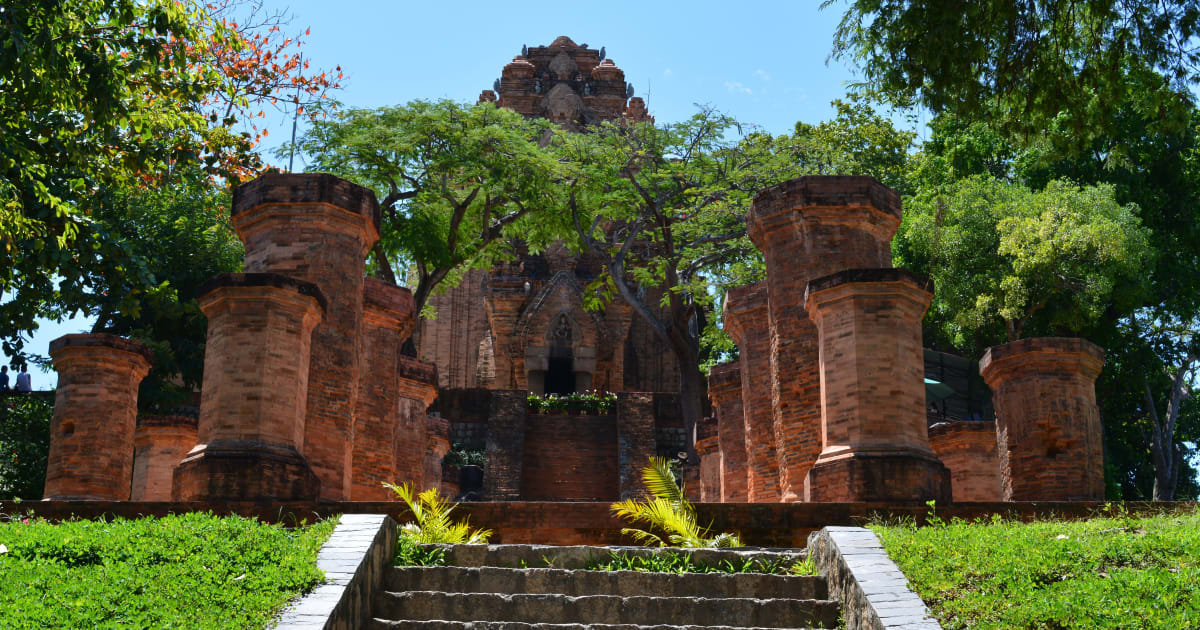
Po Nagar Cham Towers
📍 khanh hoa
Po Nagar Cham Towers are the best-preserved Cham temple complex in southern Vietnam - four brick towers built between the 7th and 12th centuries on a granite hill above the Cái River in Nha Trang, still used as an active place of Hindu and Buddhist worship.

🏔️ Mountain
Quản Bạ Twin Mountains
📍 ha giang
The Quản Bạ Twin Mountains - Núi Đôi, 'Double Mountains' - are two symmetrical limestone peaks rising from the Quản Bạ Valley floor, an icon of the Ha Giang Loop and the subject of a Tày legend about a fairy who left her twin children behind when she was called back to heaven.
🏯 Heritage
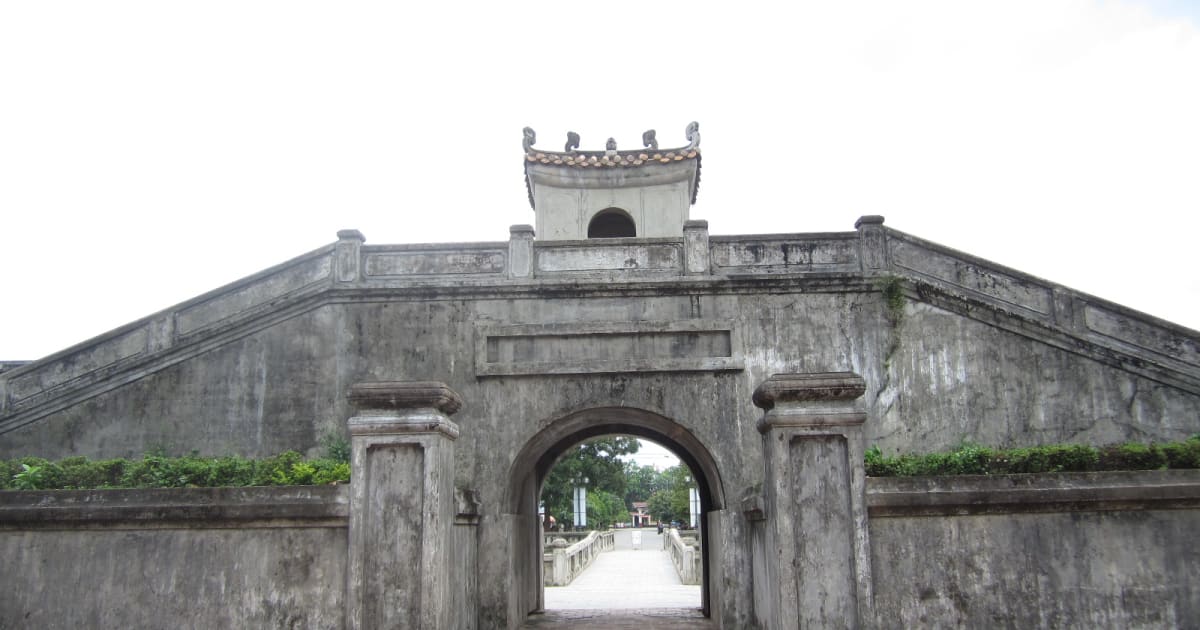
Quảng Trị Ancient Citadel
📍 quang tri
Quảng Trị Ancient Citadel is the most sacred war memorial in Vietnam - the site of the 81-day Battle of 1972 where thousands of North Vietnamese soldiers died defending the citadel against American airstrikes and South Vietnamese counterattacks.
🎎 Cultural
Rạch Vẹm Fishing Village
📍 kien giang
Rạch Vẹm is a quiet fishing village on the northern coast of Phú Quốc - known for Starfish Beach (Bãi Sao Biển), where hundreds of large starfish are visible in the shallow water, and for its mangrove coast and traditional fishing community untouched by the island's resort development.

📍 Landmark
Saigon Central Post Office
📍 ho chi minh city
The Saigon Central Post Office is a functioning French colonial post office designed by Gustave Eiffel's firm and completed in 1891, featuring a stunning barrel-vaulted interior hall, vintage tile maps of Indochina, and a portrait of Ho Chi Minh — one of Ho Chi Minh City's most photographed colonial landmarks.
🏖️ Beach
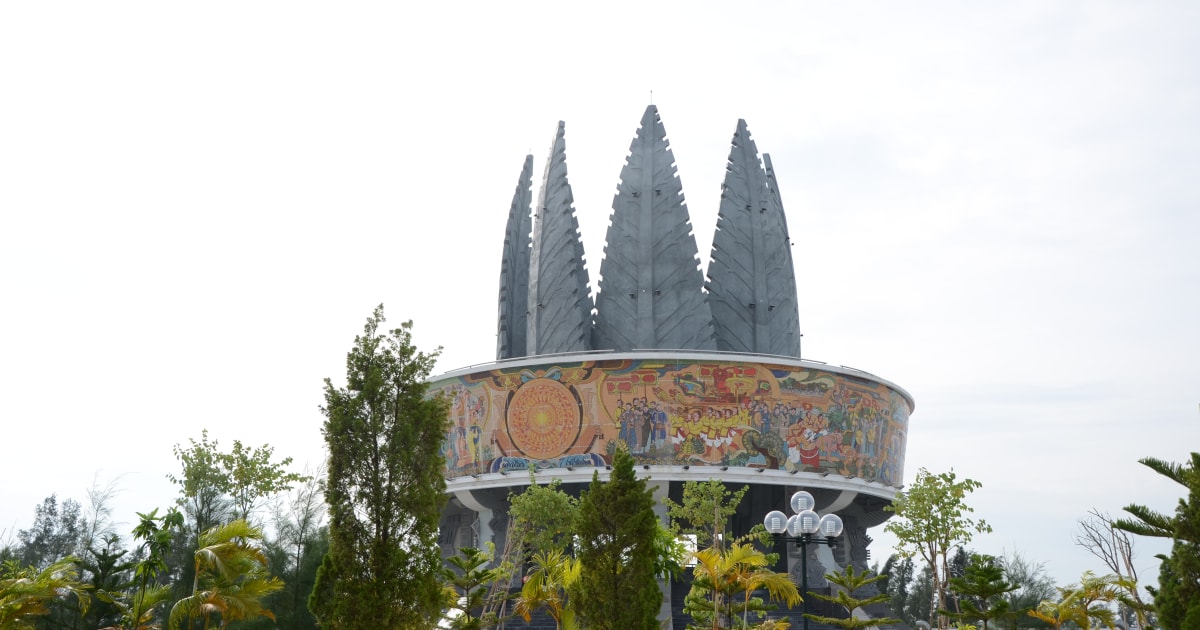
Mũi Sa Vĩ (Trà Cổ)
📍 quang ninh
Mũi Sa Vĩ in Trà Cổ, Móng Cái is the northeastern tip of Vietnam - the first point on the country's S-shaped map and the first place on the mainland to catch the morning sun. Home to border marker 1378 and a 17km crescent beach, it's one of the most emotionally charged destinations in the country for Vietnamese and a fascinating stop for foreign travelers.

✨ Attraction
Ta Hien Street
📍 ha noi
Ta Hien Street is Hanoi's most famous nightlife street in the Old Quarter - a narrow lane packed with bia hơi (fresh draft beer) stalls, street food vendors, and bars where locals and travellers share plastic stools on the pavement every evening.

🌿 Nature
Ta Pa Fields
📍 an giang
Ta Pa Fields are a landscape of traditional floating rice paddies in the Seven Mountains region of An Giang province, submerged each flood season when the Mekong Delta rises. The combination of water-covered fields, distant mountain silhouettes, and Khmer stilt village architecture makes it one of the most distinctive seasonal landscapes in southern Vietnam.
⛩️ Temple
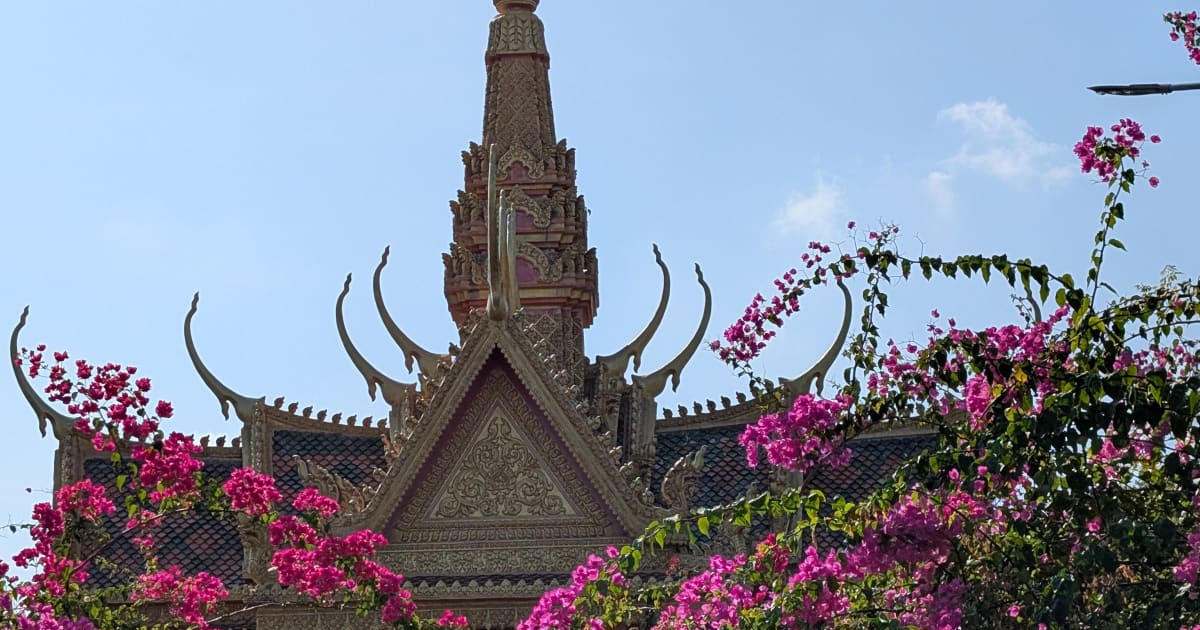
Ta Pa Temple
📍 an giang
Ta Pa Temple is a Khmer Buddhist complex in An Giang's Thất Sơn hills, near Ba Chúc village - a site of deep religious significance and historical weight, associated with the 1978 Khmer Rouge massacres that killed over 3,000 Vietnamese civilians.

🎎 Cultural
Tả Van Village
📍 lao cai
Tả Van Village - home of the Giáy people deep in Muong Hoa Valley - is the best homestay base in Sa Pa. Surrounded by sweeping terraced fields, 10km from Sa Pa town, it offers an authentic overnight experience that most visitors to Cat Cat or Fansipan never reach.

📍 Pagoda
Tây Phương Pagoda
📍 ha noi
Tây Phương Pagoda sits on a low hill 40km west of Hanoi and contains 74 remarkable wooden Buddhist statues from the 18th century - some of the finest examples of traditional Vietnamese sculpture, carved with an expressiveness that sets them apart from anything else in the country.

⛩️ Temple
Temple of Literature
📍 ha noi
The Temple of Literature in Hanoi is Vietnam's best-preserved example of traditional Vietnamese architecture - a Confucian temple complex built in 1070 that served as the country's first university for over 700 years, with five courtyards of pavilions, ponds, and stone steles recording the names of doctoral graduates.
📍 Landmark
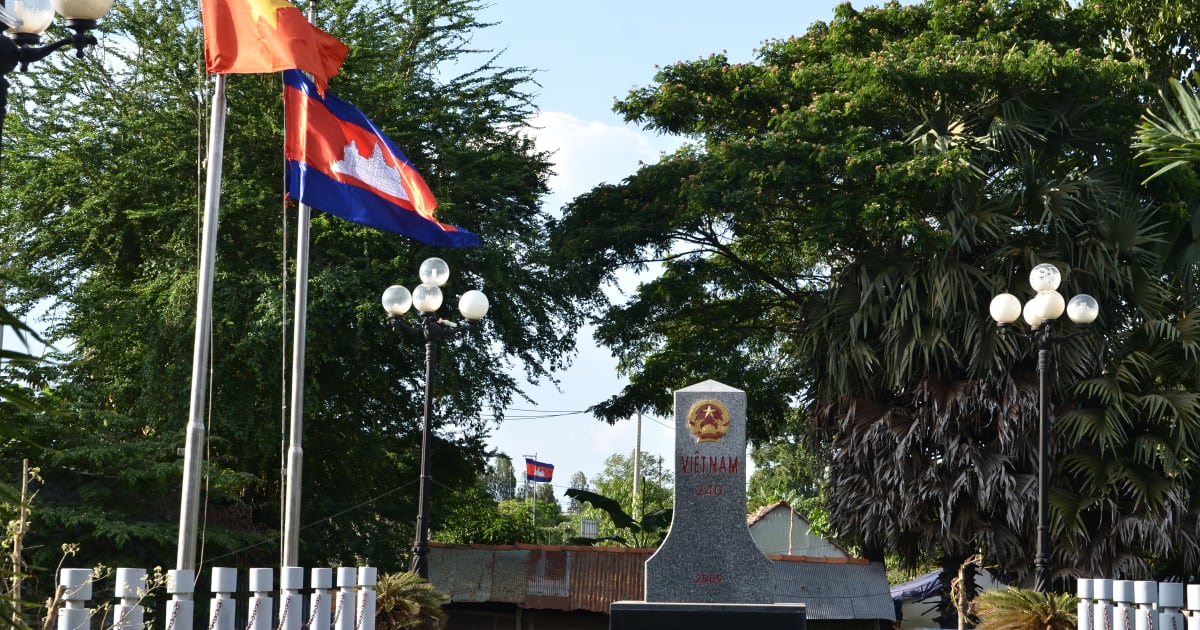
Thường Phước Border Gate
📍 dong thap
Thường Phước Border Gate in Đồng Tháp is one of the Mekong Delta's international river crossings into Cambodia - a working border post on the Mekong where boats, traders, and travelers cross between Vietnam and Kandal Province.

🎎 Cultural
Thiên Mụ Pagoda
📍 hue
Thiên Mụ Pagoda is the oldest and most iconic religious site in Huế - a 21-metre seven-tiered tower on a hill above the Perfume River, founded in 1601, and the unofficial symbol of the city that has witnessed every major chapter of Vietnamese history.
🏘️ Town
Trà Quế Village
📍 quang nam
Trà Quế is a 200-year-old herb farming village 3km from Hội An Ancient Town - a dense patchwork of organic herb plots tended by hand using traditional methods, where visitors can join farmers for a morning, learn to cook Vietnamese dishes, and eat lunch in the fields.

📍 Pagoda
Tran Quoc Pagoda
📍 ha noi
Tran Quoc Pagoda is Hanoi's oldest Buddhist pagoda, dating to the 6th century AD and situated on a small peninsula in West Lake - its 11-tier pink stupa rising above the water is one of the most recognised images in Vietnamese Buddhism.
🌿 Nature
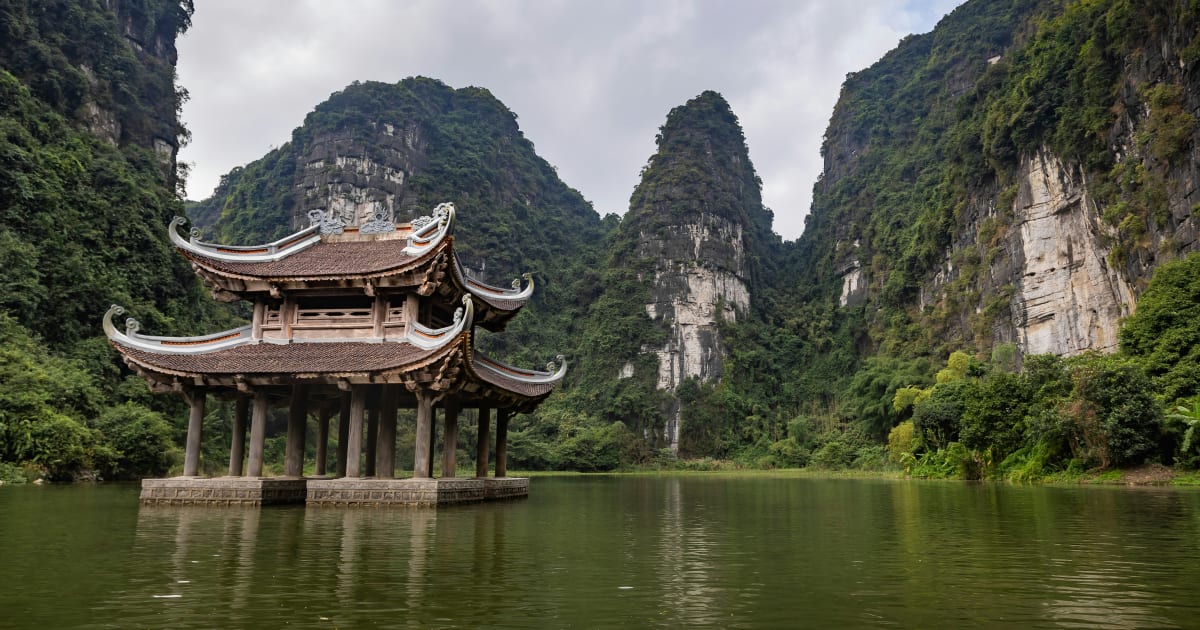
Trang An
📍 ninh binh
Trang An is Vietnam's only UNESCO World Heritage Site recognised for both natural and cultural values - a labyrinth of karst mountains, jade-green rivers, ancient caves, and centuries-old temples navigated entirely by wooden rowboat.

📍 History
Truong Son National Cemetery
📍 quang tri
Truong Son National Cemetery is the largest war cemetery in Vietnam, containing the graves of over 10,000 soldiers who died on the Ho Chi Minh Trail during the American War. Set on a hillside in Quang Tri province near the former DMZ, it is one of the most affecting war memorials in Southeast Asia.
📍 Tomb
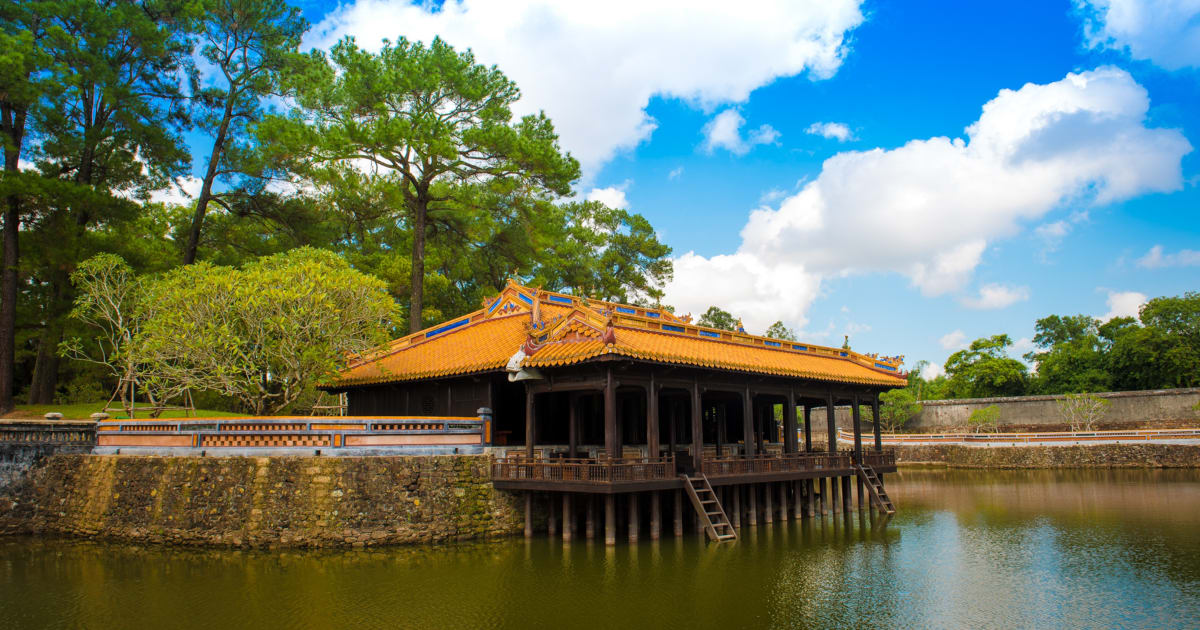
Tự Đức Tomb
📍 hue
Tự Đức Tomb is the most garden-like of Huế's royal mausoleums - a romantic complex of pine forests, lotus ponds, and wooden pavilions built by Vietnam's most literary emperor, who spent years here composing poetry before his death in 1883.
🎎 Cultural
Việt Hải Village
📍 hai phong
Việt Hải is a completely isolated fishing and farming village inside Cát Bà National Park - reachable only by kayak through Lan Hà Bay or by cycling a jungle path through the national park, home to about 50 families who live without road access to the outside world.
🌿 Nature
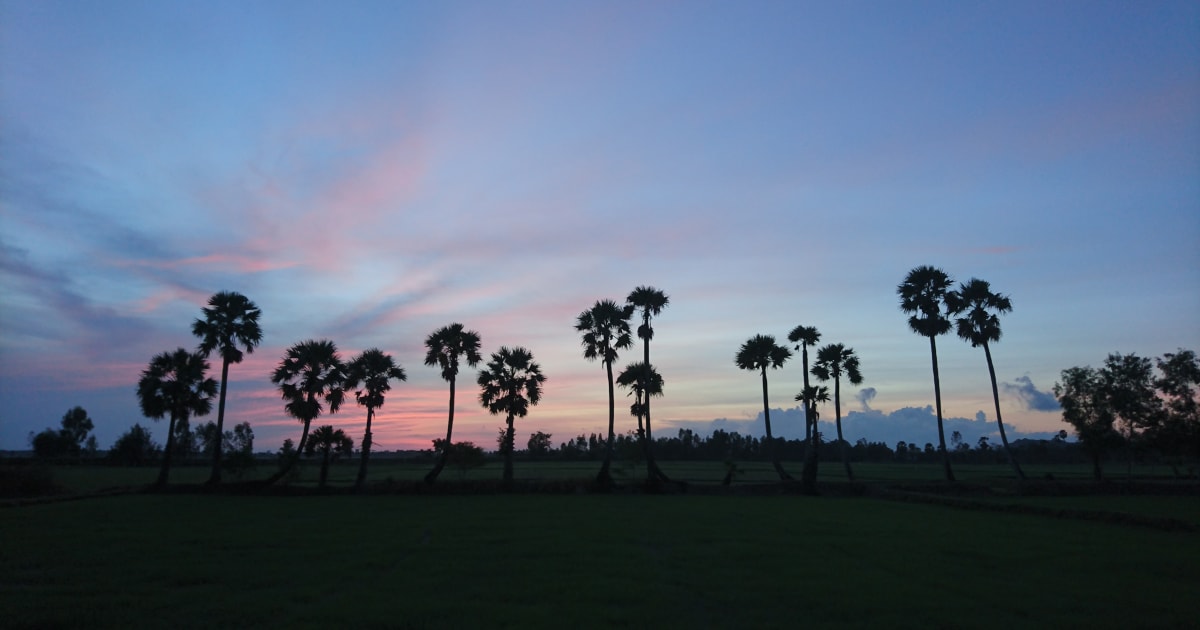
Vĩnh Trung Fields
📍 an giang
Vĩnh Trung Fields in Tịnh Biên district stretch across the flatlands beneath the Thất Sơn mountain range - a pastoral landscape of rice paddies, Khmer pagodas, and water buffalo with the dramatic profile of Núi Cấm rising from the plain.

📍 History
War Remnants Museum
📍 ho chi minh city
The War Remnants Museum in Ho Chi Minh City is Vietnam's most visited war museum, documenting the human cost of the Vietnam War through photographs, military hardware, and exhibits on the effects of Agent Orange — a sober and essential stop for understanding the country's modern history.
📍 Lake
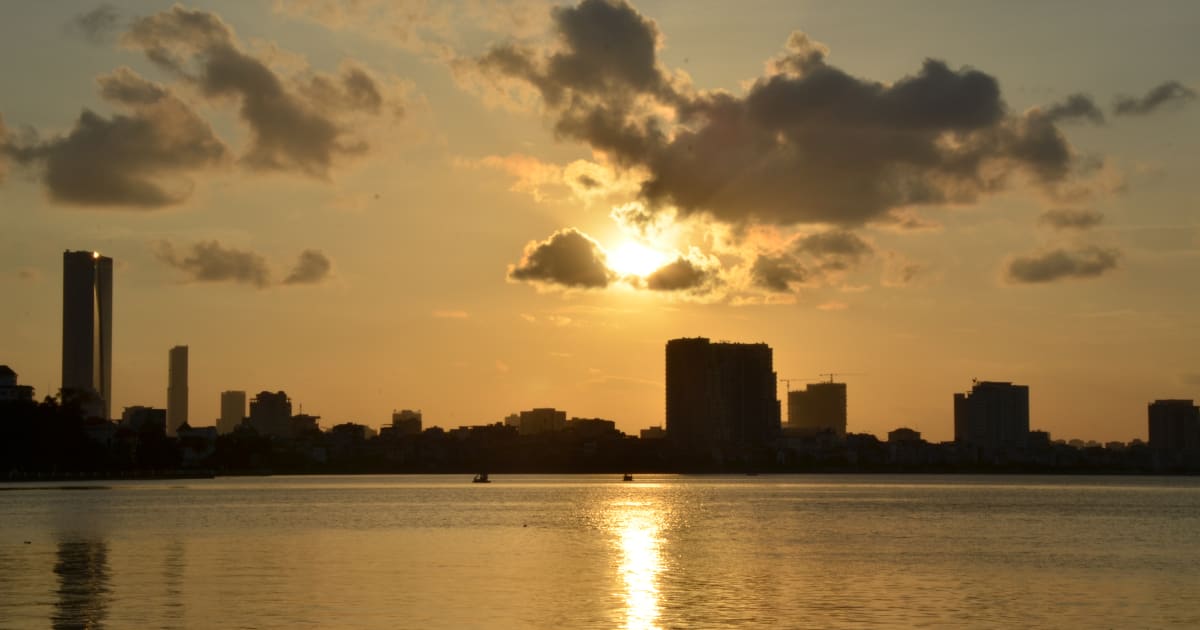
West Lake
📍 ha noi
West Lake is Hanoi's largest lake - a 500-hectare expanse in the Tây Hồ district ringed by upscale cafes, ancient pagodas, seafood restaurants, and a 17km cycling path that offers the most pleasant outdoor escape within the city limits.

🏔️ Mountain
Yên Tử Mountain
📍 quang ninh
Yên Tử Mountain is Vietnam's most sacred Buddhist peak - a 1,068m forested summit in Quảng Ninh where King Trần Nhân Tông abdicated to become a monk in the 13th century, founding the Vietnamese Trúc Lâm Zen school.
Browse other experiences
Beaches41 placesTrekking76 placesCamping31 placesCaving11 placesSnorkeling18 placesKayaking20 placesFood21 placesHistory69 placesPhotography214 placesMarkets4 placesNightlife7 placesWalking Tours83 placesCycling33 placesBoat Tours40 placesCable Cars6 placesHomestays10 placesWildlife37 placesMotorcycling30 placesShopping2 places