Overview
Things to Know
What Makes Keo Pagoda Special
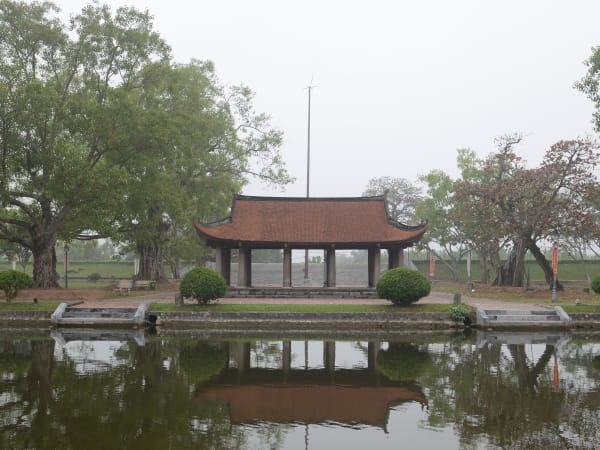
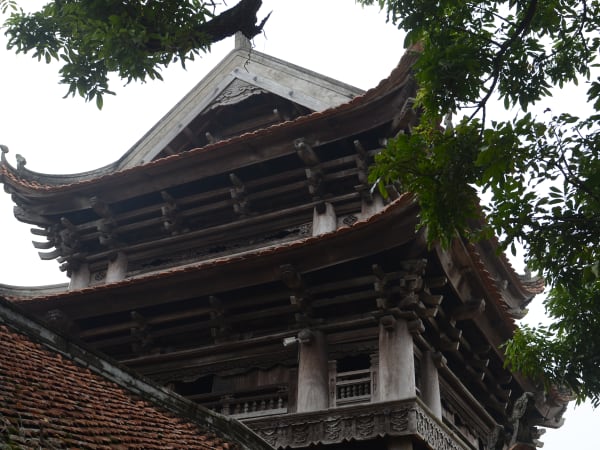
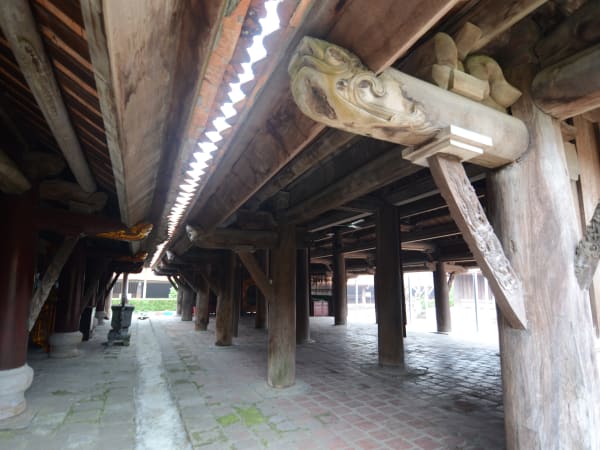
Keo Pagoda (Chùa Keo) in Thái Bình province is among the finest surviving examples of traditional Vietnamese wooden architecture, and one of the few major pagodas in northern Vietnam that has not been significantly rebuilt or restored. The complex was constructed in 1630 on the site of an earlier 11th-century pagoda and has remained largely intact - the three-story wooden bell tower in particular is considered a masterwork of Lê dynasty craftsmanship, rising 11 meters with interlocking timber joints assembled without nails. The pagoda is dedicated to the monk Dương Không Lộ, a revered healer and miracle-worker from the Lý dynasty, and remains an active place of pilgrimage. It was designated a Special National Relic by the Vietnamese government.
Gallery




How to Get There
🚗 Getting There
Keo Pagoda is located in Vũ Thư district, approximately 10km from Thái Bình city. Thái Bình itself is around 110km southeast of Hanoi - about 2.5 hours by car via the Cầu Giẽ–Ninh Bình Expressway and Highway 10. From Thái Bình city, the pagoda is easily reached by motorbike taxi (xe ôm) or by renting a bicycle. There is no direct bus from Hanoi to the pagoda; the practical approach is to travel to Thái Bình city first and arrange onward transport locally.
What to Expect
👀 On the Ground
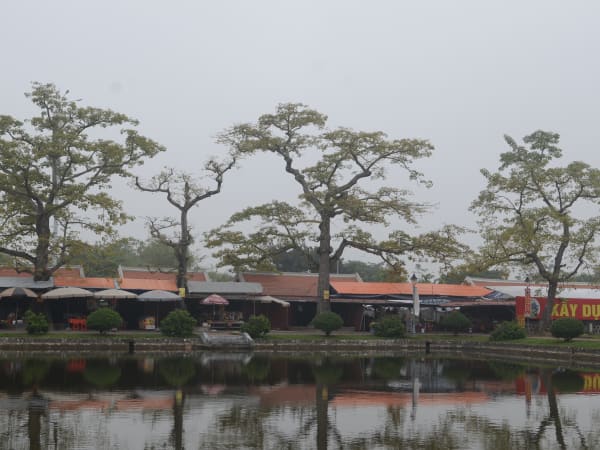
Keo Pagoda is a large, multi-courtyard complex set on flat delta land surrounded by water and rice fields. The approach through a series of gates, ponds, and bridges is deliberately staged - the full compound contains over 100 rooms across multiple structures. The bell tower is the visual anchor and the most photographed element. The interior worship halls contain significant lacquerwork, statuary, and ceremonial objects. Unlike reconstructed heritage sites, Keo retains the patina and material authenticity of a building that has genuinely been in continuous use for centuries.
Travel Tips
🧳 Tips
Keo Pagoda is undervisited by foreign travelers relative to its architectural and historical significance - it belongs in the same conversation as the Perfume Pagoda or Bút Tháp Pagoda but gets a fraction of the attention. The flat, rural Thái Bình landscape is very different from the karst scenery that dominates northern Vietnam tourism, but has its own low-key appeal. If mày is interested in Vietnamese religious architecture and wants to see something genuinely old without the tour group overlay, this is one of the best options in the north.
Insider Tips
Based on real traveler experiences and commonly mentioned advice from multiple visitors.
FAQ
Common questions from travelers who've visited this place.
When is the best time to visit Keo Pagoda?›
What architectural features should I look for?›
What is the setting like around the pagoda?›
Nearby Locations
Explore more things to do like this around Vietnam