Overview
Things to Know
What Makes Tự Đức Tomb Special
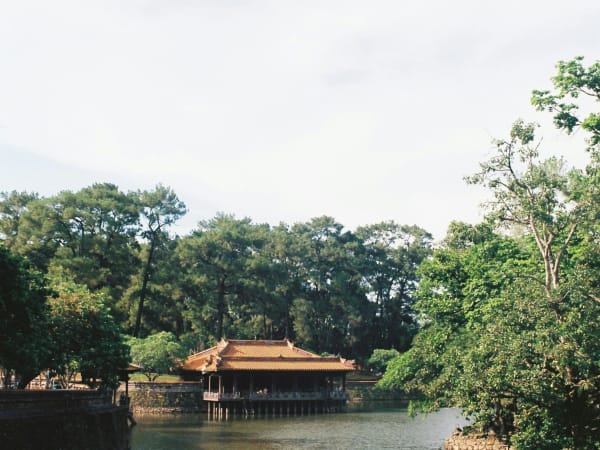
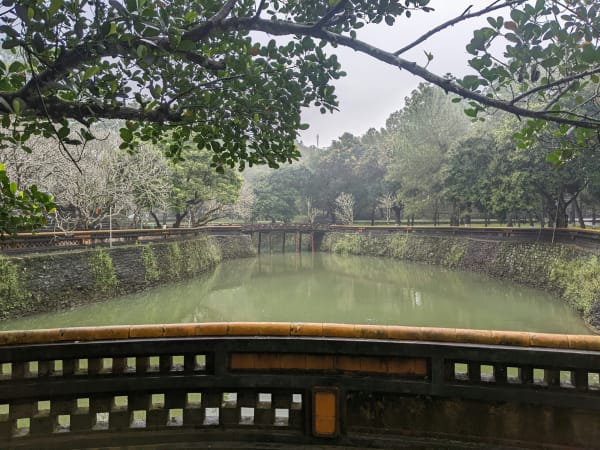
Tự Đức Tomb was built between 1864 and 1867 by Emperor Tự Đức, the fourth Nguyễn emperor, who used the complex as a retreat during his lifetime - spending years here fishing, composing poetry, and hosting scholars - before it became his mausoleum. The complex covers 12 hectares in a pine forest valley 7km southwest of Huế, centred on Lưu Khiêm Lake and the Xung Khiêm Pavilion that juts over the water on a wooden platform. Unlike the formal ceremonial symmetry of Minh Mạng, Tự Đức's complex is deliberately garden-like and asymmetric - designed for living in as well as for dying in. Tự Đức was the most literary of the Nguyễn emperors, writing over 4,000 poems during his reign, and the tomb reflects his temperament: contemplative, romantic, and invested in the pleasures of natural landscape. He is also one of the most historically significant emperors - it was during his reign that France consolidated control over Vietnam, and the treaties he signed have been debated ever since.
Gallery


How to Get There
🚗 Getting There
Tự Đức Tomb is 7km southwest of Huế city, accessible by motorbike (20 minutes), bicycle (45 minutes on flat riverside roads), or taxi. The road from Huế passes through Hương Thọ village and is pleasant by bicycle. Most visitors combine Tự Đức with Minh Mạng and Khải Định in a single royal tombs circuit by motorbike.
What to Expect
👀 On the Ground
The main entrance leads through a courtyard and ceremonial gate to the lake area - the Lưu Khiêm Lake with the Xung Khiêm Pavilion immediately establishing the garden character of the complex. A path leads around the lake to the worship halls, the stele pavilion (containing the longest royal stele in Vietnam, composed by Tự Đức himself), and the tomb enclosure. The pine trees throughout the complex are old and tall - the shade they provide and the sound of wind through them are part of the atmosphere. The burial mound enclosure is at the rear, surrounded by a circular wall, and contains no certain remains.
Travel Tips
🧳 Tips
Tự Đức is the most atmospheric of the Huế tombs - the garden setting, the pine forest, and the pavilion over the lake give it a quality of lived-in melancholy that the more formal Minh Mạng and the more dramatic Khải Định don't have. It's the tomb that most rewards sitting down and staying a while rather than moving quickly through. The combination of all three major tombs in a single day is entirely feasible by motorbike and gives the full picture of Nguyễn royal funerary architecture across three very different aesthetic approaches.
Insider Tips
Based on real traveler experiences and commonly mentioned advice from multiple visitors.
FAQ
Common questions from travelers who've visited this place.
Where is Emperor Tu Duc actually buried?›
How long should I spend here?›
Is there transportation around the site or information available?›
Nearby Locations
Explore more things to do like this around Vietnam