Overview
Things to Know
What Makes Bình Liêu Border Mountains Special
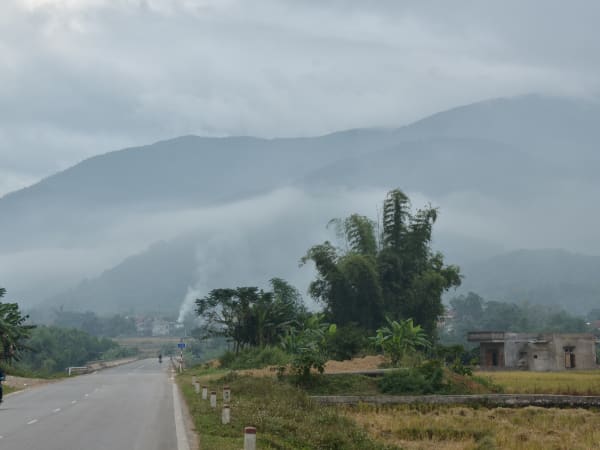
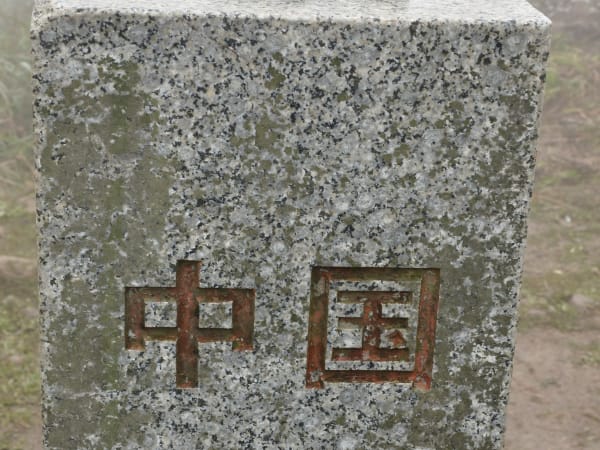
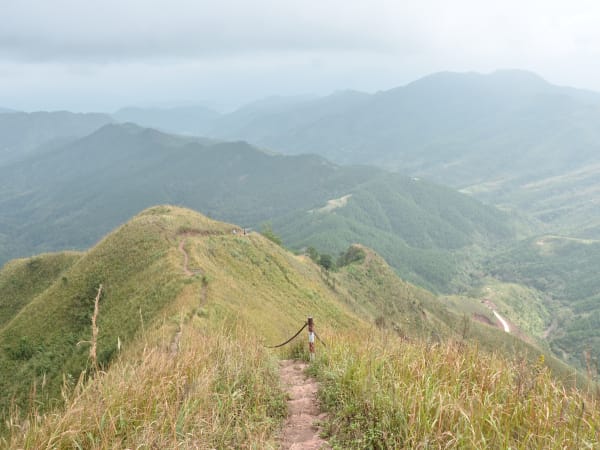
Bình Liêu is a highland border district in the far northeast of Quảng Ninh province, sharing a frontier with China's Guangxi region. While most visitors to Quảng Ninh go directly to Hạ Long Bay, Bình Liêu represents the province's other face: a mountainous interior of terraced paddies, dense forest, and villages belonging to Dao, Tày, Sán Chỉ, and Hoa ethnic minority communities who have lived along this border for centuries. The district is known in Vietnam primarily for two things: the autumn reed flower season, when the hillsides above the valley floors turn white with flowering grass, and the border ridge trekking routes that follow the frontier toward the Cao Ba Lanh and Cao Xiêm peaks. Both attract Vietnamese nature photographers and trekkers, but the area remains almost entirely absent from international tourism.
Gallery




How to Get There
🚗 Getting There
Bình Liêu town is approximately 230km from Hanoi and 120km from Hạ Long city. The main road approach is via Tiên Yên district on Route 18C, which runs northeast through forested mountain terrain. From Hạ Long, the drive takes about 2.5 hours by car or motorbike. From Hanoi, the most practical route goes via Uông Bí or Hạ Long before turning northeast toward Tiên Yên and Bình Liêu. There is bus service from Hạ Long and from Móng Cái. The district is also within reach of Móng Cái (the China border crossing town), making it a possible stop on a northeast circuit.
What to Expect
👀 On the Ground
Bình Liêu town is a small, functional district capital with markets, guesthouses, and local restaurants. The surrounding landscape is the attraction: a bowl of green mountains with the border ridge visible to the north. The Tiên Mô stream valley, the terraced fields around Húc Động and Đồng Văn communes, and the ridge trails above town offer days of exploration. The ethnic minority communities are the cultural anchor - the Dao women's traditional dress, the Sunday market exchanges, and the village homestay options give access to a way of life that has not changed fundamentally despite the proximity to the Chinese border.
Travel Tips
🧳 Tips
Bình Liêu is best visited over two to three days to cover both the valley landscape and at least one ridge trail. A motorbike is the ideal way to explore the commune roads that fan out from the district town. The reed flower season in October-November is the most famous time, but the golden rice terraces of September and the cool clear air of December-January are equally rewarding in different ways. The border area itself requires no special permit for Vietnamese citizens, but foreign visitors should check current regulations regarding access to the frontier zone before heading to the ridge.
Insider Tips
Based on real traveler experiences and commonly mentioned advice from multiple visitors.
FAQ
Common questions from travelers who've visited this place.
How long does it take to reach the marker?›
Do I need permits to visit the border marker?›
What facilities exist at the base?›
Nearby Locations
Explore more things to do like this around Vietnam