Overview
Things to Know
What Makes Truong Son National Cemetery Special
Truong Son National Cemetery occupies a hillside in Gio Linh district of Quang Tri province, 7km from the coast and close to the former Demilitarized Zone that divided North and South Vietnam along the 17th parallel. The cemetery contains the graves of 10,263 soldiers - all Vietnamese People's Army and volunteer youth who died on the Ho Chi Minh Trail logistics network that ran through the Truong Son mountain range during the American War between 1959 and 1975. The graves are arranged in sections by home province, allowing families to locate their relatives within the national site. Each white grave marker carries the soldier's name, date of birth, date of death, and home district - a level of individual record that reflects the sustained effort to identify the dead along a trail where many casualties occurred in remote forest far from medical facilities. The cemetery was established in 1977, two years after the war ended, and expanded repeatedly as remains were identified and relocated from along the trail route.
Gallery



How to Get There
🚗 Getting There
Truong Son National Cemetery is 83km north of Hue and 38km north of Dong Ha city. Most visitors reach it as part of an organised DMZ day tour from Hue, which typically combines the cemetery with Vinh Moc Tunnels, the Hien Luong Bridge at the former border, and the Khe Sanh Combat Base. By motorbike from Dong Ha, the cemetery is approximately 45 minutes via Highway 9 west then north on Route 15. The site is well signposted from the main roads. There is a car park at the entrance.
What to Expect
👀 On the Ground
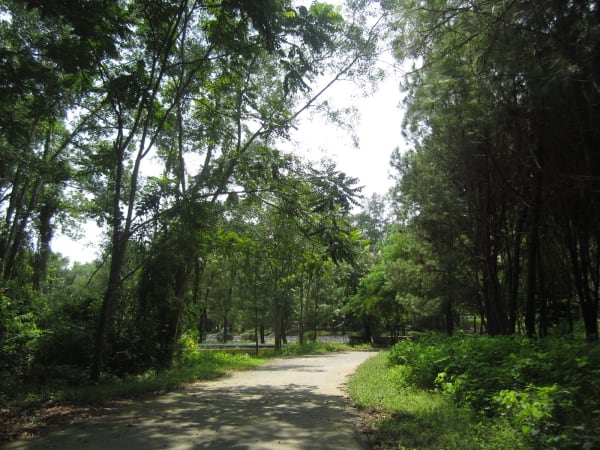
The entrance gate opens onto a wide central avenue lined with pine trees leading to the main monument - a stone stele with an eternal flame and a sculptural group representing the soldier, the volunteer youth worker, and the civilian. Behind the monument, the hillside is covered in rows of white grave markers extending across multiple sections separated by low hedges. The graves are grouped by home province - sections are labelled for Hanoi, Nam Dinh, Nghe An, and other northern provinces that contributed heavily to the trail workforce. Walking the rows is a slow and particular experience - the dates of death cluster in years of heavy American bombing campaigns, and the home provinces on the markers trace the geography of wartime mobilisation. The site is maintained in good condition with grass mown and paths clear.
Travel Tips
🧳 Tips
Quang Tri province holds more war memorials and historical sites per square kilometre than anywhere else in Vietnam - the province was the most intensively bombed area in the country and the site of some of the war's most destructive ground campaigns. Truong Son Cemetery is the largest and most formally significant of these sites, but the broader DMZ landscape repays a full day of exploration. The nearby Vinh Moc Tunnels - where an entire village lived underground for years to survive the bombing - provides a civilian counterpoint to the military focus of the cemetery. For travellers with a serious interest in the war's history, staying a night in Dong Ha rather than doing the DMZ as a day trip from Hue allows for a less rushed engagement with the sites.
Insider Tips
Based on real traveler experiences and commonly mentioned advice from multiple visitors.
FAQ
Common questions from travelers who've visited this place.
How many soldiers are buried here?›
How long does it take to visit?›
When is the best time to visit?›
Nearby Locations
Explore more things to do like this around Vietnam