Overview
What Makes Tran Quoc Pagoda Special
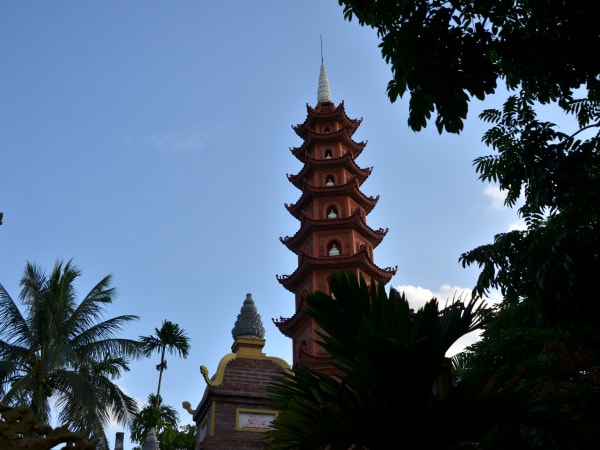
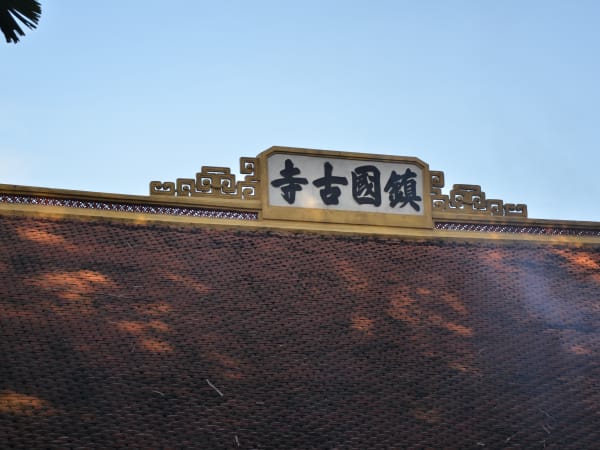
Tran Quoc Pagoda claims the distinction of being the oldest Buddhist pagoda in Hanoi, with origins traced to the 6th century AD during the reign of Emperor Lý Nam Đế, making it approximately 1,500 years old in its founding if not its current physical form. The pagoda was originally located on the banks of the Red River and was relocated to its current site on a small peninsula jutting into West Lake (Hồ Tây) in the 17th century when riverbank erosion threatened its foundations. The defining visual element is the 11-tier pink sandstone stupa erected in 1998 and rising 15 metres above the lake surface, visible from considerable distance across the water. The surrounding pagoda complex contains ancient steles, a bodhi tree descended from the original at Bodh Gaya, and active monks' quarters, making it a functioning monastic community as well as a historical site.
Gallery





How to Get There
🚗 Getting There
Tran Quoc Pagoda is located on the eastern shore of West Lake in the Tây Hồ district, approximately 5km north of Hoan Kiem Lake. From the Old Quarter, take Grab or taxi north along Thanh Niên street - the road that runs between West Lake and Truc Bach Lake - and the pagoda entrance is on the right. Journey time from the Old Quarter is 15-20 minutes by vehicle. The pagoda can also be reached by bicycle from the Old Quarter in around 25-30 minutes via Thanh Niên street.
What to Expect
👀 On the Ground
The visit covers the main pagoda halls containing Buddha statues and altars, the stupa garden with the 11-tier tower and the bodhi tree, and the outer path around the peninsula with water views on multiple sides. The complex is compact and the full visit takes 30-45 minutes. Vietnamese Buddhist pilgrims visit regularly and incense burns continuously at the main altars. The stupa and its reflection in the lake water are the primary photographic subject - the best reflection conditions are in calm morning or evening light. The surrounding West Lake setting, with its wide water surface and distant city skyline, gives the pagoda a more spacious character than most urban temple sites.
Travel Tips
🧳 Tips
Tran Quoc Pagoda works well as part of a West Lake half-day that also takes in the lake perimeter cycling route and the Quan Thanh Temple nearby. The combination of the pagoda's antiquity, its West Lake setting, and the genuine monastic activity make it one of the more substantive temple visits available in Hanoi - more atmospherically authentic than the more touristed sites in the Old Quarter. Sunset timing is particularly effective for photography as the stupa catches the last light over the lake.
Insider Tips
Based on real traveler experiences and commonly mentioned advice from multiple visitors.
Nearby Locations
Explore more things to do like this around Vietnam