Overview
Things to Know
What Makes Tây Phương Pagoda Special
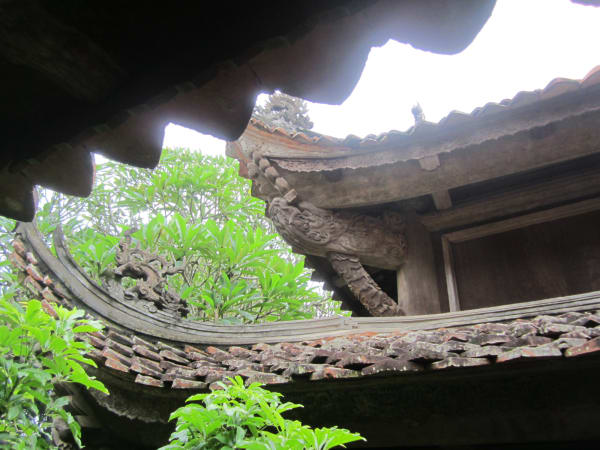
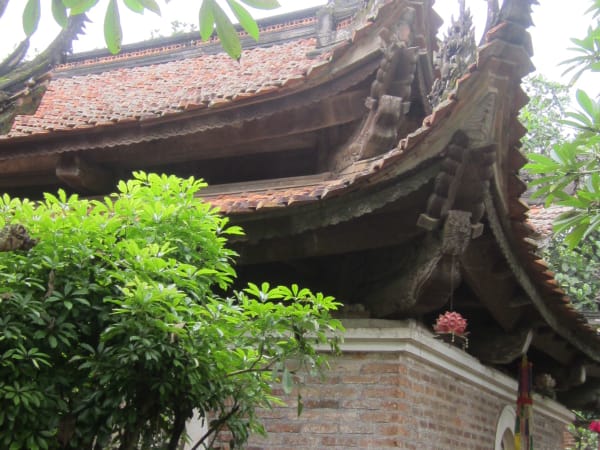
Tây Phương Pagoda (Chùa Tây Phương) dates to the 8th century in its original form and was substantially rebuilt during the Tây Sơn period in the late 18th century into the three-tiered hilltop complex that stands today. The architecture alone justifies the visit - the overlapping curved rooflines covered in terracotta tiles, the carved wooden beams, and the integration of the buildings into the rocky hilltop are all exceptional. But the pagoda's defining treasures are its 74 wooden Buddhist statues, carved in the 18th century with an expressiveness and individuality rarely seen in Vietnamese religious art. The 18 Arhat figures in particular - each one distinct in posture, expression, and symbolic meaning - have been described by Vietnamese art historians as the country's greatest achievement in traditional sculpture.
Gallery





How to Get There
🚗 Getting There
Tây Phương Pagoda is approximately 40km west of central Hanoi, in Thạch Thất district. By motorbike, the journey takes about 1.5 hours via National Highway 6 toward Hòa Bình, turning off at Thạch Xá. Car hire from Hanoi is straightforward for a day trip. There is no direct public bus to the pagoda; buses to Thạch Thất town run from Hanoi's Mỹ Đình bus station, with motorbike taxi for the final few kilometers.
What to Expect
👀 On the Ground
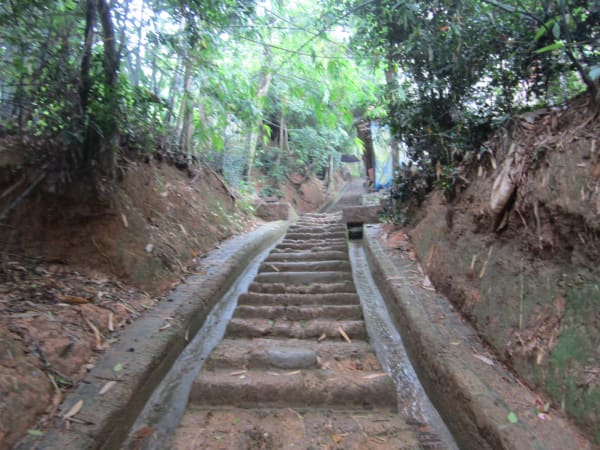
The approach to the pagoda involves climbing 239 stone steps through a canopy of old trees - the ascent is part of the ritual and the transition from the flat paddy landscape below to the hilltop complex above is well-composed. The main buildings are arranged on three levels corresponding to the hill's natural terracing. Inside the dim interior halls, the wooden statues line the walls and occupy alcoves - the scale of the figures, the quality of the lacquer and gilding, and the detail of the carving are all striking. The site is an active pagoda and the resident monks maintain it carefully.
Travel Tips
🧳 Tips
Tây Phương is 40km from Hanoi but feels genuinely removed from the city - the paddy fields, water buffalo, and quiet villages on the approach set a different pace. The combination of Tây Phương and Thầy Pagoda is the best single-day cultural excursion from Hanoi that most guidebooks underrate. Thầy Pagoda is on a lake with water puppet performances and cave trails; Tây Phương has the sculptures. Together they cover more ground than a morning at the Temple of Literature. If mày has limited time in Hanoi and has already done the standard sites, this day trip is the right next move.
Insider Tips
Based on real traveler experiences and commonly mentioned advice from multiple visitors.
FAQ
Common questions from travelers who've visited this place.
How much does it cost to visit?›
How difficult is the climb to the temple?›
Is the pagoda crowded with tourists?›
Nearby Locations
Explore more things to do like this around Vietnam