Overview
What Makes Mũi Sa Vĩ (Trà Cổ) Special
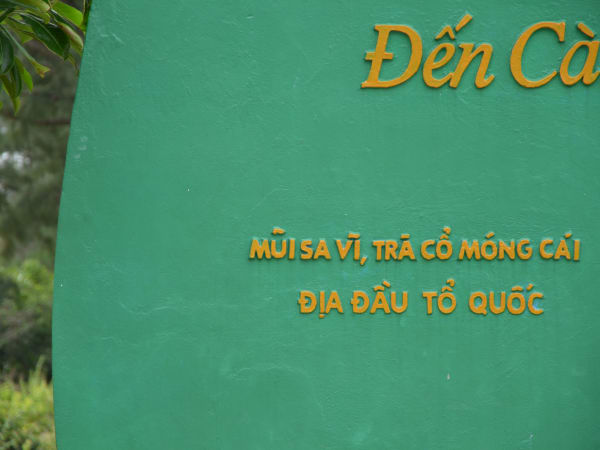
Mũi Sa Vĩ is the northeastern tip of Vietnam - the point where the country's coastline begins, the first mark on the S-shaped map, and the place that catches the mainland's first sunlight each morning. Located in Trà Cổ ward, Móng Cái city, Quảng Ninh province, the cape sits at coordinates 21°29'N, 108°04'E, where the Bắc Luân River meets the Gulf of Tonkin. This is also where Vietnam's land border with China ends - border marker 1378, the final post in a chain of over 1,400 markers stretching the full length of the Sino-Vietnamese frontier, sits on a small island just offshore. A relief sculpture of three phi lao pines carries the poet Tố Hữu's famous lines: 'Từ Trà Cổ rừng dương đến Cà Mau rừng đước' - 'From Trà Cổ's casuarina forest to Cà Mau's mangroves' - a verse that compresses the entire length of Vietnam into a single image. For many Vietnamese travellers, touching this marker is a pilgrimage.
Gallery



How to Get There
🚗 Getting There
Móng Cái is approximately 340km from Hanoi, reachable by sleeper bus (7–8 hours, ~250,000–300,000 VND) or by flying to Vân Đồn Airport and continuing by taxi or bus (about 1.5 hours). From Móng Cái city centre, Mũi Sa Vĩ is about 10km east - take a taxi, grab motorbike, or rent a motorbike for the short run. Trà Cổ Beach and Đình Trà Cổ are along the same road. Móng Cái is a popular overnight border-trade destination with plenty of hotels at all price points.
What to Expect
👀 On the Ground
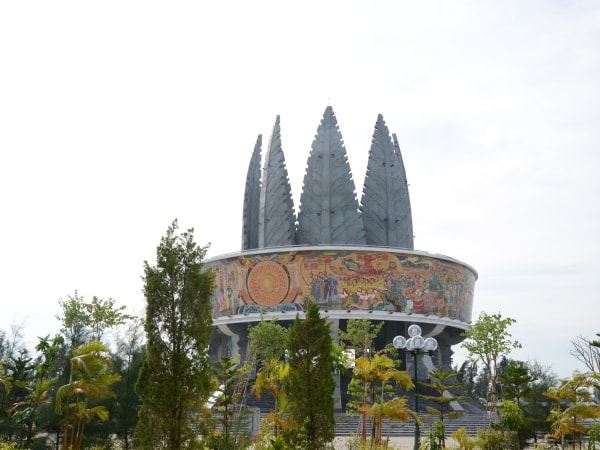
The entrance gate leads to a small landscaped area with the Km 0 coordinate marker, the three-pine relief sculpture, and a viewing terrace over the beach and estuary. Offshore, the white-and-coloured post of border marker 1378 is visible on clear days. The cape itself is low-lying - there's no dramatic cliff - but the symbolic weight of standing at the first point of Vietnam's coastline is palpable, especially at sunrise when the light comes in across a flat sea. Trà Cổ Beach, curving away to the south, is one of the longer sandy beaches in northern Vietnam and relatively calm and shallow, popular with Vietnamese families in summer.
Travel Tips
🧳 Tips
Mũi Sa Vĩ pairs naturally with the rest of the Móng Cái experience: the border town has a lively Chinese-goods market, fresh seafood restaurants, and a distinct cross-border energy unlike anywhere else in Vietnam. Combine it with nearby Vĩnh Thực Island (home to a historic French-era lighthouse) for a fuller Quảng Ninh borderland trip. If you're doing a full northeast Vietnam loop, Mũi Sa Vĩ makes a logical starting or ending point before continuing south along the coast toward Hạ Long Bay.
Insider Tips
Based on real traveler experiences and commonly mentioned advice from multiple visitors.
FAQ
Common questions from travelers who've visited this place.
What is special about this location?›
How much time should I spend here?›
What attractions are nearby?›
Nearby Locations
Explore more things to do like this around Vietnam