Overview
What Makes Hanoi Old Quarter Special
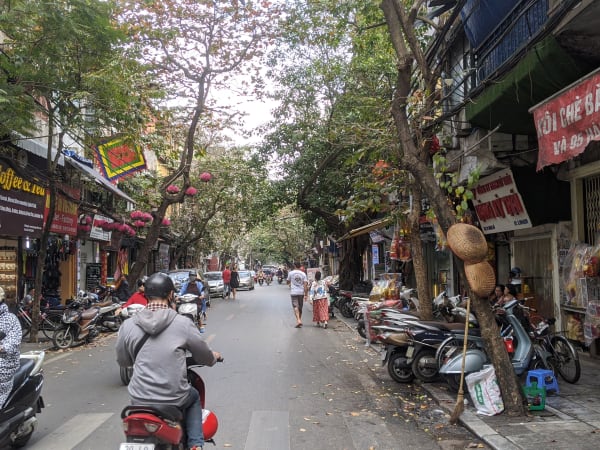
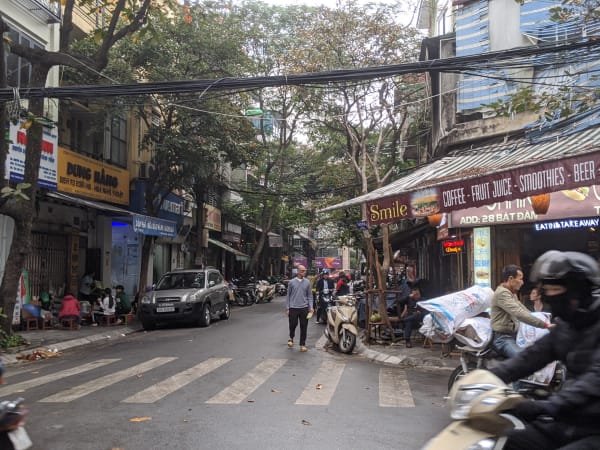
Hanoi's Old Quarter - the 36 streets (Phố Cổ) - occupies approximately one square kilometre north of Hoan Kiem Lake and represents one of the best-preserved medieval merchant districts in Southeast Asia. The district's structure dates to the Lý dynasty in the 13th century, when guilds of craftsmen and traders from surrounding villages established streets organised around specific trades: silver smiths on Hàng Bạc, silk merchants on Hàng Gai, paper sellers on Hàng Giấy. The street names, most beginning with 'Hàng' (goods/merchandise), preserve this guild geography even as the trades themselves have largely given way to tourism commerce, clothing manufacture, and general retail. The physical fabric - narrow lanes, ancient tube houses extending deep behind thin street frontages, layered Chinese, French colonial, and Vietnamese architectural influences - remains largely intact despite significant pressure from development and tourism.
Gallery




How to Get There
🚗 Getting There
The Old Quarter is the central district of Hanoi, immediately north of Hoan Kiem Lake. The lake itself is the most reliable orientation point - the Old Quarter begins at its northern shore. Most budget and mid-range accommodation in Hanoi is located within the Old Quarter, making it the default base for first-time visitors. Walking is the primary mode of navigation within the quarter - motorbikes are technically discouraged on the narrower lanes and prohibited during the weekend pedestrian zone.
What to Expect
👀 On the Ground
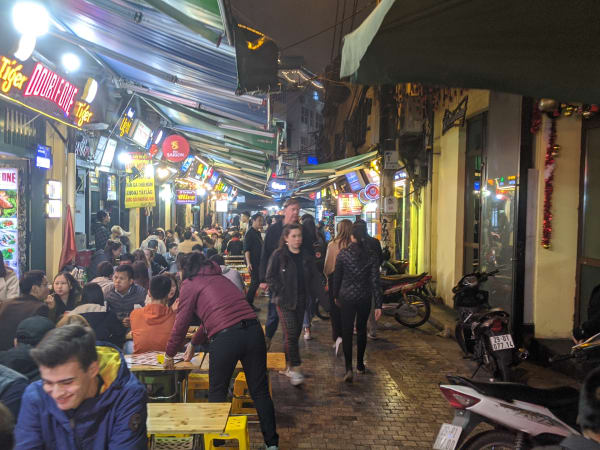
The Old Quarter is less a destination than an environment - it rewards time spent walking, eating, and observing rather than checking off specific sites. The daytime character is commercial and busy, with motorbike traffic pressing through narrow lanes, shop fronts open to the street, and a continuous soundtrack of horns and vendors. The evening character shifts toward food - the street food culture of the Old Quarter is among the best in Hanoi, with pho, bún chả, bánh cuốn, and bia hơi available within steps of virtually any point in the district. The weekend pedestrian zone creates a third register entirely - the streets reclaimed from traffic become a genuine public space.
Travel Tips
🧳 Tips
The Old Quarter is best experienced over multiple visits at different times of day rather than in a single walk-through. A morning visit for street breakfast (Hàng Chiếu area for bánh mì and cháo), an afternoon walk through the architectural streets (Mã Mây, Hàng Buồm, Hàng Bè), and an evening at Tạ Hiện for bia hơi covers the essential range of experiences. The narrow lanes are genuinely difficult to navigate by motorbike and the walking pace enforced by the crowds is actually appropriate for the environment - resist the urge to hire a cyclo for a circuit and walk instead.
Insider Tips
Based on real traveler experiences and commonly mentioned advice from multiple visitors.
Nearby Locations
Explore more things to do like this around Vietnam