Overview
Things to Know
What Makes A Pa Chai (Vietnam's Westernmost Point) Special
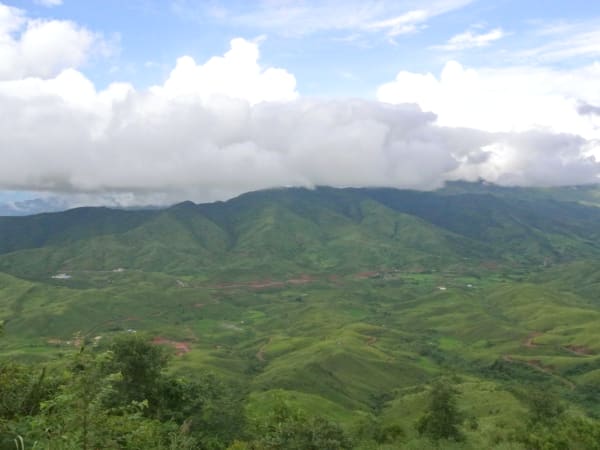
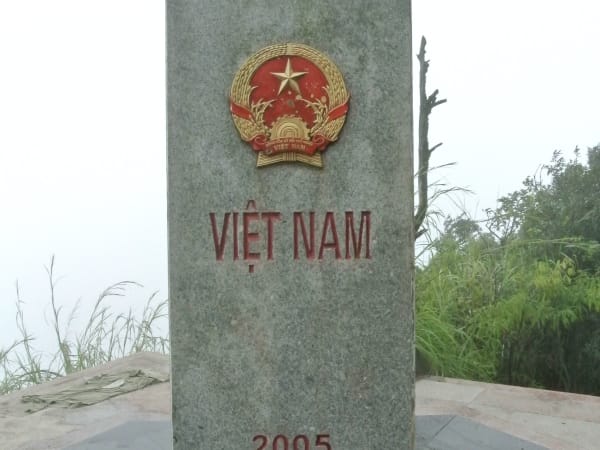
A Pa Chai marks the westernmost point of Vietnam - the peak in Mường Nhé district, Điện Biên province, where Vietnam, Laos, and China converge at a tri-border marker set into the mountain ridge. The point sits at an elevation of around 1,864 metres in a landscape of dense mountain forest populated by the Hà Nhì ethnic minority, one of the smallest highland groups in Vietnam. Reaching A Pa Chai requires a combination of remote road travel to the district capital of Mường Nhé, a further journey to the Hà Nhì village of Sín Thầu, and then a full-day trek through forest to the border marker itself. The journey is one of the more demanding in Vietnam's geography of extreme points - the distance from any urban centre, the road conditions, and the permit requirements create a threshold that keeps visitor numbers extremely low.
Gallery

How to Get There
🚗 Getting There
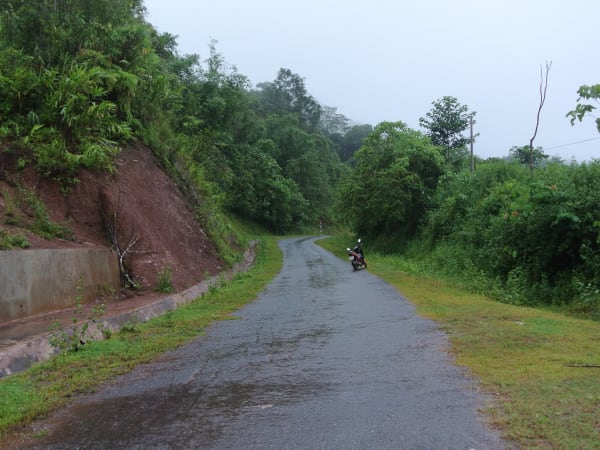
A Pa Chai is located in Sín Thầu commune, Mường Nhé district, approximately 250km west of Điện Biên Phủ city. By motorbike from Điện Biên Phủ, the journey to Mường Nhé town takes 5-6 hours on roads that are paved but include significant rough sections. From Mường Nhé town, a further 60km of rough track leads to Sín Thầu village - this section requires a capable motorbike and takes 3-4 hours depending on conditions. From Sín Thầu, the trek to the tri-border marker takes 4-6 hours on foot through forest. The total journey from Điện Biên Phủ requires a minimum of 3 days. Border area permits must be arranged before departure.
What to Expect
👀 On the Ground
The trek from Sín Thầu passes through montane forest with increasing elevation and decreasing trail definition as it approaches the border ridge. The tri-border marker is a concrete pillar set on the ridge where three countries meet - a simple monument in a forest clearing with no infrastructure. The views from the ridge extend into Laos and China on clear days. The Hà Nhì village of Sín Thầu at the start of the trek is a significant cultural experience in itself - the village architecture, traditional dress, and daily life of this small ethnic group are rarely encountered by outsiders.
Travel Tips
🧳 Tips
A Pa Chai is for travellers who specifically want to reach one of Vietnam's geographic extremities and are prepared for the logistics involved. The journey is as much the point as the destination - the remote roads of Mường Nhé district pass through some of the least-visited highland scenery in the country, and the Hà Nhì communities along the route provide cultural encounters that are genuinely off the tourist circuit. The permit requirement and road conditions mean this is not a spontaneous trip - plan thoroughly, allow buffer days for weather and road conditions, and treat the entire Mường Nhé journey as the experience rather than just the border marker.
Insider Tips
Based on real traveler experiences and commonly mentioned advice from multiple visitors.
FAQ
Common questions from travelers who've visited this place.
Can foreign tourists visit the westernmost point?›
What permits or documentation do I need?›
How long does the journey take from Điện Biên Phủ?›
Explore more things to do like this around Vietnam