Menu
ProvincesLocationsExperiencesBlogMap
📍 cultural · town · sapa

Cat Cat Village

Cat Cat Village sits 2.5km below Sa Pa town in a steep valley - an original Black H'mong settlement with traditional indigo weaving, a 100m waterfall, and a walking trail that gives an easy introduction to highland village life.

🎎 H'mong Culture💧 Waterfall📸 Photography🚶 Walking Trail
🧭 Get Directions
Best Time to Visit
📅 Mar – May or Sep – Nov (best light, comfortable weather)
Entry Fee
🎟️ ~90,000 VND
Opening Hours
🕐 7:00 AM – 6:00 PM
Address
📌 San Sả Hồ, Sa Pa, Lào Cai
👥Crowds
Popular Instagram destination, heavily focused on tourist photography with repetitive souvenir shops
🥾Difficulty
Steep, narrow roads from Sapa city. Wooden stairs and platforms are slippery and deteriorating from moisture damage. Extensive walking required through village
⚠️Safety
Motorcycle drivers at entrance request 100,000 VND round trip—bargain hard or use 10,000 VND electric cart (may require waiting) or walk 15 minutes instead
🚶Accessibility
Distance from ticket entrance to village requires transportation. Electric carts and motorcycle rides available but add extra costs
🌤️Seasonal
August ideal for green terraced rice fields before harvest. June offers perfect weather with sunshine and clouds. Occasional rainfall and fog in monsoon season

What Makes Cat Cat Village Special

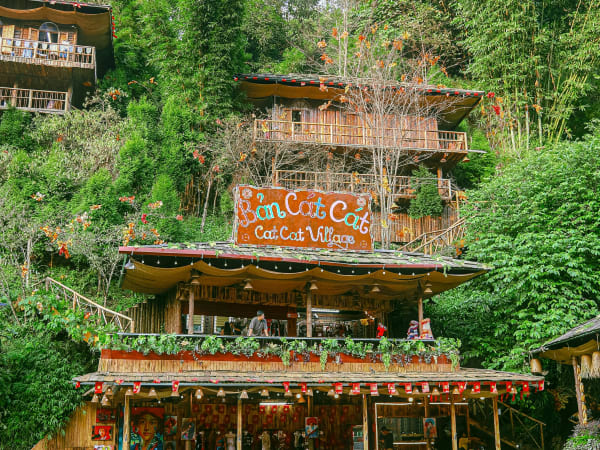
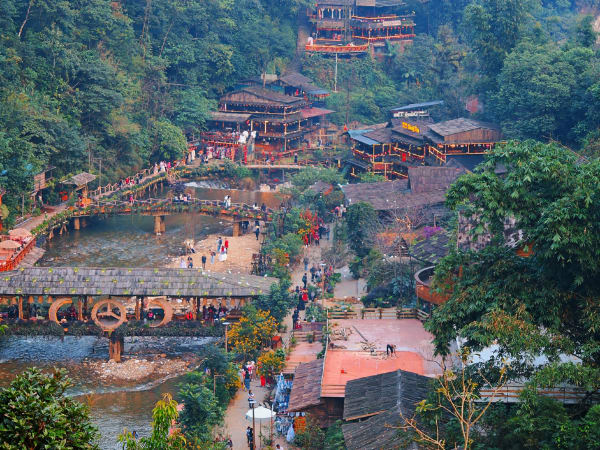
Cat Cat is the closest traditional village to Sa Pa town - just 2.5km down a steep valley, making it the easiest and most visited H'mong settlement in the area. It's a Black H'mong village that has existed for generations, and despite heavy tourist footfall, it retains genuine cultural substance: women in traditional indigo-dyed dress, hand-loomed textiles, terraced fields cut into the hillside, and a 100m waterfall that powered a French-era hydroelectric station. The village path is a loop of about 3km through the settlement, down to the waterfall, and back - walkable in 1.5–2 hours without rushing.

🚗 Getting There

Cat Cat Village is 2.5km from Sa Pa town centre, easily reachable on foot downhill (30 minutes), by motorbike, or by xe ôm. The entrance is clearly signposted from Sa Pa's main road. There is an entrance fee booth at the top of the village path. Most visitors walk down and take a xe ôm back up to avoid the steep return climb, though fit walkers find the uphill manageable in 30–40 minutes.

👀 On the Ground

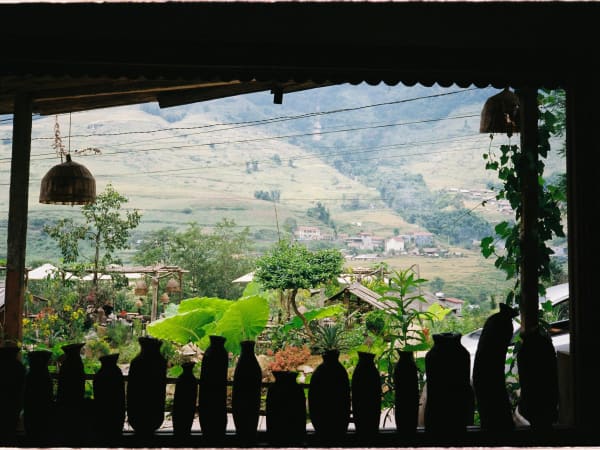
The path descends through the village past H'mong households, craft stalls, and vegetable gardens before reaching the valley floor and waterfall. The route is well-maintained and wide enough to handle the tourist flow, but still scenic - framed by terraced fields above and forested slopes below. Local women sell hand-embroidered textiles, hemp cloth bags, and jewellery along the path. The waterfall itself drops through a gorge and is photogenic in all seasons. A small suspension bridge at the base adds to the drama.

🧳 Tips

Cat Cat is Sa Pa's most accessible village introduction - good for families, first-time visitors, or anyone with limited trekking ability. It's significantly more commercialised than Lao Chải or Tả Van deeper in the valley, but that doesn't make it inauthentic - the H'mong families here genuinely live and work here. If you want deeper cultural immersion, use Cat Cat as a warm-up and continue trekking down into Muong Hoa Valley toward Lao Chải and Tả Van.

Based on real traveler experiences and commonly mentioned advice from multiple visitors.

Rent traditional ethnic clothing at village to avoid stress from carrying belongings and enhance photo opportunities
Use bamboo structures for photos rather than wooden platforms due to moisture-related deterioration and safety concerns
Budget extra costs: slide 40,000 VND, rides up/down 10,000 VND each, traditional photo shoots, souvenir shopping
Go early (7–8 AM) or late afternoon (4–5 PM) - midday crowds make the narrow paths uncomfortably busy, especially on weekends
The waterfall at the bottom of the valley is genuinely impressive and worth the walk down - factor in the climb back up
Women weaving and selling indigo textiles are the real craftspeople of the village - buying directly from them is the most ethical way to take something home
The French once built a small hydro station in the village during the colonial era - the ruins are still visible near the waterfall
Wear proper shoes - the path is paved with steps but steep, uneven, and slippery when wet

Common questions from travelers who've visited this place.

How do I get from the entrance to the actual village?
Take electric cart for 10,000 VND (may wait for full cart), walk 15 minutes, or negotiate motorcycle rides around 100,000 VND round trip with bargaining
Is the waterfall real?
Reviews report waterfalls are artificially created with diverted water and pipes, not naturally occurring
What's the best time to visit for good photos?
June and August offer ideal conditions—June has perfect sunshine, August shows lush green rice terraces. Avoid heavy fog which obscures valley views
Explore more
sapa - Full Guide
View destination guide →