Overview
Things to Know
What Makes La Vang Sanctuary Special
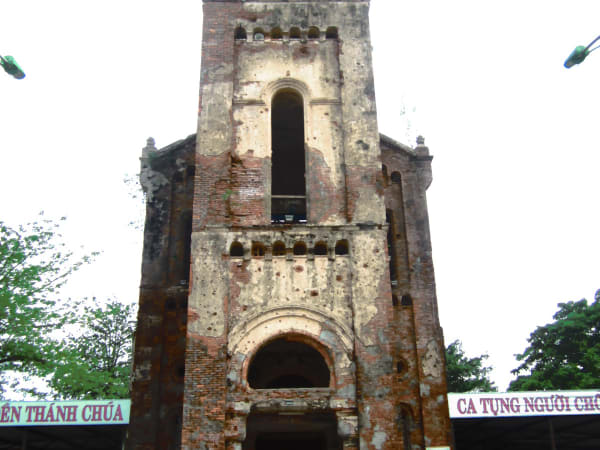
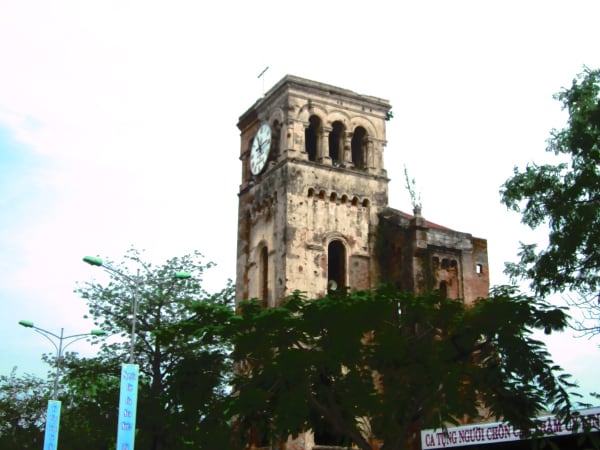
La Vang Sanctuary in Hải Lăng district, Quảng Trị province is Vietnam's national Marian centre and the most important Catholic pilgrimage site in the country. The tradition dates to 1798, when Vietnamese Catholics fleeing persecution under the Tây Sơn emperor Cảnh Thịnh took refuge in the remote forest of La Vang. According to the account passed down through generations, the community gathered nightly under a banyan tree to pray the rosary, and one night a beautiful woman appeared in traditional Vietnamese áo dài, holding the infant Jesus, accompanied by two angels. She told them to boil leaves from the surrounding trees as medicine and promised that those who came to pray here would receive her blessing. Pope John XXIII elevated the church to the status of a Minor Basilica in 1961. The original basilica was destroyed in the intense fighting around Quảng Trị during the summer of 1972 - only the bell tower survived, and it stands today as a deliberate, unrestored memorial.
Gallery



How to Get There
🚗 Getting There
La Vang is 6km south of Quảng Trị town and 58–60km north of Huế city, directly off National Highway 1A. From Huế, take Highway 1A north past Đông Hà; at Hải Phú commune, follow signs for La Vang. By train, the nearest stations are Quảng Trị or Đông Hà, from which the sanctuary is reachable by taxi or motorbike. Many Huế-based tour operators include La Vang as part of a DMZ day trip alongside Vinh Mốc tunnels and Khe Sanh combat base.
What to Expect
👀 On the Ground
The sanctuary complex includes the ruined 1924 bell tower, the Apparition Shrine (three artificial banyan trees with the statue of Our Lady), the operating Chapel of Our Lady, the 2002 Eucharistic Chapel, a large pilgrimage square, and extensive grounds under ongoing development. The three-banyan-tree monument is the focal point for prayer and photography. The ruined bell tower - its crumbling brick walls left unrestored - carries enormous emotional weight as both a religious site and a record of the 1972 war. On ordinary days the site is calm; on August 13–15 it becomes one of the largest religious gatherings in Vietnam.
Travel Tips
🧳 Tips
La Vang fits naturally into a Quảng Trị and DMZ day itinerary from Huế - a full day covers La Vang, the Quảng Trị Citadel ruins (also heavily damaged in 1972), Vinh Mốc tunnels, and the Bến Hải River DMZ crossing. For non-Catholics, the historical layers here are as compelling as the religious ones: the 1798 persecution, the 1972 war, and the ongoing reconstruction give La Vang an unusually rich narrative for what looks, on the surface, like a standard church compound.
Insider Tips
Based on real traveler experiences and commonly mentioned advice from multiple visitors.
FAQ
Common questions from travelers who've visited this place.
Why is the church partially destroyed?›
What is the significance of La Vang?›
Is there information available in English?›
Nearby Locations
Explore more things to do like this around Vietnam