Overview
Things to Know
What Makes Quảng Trị Ancient Citadel Special
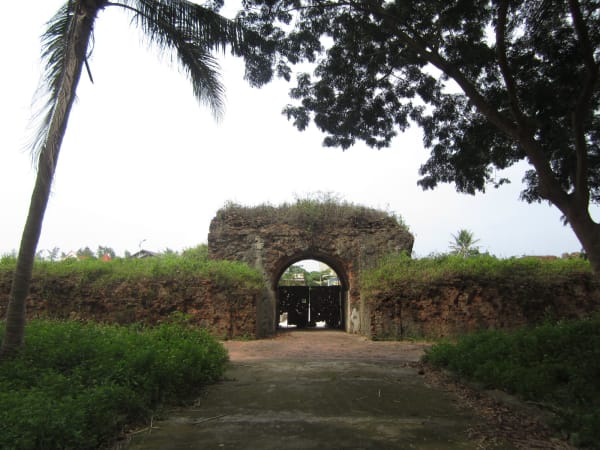
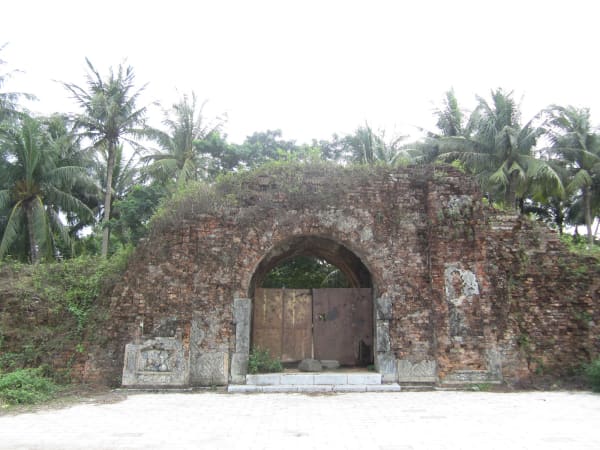
Quảng Trị Ancient Citadel stands in the centre of Quảng Trị city - a Vauban-style fortification built by the Nguyễn dynasty in the early 19th century that became the site of one of the most intense battles of the American war. In the summer of 1972, North Vietnamese forces seized the citadel during the Easter Offensive. The subsequent 81-day battle to retake it - fought by South Vietnamese forces with massive American air support against the North Vietnamese garrison - reduced the structure to rubble and resulted in casualties estimated in the thousands on both sides. The citadel's interior, now covered in grass and memorial structures, is considered by the Vietnamese government and people to be sacred ground: the remains of soldiers from both sides are believed to lie in the earth beneath the surface, making it simultaneously a battlefield, a cemetery, and a place of ongoing spiritual significance.
Gallery



How to Get There
🚗 Getting There
Quảng Trị Ancient Citadel is located in the centre of Quảng Trị city, approximately 60km south of Huế and 170km north of Đà Nẵng. By motorbike or car from Huế, follow Highway 1A north - the journey takes about 1 hour. The citadel is well signposted in the city centre. Regular buses run between Huế and Quảng Trị city. The citadel is often visited as a stop on the drive between Huế and the DMZ sites further north, or as a day trip from Huế city.
What to Expect
👀 On the Ground
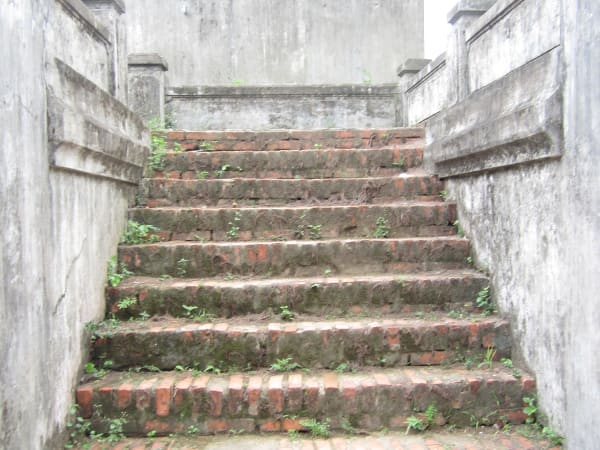
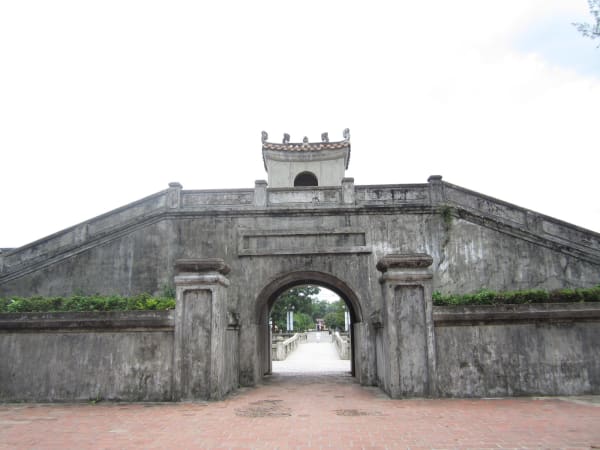
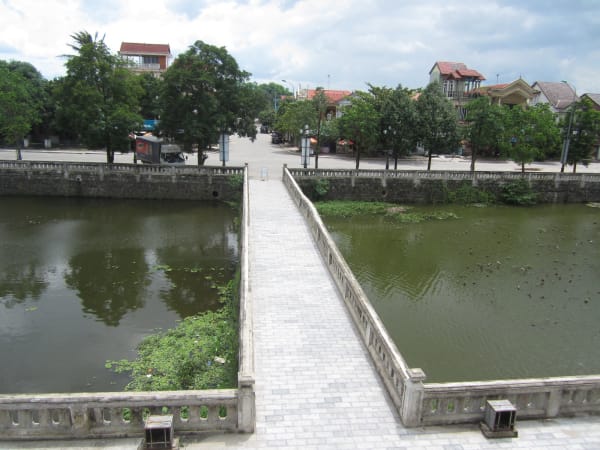
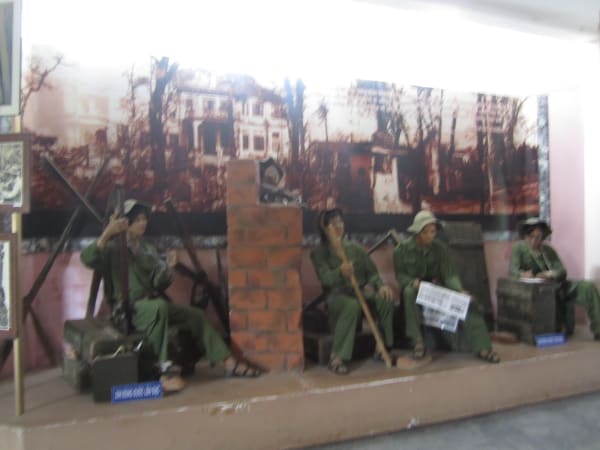
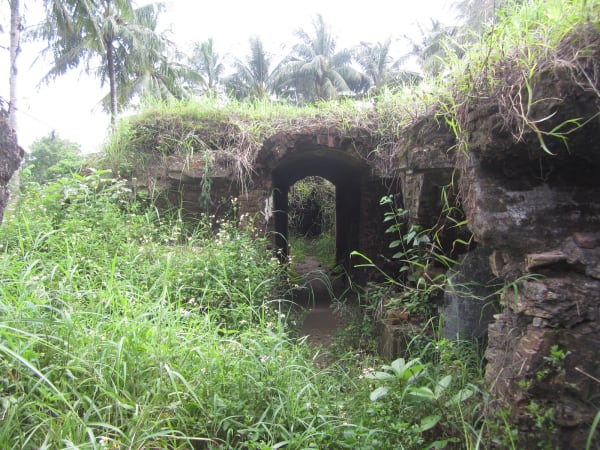
The citadel walls enclose a wide green interior space where a memorial tower, museum, and several commemorative structures stand. The grounds are immaculately maintained and treated with evident reverence. The museum at the entrance documents the 1972 battle with photographs, maps, and artefacts. The walls themselves - thick masonry with corner bastions typical of Vauban military architecture - survived the bombing better than the interior and provide a walkable perimeter. Outside the citadel, the Quảng Trị church ruins nearby stand as additional evidence of the destruction - the shell-pocked tower preserved as a memorial.
Travel Tips
🧳 Tips
Quảng Trị is the most emotionally significant stop on the central Vietnam war history circuit, and the citadel requires a different approach from the more touristically packaged sites further south. The scale of death here - concentrated into 81 days in a space that can be crossed in minutes on foot - is not immediately apparent from the peaceful green grounds. The museum and the information boards provide the numbers and the timeline, but the meaning of the place is transmitted most effectively by Vietnamese visitors, who often arrive in family groups to pay respects at a site their grandparents' generation regards as holy. Allow time to observe as well as to read.
Insider Tips
Based on real traveler experiences and commonly mentioned advice from multiple visitors.
FAQ
Common questions from travelers who've visited this place.
How long does a visit typically take?›
Is there an entrance fee?›
What should I expect to see?›
Nearby Locations
Explore more things to do like this around Vietnam