83 places
Walking Tours in Vietnam
Explore ancient towns and hidden alleys on foot
83 locations for walking tours
🏔️ Mountain
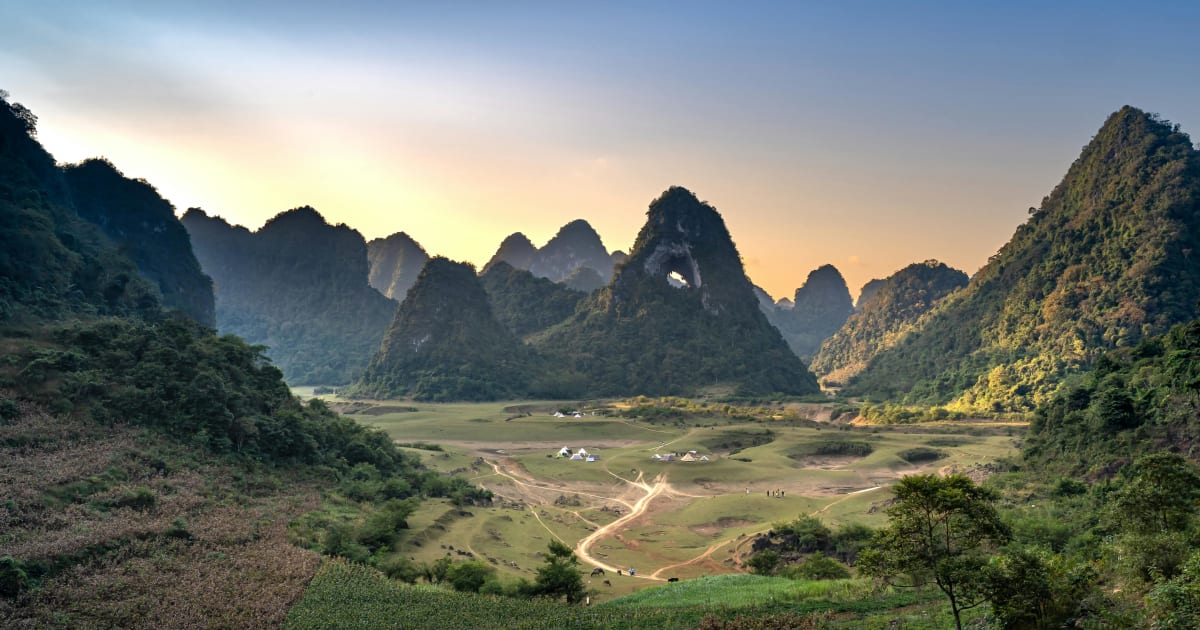
Angel Eye Mountain (God Eye Mountain)
📍 cao bang
Angel Eye Mountain - also known as God Eye Mountain or Núi Thủng - is a limestone karst peak in Cao Bằng with a perfectly circular 50m hole piercing through its summit, set in the Thang Hen valley where the surrounding flatland floods into a 15-hectare lake each rainy season.

📍 Pagoda
Ba Danh Pagoda
📍 ha nam
Ba Danh Pagoda in Hà Nam is known throughout Vietnam by a single proverb - 'as deserted as Ba Danh Pagoda' - a Buddhist complex set on a quiet peninsula between two rivers that genuinely lives up to its reputation for solitude.

📍 Lake
Ba Om Lake
📍 tra vinh
Ba Om Lake in Trà Vinh is a sacred Khmer reservoir over 1,300 years old, surrounded by ancient trees and the Âng Pagoda - the most important Khmer Buddhist temple in a province with one of the largest Khmer Krom communities in the Mekong Delta.

🏖️ Beach
Back Beach Vũng Tàu
📍 ba ria vung tau
Back Beach is Vũng Tàu's main beach - a 9km arc of open coastline facing the East Sea that serves as the primary weekend beach escape for Ho Chi Minh City, with a dense strip of seafood restaurants, hotels, and beach services backed by the Giant Jesus statue on the hill above.

📍 Pagoda
Bái Đính Pagoda
📍 ninh binh
Bái Đính is Vietnam's largest Buddhist complex - a modern hilltop pagoda near Ninh Bình holding multiple national records including Vietnam's largest bronze Buddha, longest arhat corridor (500 statues), and heaviest bell, surrounded by older cave pagodas dating to the 11th century.
📍 Pagoda
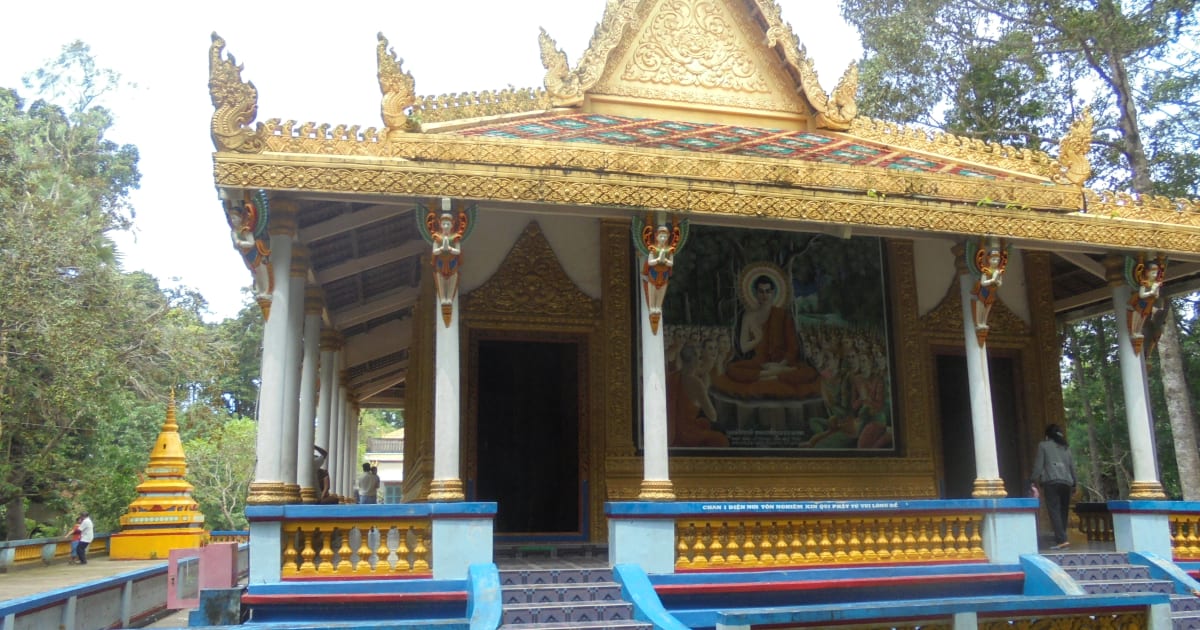
Bat Pagoda
📍 soc trang
Bat Pagoda (Chùa Dơi) in Sóc Trăng is a 400-year-old Khmer Buddhist temple where tens of thousands of large fruit bats roost in the ancient trees year-round - an extraordinary and unexpected combination of active religious site and wildlife spectacle.

📍 History
Bến Hải River & Hiền Lương Bridge
📍 quang tri
The Bến Hải River and Hiền Lương Bridge mark the former demilitarized zone that divided Vietnam at the 17th parallel from 1954 to 1975 - one of the most historically significant and quietly moving sites on the Vietnam War trail in Quảng Trị.

🎎 Cultural
Bich Dong Pagoda
📍 ninh binh
Bích Động Pagoda - the 'Second Grotto of the South' - is an 18th-century Buddhist complex built across three levels inside and around a limestone karst, combining cave shrines, cliff-carved steps, and a hilltop terrace with sweeping views over the Ninh Bình valley.

✨ Attraction
Bui Vien Street
📍 ho chi minh city
Bui Vien Street is Ho Chi Minh City's most famous backpacker street - a 400-metre pedestrianised strip in District 1 packed with open-air bars, clubs, street food, and neon lights that becomes one of Southeast Asia's most intense nightlife corridors after dark.

⛩️ Temple
Cao Đài Holy See
📍 tay ninh
The Cao Đài Holy See in Tây Ninh is the Vatican of a uniquely Vietnamese religion that venerates Buddha, Confucius, Jesus, and Victor Hugo equally - its cathedral is one of the most visually extraordinary buildings in Southeast Asia, and the noon ceremony is open to visitors.

🎎 Cultural
Cat Cat Village
📍 lao cai
Cat Cat Village sits 2.5km below Sa Pa town in a steep valley - an original Black H'mong settlement with traditional indigo weaving, a 100m waterfall, and a walking trail that gives an easy introduction to highland village life.

🏖️ Beach
Cổ Thạch Beach
📍 binh thuan
Cổ Thạch Beach is a photogenic stretch of coastline in northern Bình Thuận where moss-covered granite boulders and tide pools create one of the most distinctive beach landscapes in southern Vietnam - largely undeveloped and rarely crowded.

🏯 Heritage
Con Dao Prison
📍 vung tau
Con Dao Prison is Vietnam's most significant historical site of incarceration - a French colonial penal complex used continuously from 1862 to 1975, known internationally for the Tiger Cages where political prisoners were kept in underground stone pits, and the burial place of revolutionary heroine Võ Thị Sáu.
✨ Attraction
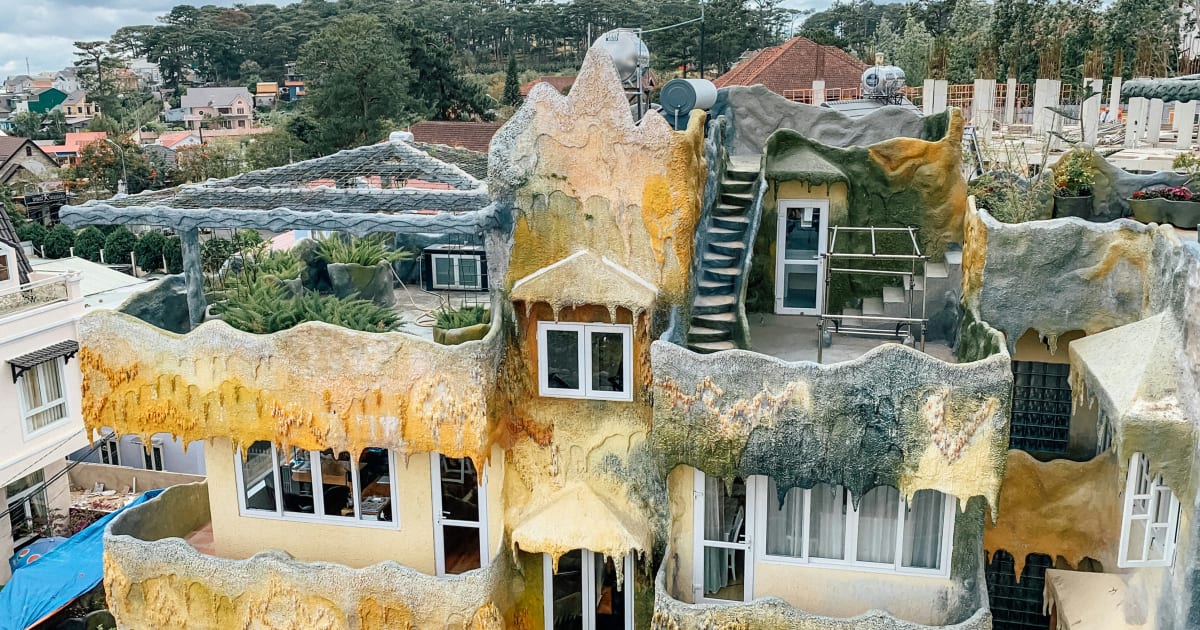
Crazy House
📍 lam dong
The Crazy House is Đà Lạt's most extraordinary building - a Gaudí-inspired architectural fantasy of organic forms, cave-like rooms, giant animal sculptures, and winding exterior stairways designed by Vietnamese architect Đặng Việt Nga, still under construction after 30 years and operating as a functioning guesthouse.
🏯 Heritage
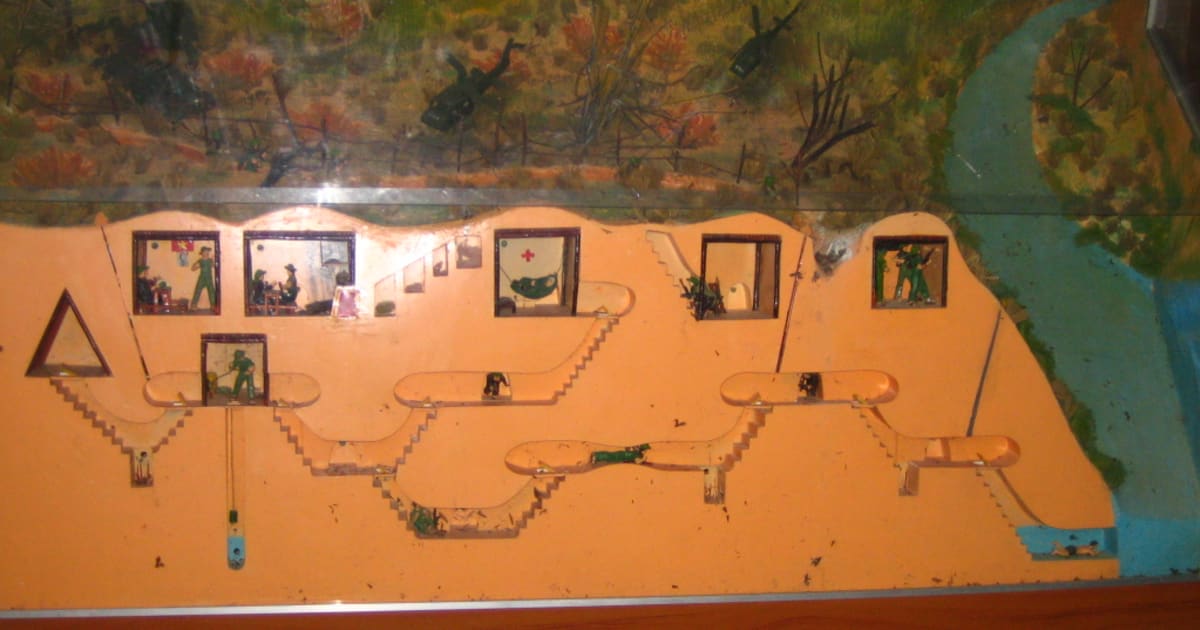
Cu Chi Tunnels
📍 ho chi minh city
Cu Chi Tunnels is a 250km network of underground passages used by Viet Cong guerrillas during the Vietnam War - one of the most remarkable feats of military engineering in history, now preserved as a living war museum 40km northwest of Ho Chi Minh City.

🏯 Heritage
Đà Lạt Railway Station
📍 lam dong
Đà Lạt Railway Station is the best-preserved French colonial railway station in Vietnam - a 1938 Art Deco building with a distinctive three-peaked roof, still operating a tourist train to the village of Trại Mát through pine forest and flower farms.

💧 Waterfall
Datanla Waterfall
📍 lam dong
Datanla Waterfall is Đà Lạt's most accessible cascade - a series of falls dropping through pine and rainforest 5km from the city centre, reached by a forest path or an alpine coaster that winds through the trees above the gorge.
🎎 Cultural
Đồng Văn Old Town
📍 ha giang
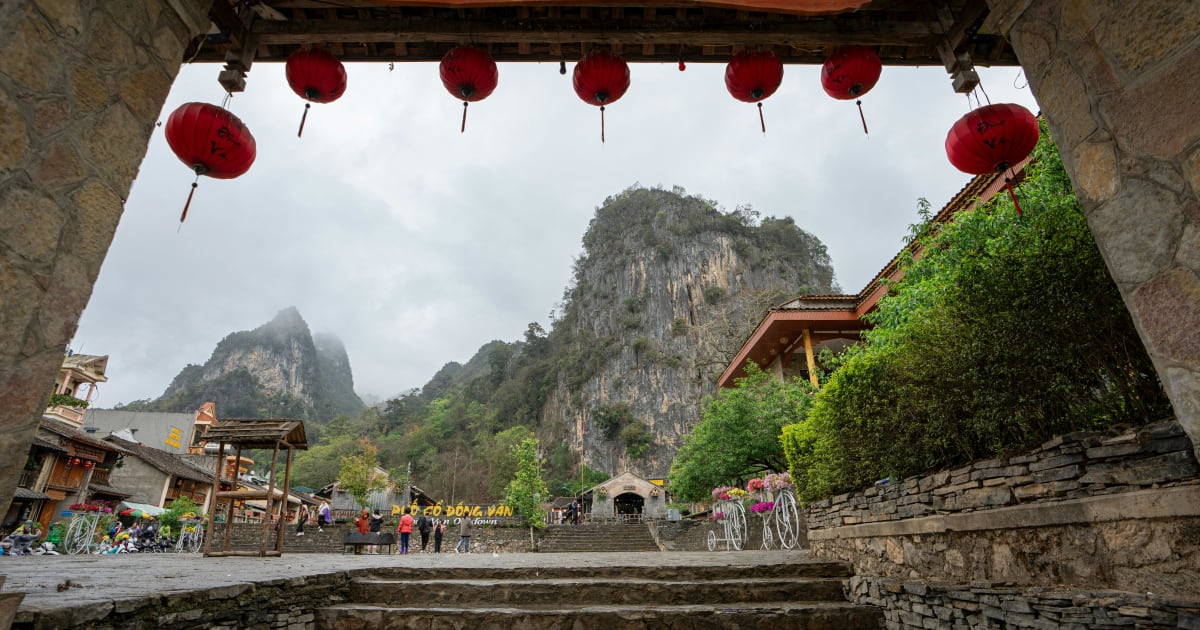
Đồng Văn Old Town - a preserved French colonial and Qing-era stone quarter perched at 1,600m on Vietnam's northernmost plateau, surrounded by dramatic karst peaks and H'Mông villages.
✨ Attraction
Dragon Bridge
📍 da nang
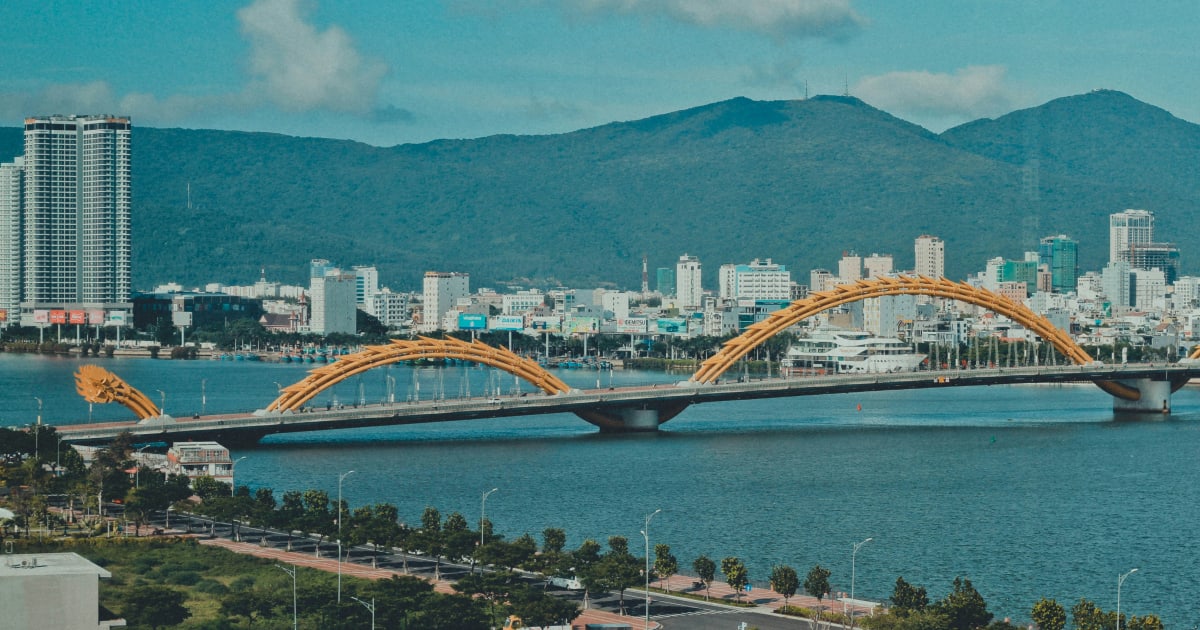
The Dragon Bridge is Đà Nẵng's most iconic landmark - a 666-metre steel bridge shaped like a dragon crossing the Hàn River, with a head that breathes real fire and water every Saturday and Sunday night at 9 PM.
💧 Waterfall
Dray Nur & Dray Sap Waterfalls
📍 dak lak, dak nong
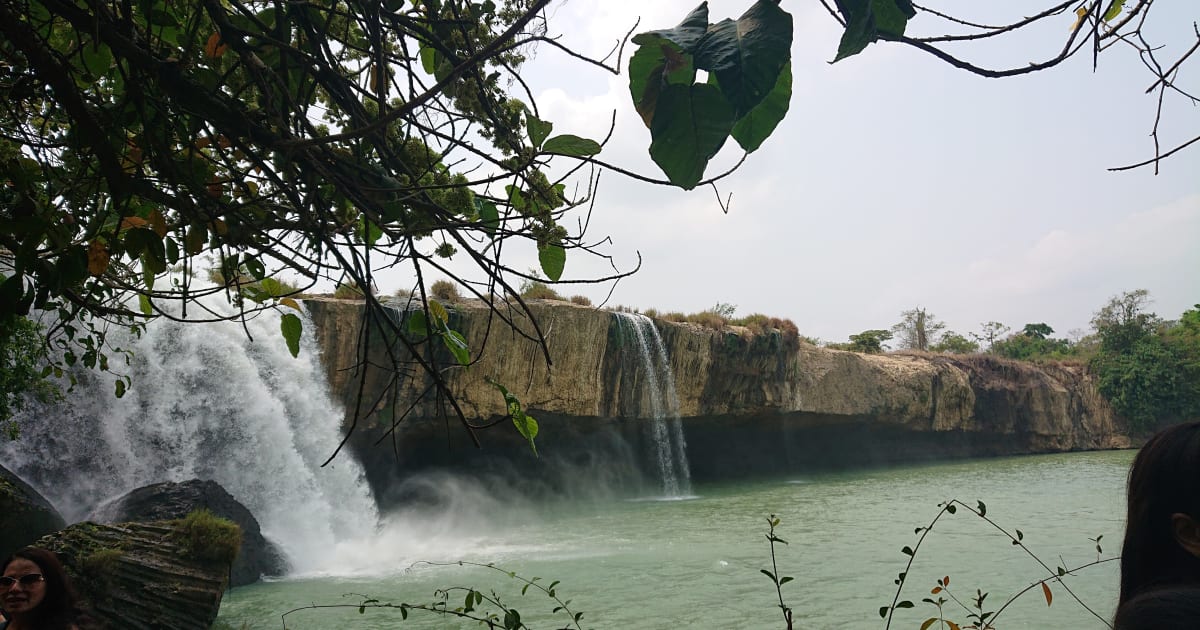
Dray Nur and Dray Sap are twin waterfalls on the Krông Ana river straddling the Đắk Lắk and Đắk Nông border - two of the widest waterfalls in the Central Highlands, known locally as the Husband and Wife Falls.

✨ Attraction
The Duck Stop
📍 quang binh
The Duck Stop is Phong Nha's best-known traveller bar - a riverside terrace on the Son River in Sơn Trạch village where solo travellers, guides, and caving operators converge in the evening, with cold beer, local food, sunset views, and the best information on what's actually worth doing in the national park.
🌿 Nature
Fairy Stream
📍 binh thuan
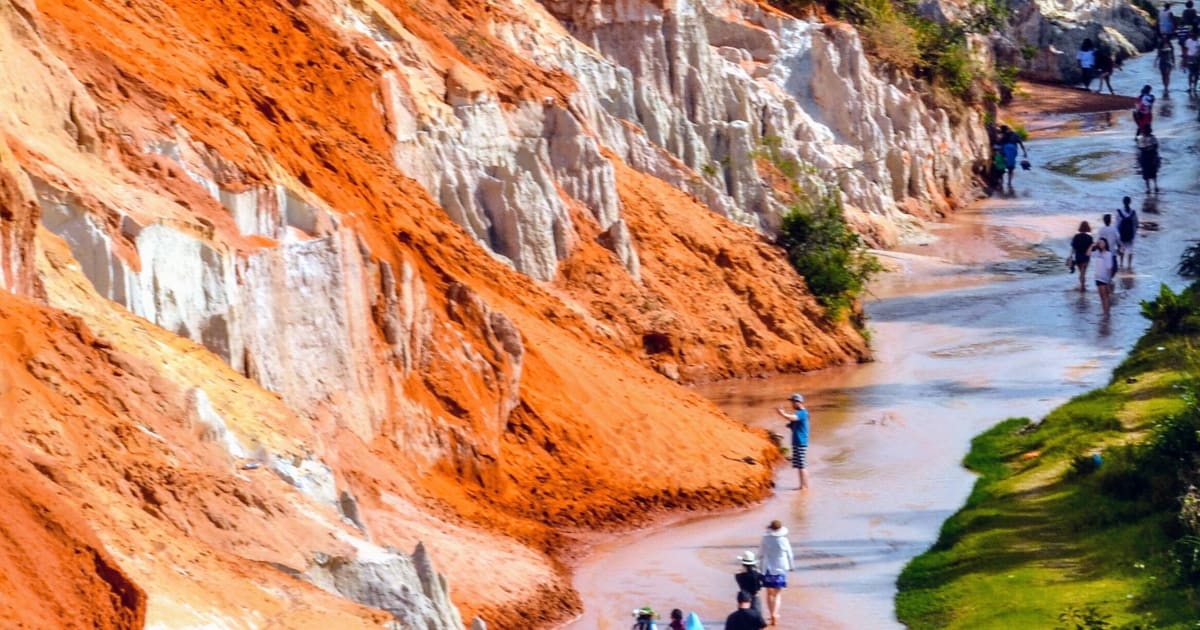
Fairy Stream is Mũi Né's most unusual natural attraction - a shallow stream winding through a narrow canyon of red and yellow sandstone walls, bamboo forest, and dunes, waded barefoot for 2km to reach a small waterfall at the end.

✨ Attraction
French Village
📍 da nang
The French Village at Bà Nà Hills is a meticulous recreation of a European mountain town at 1,487 metres - cobbled streets, a winery, a beer hall, a cathedral, and Fantasy Park, an indoor theme park built inside a recreated French fortress above the clouds.

✨ Attraction
Golden Bridge
📍 da nang
The Golden Bridge is Vietnam's most photographed structure - a 150-metre pedestrian walkway held by two giant weathered stone hands emerging from the mountain at 1,400 metres, with views over the Đà Nẵng coastline and the cloud layer below.
🏘️ Town
Hàm Ninh Fishing Village
📍 kien giang
Hàm Ninh Fishing Village on Phú Quốc's east coast - wooden stilt houses over the water, fresh crab straight off the boats, and a world away from the resort side of the island.
📍 Landmark
Hanoi St. Joseph's Cathedral
📍 ha noi
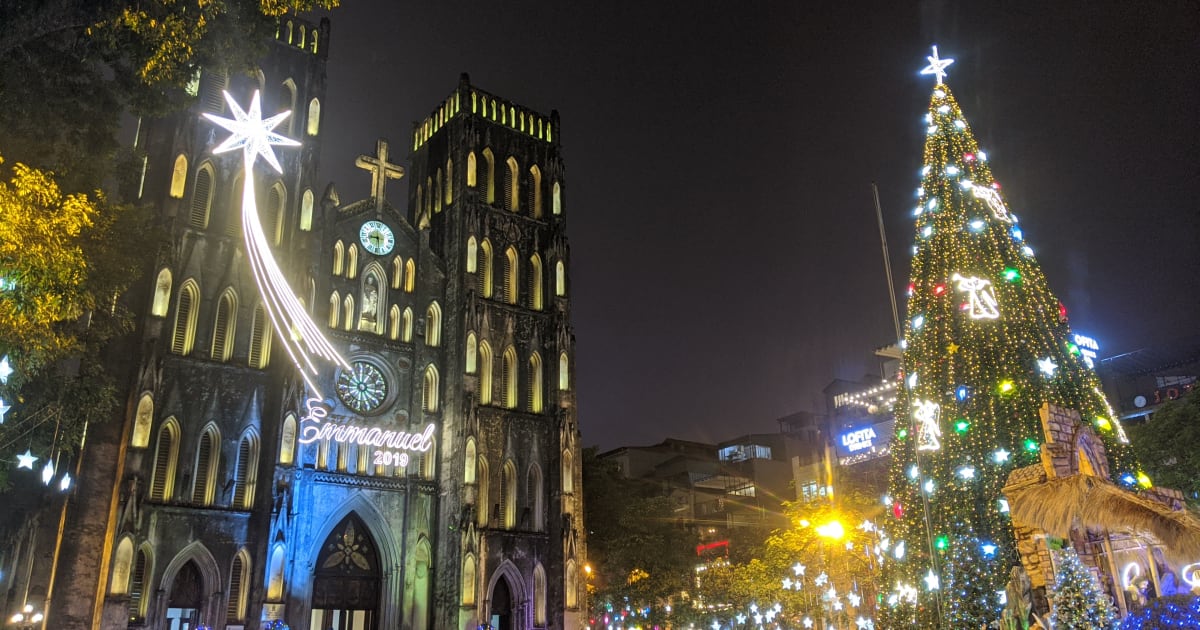
Hanoi St. Joseph's Cathedral is a neo-Gothic French colonial church built in 1886 at the heart of the Old Quarter - one of the oldest Western-style buildings in Vietnam and a defining landmark of central Hanoi.

🏯 Heritage
Hanoi Old Quarter
📍 ha noi
Hanoi's Old Quarter is a dense 36-street merchant district dating to the 13th century where each street historically traded a single craft - today it remains the commercial and cultural heart of the capital, with narrow lanes, ancient tube houses, street food, and the best urban walking in Vietnam.

✨ Attraction
Hanoi Train Street
📍 ha noi
Hanoi Train Street is a narrow residential alley in the Old Quarter where a working railway line passes within centimetres of the houses, cafes, and daily life of the people who live alongside it - one of Hanoi's most photographed and contested urban scenes.

🏯 Heritage
Hmong King Palace
📍 ha giang
The Hmong King Palace in Đồng Văn is the former residence of the Vương clan - the most powerful Hmong family in colonial Indochina - a remarkable stone compound built between 1919 and 1928 that blends Chinese, French, and Hmong architectural traditions in the heart of the Ha Giang plateau.
📍 Lake
Hoan Kiem Lake
📍 ha noi
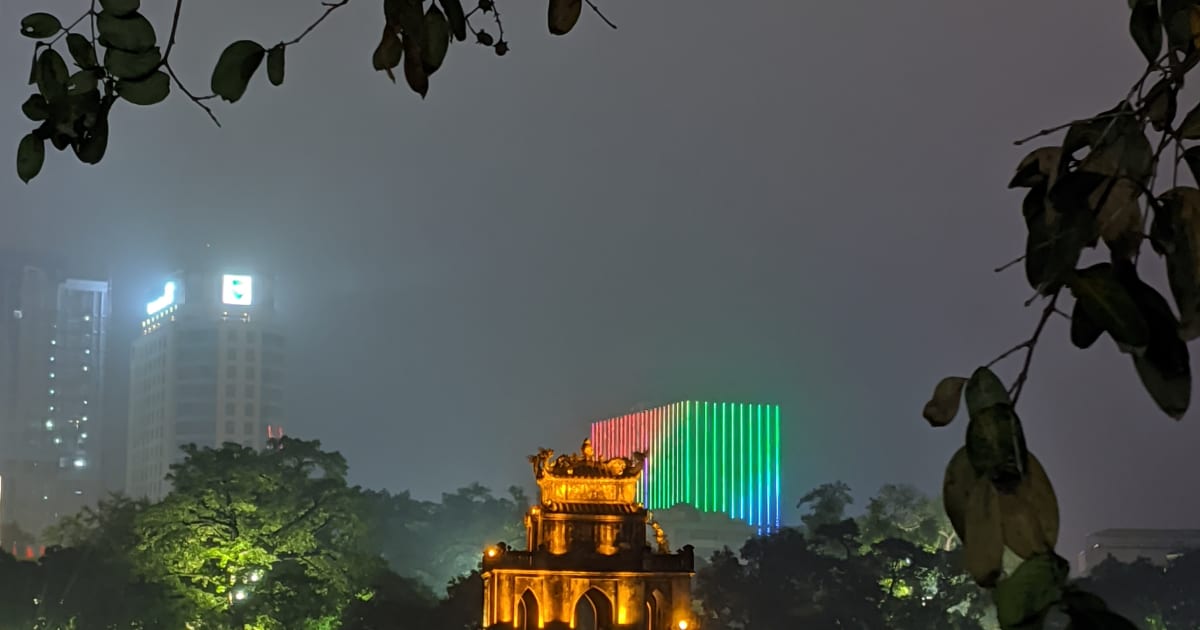
Hoan Kiem Lake is the symbolic heart of Hanoi - a scenic urban lake in the Old Quarter surrounded by shaded walkways, French colonial buildings, and the legendary Ngoc Son Temple, home to Vietnam's founding myth of the restored sword.

📍 History
Ho Chi Minh's Childhood Home
📍 nghe an
Ho Chi Minh's childhood home in Làng Sen, Kim Liên is the scene printed on the back of Vietnam's 500,000 VND note - the preserved village house where the future leader spent his early years, now the most significant pilgrimage site in Nghệ An.
🏯 Heritage
Ho Chi Minh Mausoleum Complex
📍 ha noi
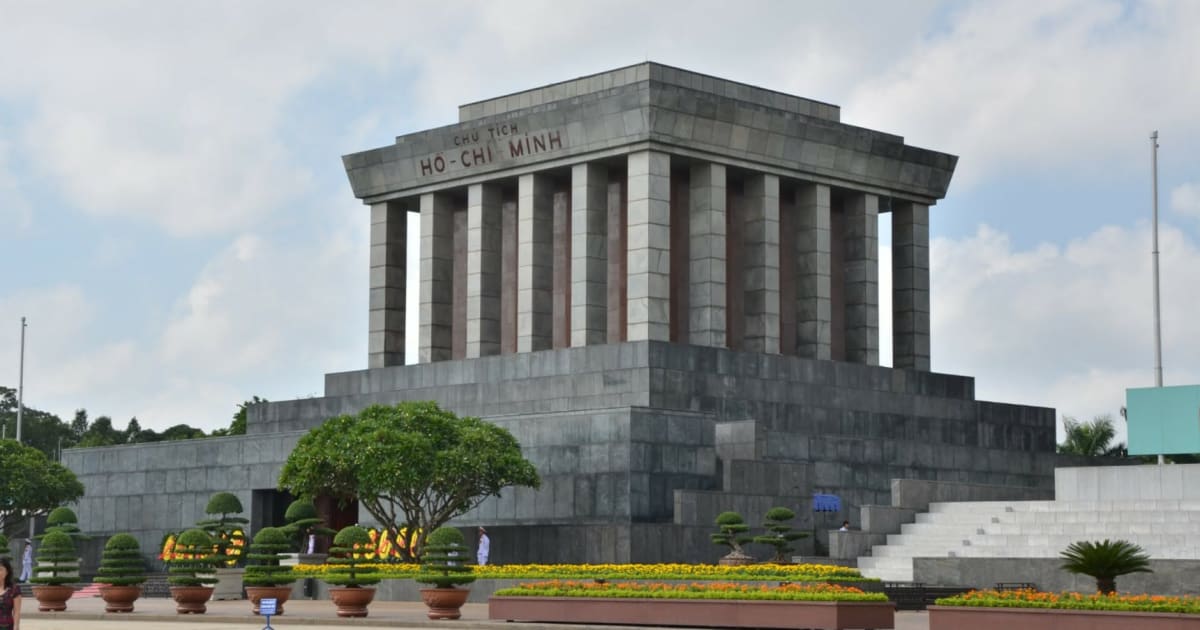
The Ho Chi Minh Mausoleum Complex in Hanoi's Ba Dinh Square contains the preserved body of Vietnam's founding leader, alongside his former residence, presidential palace, and museum - the most significant political pilgrimage site in Vietnam.

📍 Citadel
Ho Dynasty Citadel
📍 thanh hoa
Ho Dynasty Citadel is a UNESCO World Heritage Site in Thanh Hoa province - a remarkably intact 14th-century stone fortress built entirely from massive green schist blocks without mortar, representing the peak of Vietnamese medieval military architecture.

⛩️ Temple
Hộ Quốc Pagoda
📍 kien giang
Hộ Quốc Pagoda - a striking Buddhist temple complex climbing a forested hillside on Phú Quốc's east coast, with sweeping views over the Gulf of Thailand and one of the island's most peaceful atmospheres.
📍 History
Hoa Lo Prison
📍 ha noi
Hoa Lo Prison — nicknamed the 'Hanoi Hilton' by American POWs — is a preserved French colonial prison in central Hanoi, used to incarcerate Vietnamese political prisoners before 1954 and American pilots during the Vietnam War. One of Hanoi's most historically significant sites.
🏘️ Town
Hội An Ancient Town
📍 quang nam
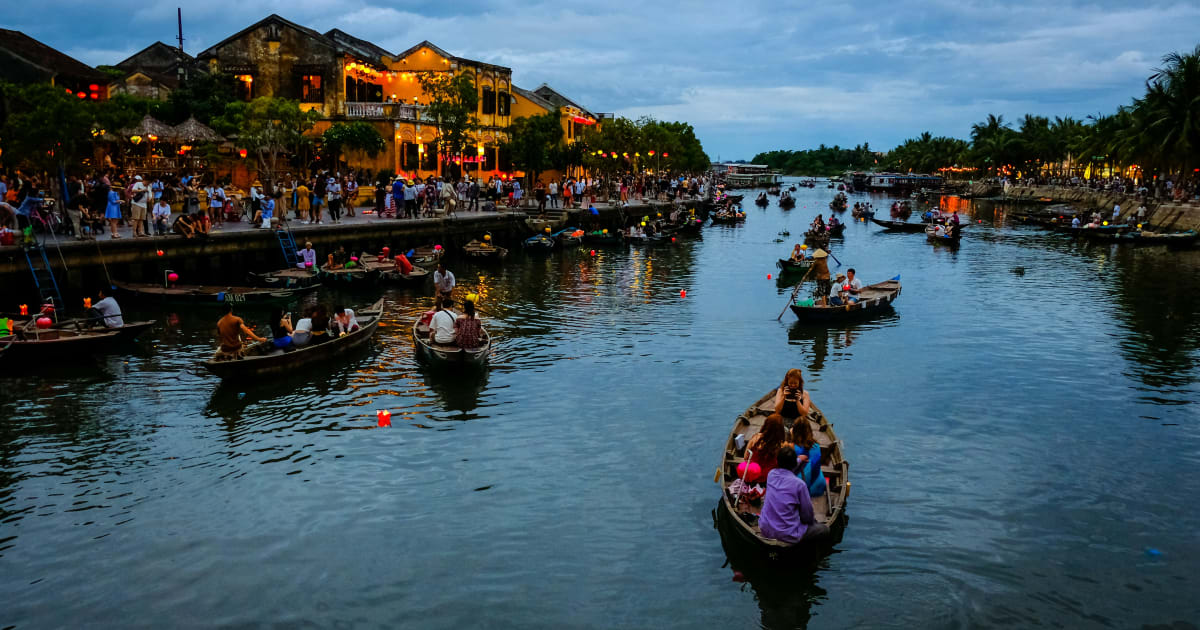
Hội An Ancient Town is Vietnam's best-preserved trading port - a UNESCO World Heritage Site of 400-year-old merchant houses, assembly halls, temples, and lantern-lit streets on the Thu Bồn River, where Japanese, Chinese, and Vietnamese architectural traditions fuse into a single walkable neighbourhood.
🏖️ Beach
Hòn Chồng (Hòn Chồng Rock Formation)
📍 khanh hoa
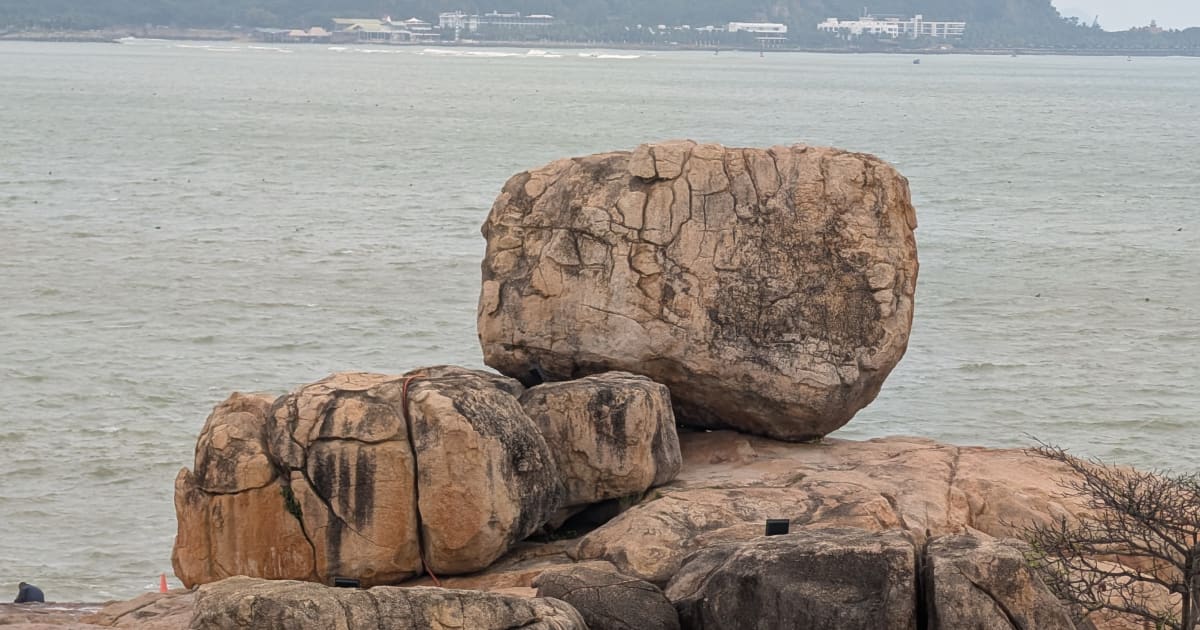
Hòn Chồng is a coastal granite rock formation 3km north of Nha Trang centre - a stack of weathered boulders jutting into the sea with views back to the city skyline and across to the offshore islands.
🪨 Cave
Hospital Cave
📍 hai phong
Hospital Cave is a three-storey limestone cave complex on Cát Bà Island that served as a secret Viet Cong hospital and military headquarters during the American War - treating up to 150 patients at a time while completely hidden from US aerial surveillance between 1963 and 1975.

⛩️ Temple
Hùng Temple (Đền Hùng)
📍 phu tho
Đền Hùng is Vietnam's most sacred national site - a hilltop temple complex in Phú Thọ dedicated to the Hùng Kings, the legendary founding fathers of the Vietnamese nation, and the destination of the country's largest annual pilgrimage.

🎎 Cultural
Imperial City
📍 hue
Huế's Imperial City is the former seat of the Nguyễn Dynasty - a 3km² walled citadel of palaces, gates, pavilions, and ceremonial halls on the Perfume River, modelled on Beijing's Forbidden City and the most complete imperial complex in Southeast Asia.

🏯 Heritage
Independence Palace
📍 ho chi minh city
Independence Palace is the former seat of the South Vietnamese government in Saigon - the building where the Vietnam War effectively ended on April 30, 1975 when North Vietnamese tanks crashed through its gates, preserved exactly as it was on that day.

📍 Pagoda
Jade Emperor Pagoda
📍 ho chi minh city
The Jade Emperor Pagoda is Ho Chi Minh City's most atmospheric active temple — a dense, incense-filled Taoist and Buddhist sanctuary built by Cantonese immigrants in 1909, housing elaborate lacquered statues, a sacred turtle pond, and the densest concentration of religious iconography in the city.

🎎 Cultural
Japanese Bridge
📍 quang nam
The Japanese Covered Bridge is Hội An's most iconic structure - a 400-year-old roofed bridge built by Japanese merchants in the early 1600s, spanning a small canal at the western edge of the Ancient Town, with a small temple built into its northern side.

📍 Pagoda
Keo Pagoda
📍 thai binh
Keo Pagoda in Thái Bình is one of the best-preserved examples of 17th-century Vietnamese wooden architecture - a national special relic with a three-story bell tower that has survived intact for over 400 years in the Red River Delta.

🎎 Cultural
Kon Tum Wooden Church
📍 kon tum
Kon Tum Wooden Church is a century-old Catholic church built entirely from timber by French missionaries - a remarkable piece of colonial-era religious architecture in the Central Highlands that blends Romanesque church form with traditional Bahnar stilt house construction methods.

⛩️ Temple
La Vang Sanctuary
📍 quang tri
La Vang Sanctuary in Hải Lăng district, Quảng Trị is Vietnam's most important Catholic pilgrimage site - a Minor Basilica built around a reported Marian apparition in 1798, destroyed in the 1972 battle of Quảng Trị, and partially rebuilt. The ruined bell tower and apparition shrine make it one of the most historically layered stops on the central Vietnam route.

📍 Pagoda
Linh Phước Pagoda
📍 lam dong
Linh Phước Pagoda in Trại Mát village is Vietnam's most elaborate ceramic mosaic temple - every surface covered in dragons, phoenixes, and Buddhist imagery assembled from millions of broken glass and ceramic fragments, with a 7-storey bell tower and a 49-metre dragon staircase.
🎎 Cultural
Lô Lô Chải Village
📍 ha giang
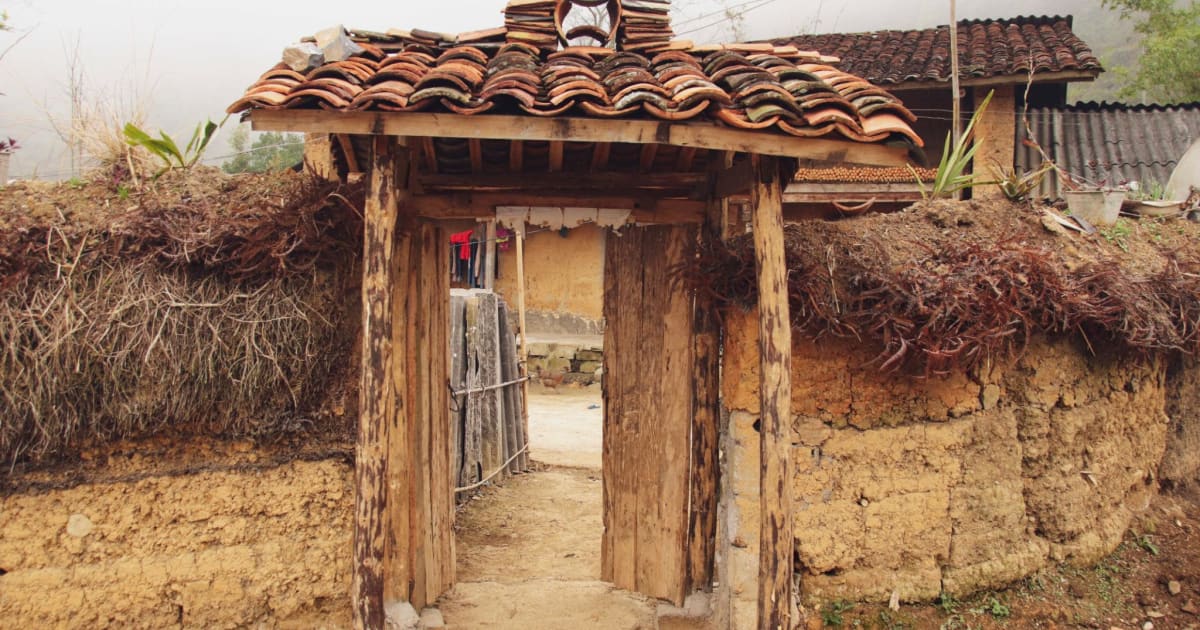
Lô Lô Chải Village - one of Vietnam's most intact ethnic minority villages, home to the Lô Lô people at the foot of Lũng Cú's Dragon Mountain, with traditional stone houses, distinctive indigo textiles, and a culture found nowhere else in the world.

📍 Pagoda
Long Sơn Pagoda
📍 khanh hoa
Long Sơn Pagoda is Nha Trang's most prominent religious site - an active Buddhist pagoda at the foot of a hill topped by a massive white seated Buddha, visible from across the city, with a mosaic dragon staircase and 152 stone steps to the summit viewpoint.

📍 Citadel
Mạc Dynasty Citadel
📍 cao bang
The Mạc Dynasty Citadel in Cao Bằng is one of Vietnam's most overlooked historical sites - a 16th-century mountain stronghold built by the Mạc lords after their retreat from Thăng Long, still partially standing in the borderlands near China.

📍 Tomb
Minh Mạng Tomb
📍 hue
Minh Mạng Tomb is the most architecturally ambitious of Huế's royal mausoleums - a vast symmetrical complex of lakes, bridges, pavilions, and temple halls spread across 28 hectares, built by the second Nguyễn emperor over 14 years on a hillside above the Perfume River.

🌿 Nature
Mũi Cà Mau National Park
📍 ca mau
Mũi Cà Mau National Park is the southernmost point of Vietnam's mainland - a UNESCO Biosphere Reserve of 42,000 hectares of mangrove, melaleuca forest, and tidal mudflat at the tip of the Cà Mau Peninsula, where the South China Sea meets the Gulf of Thailand.
🌿 Nature
Mũi Trọ Fishing Village
📍 binh thuan
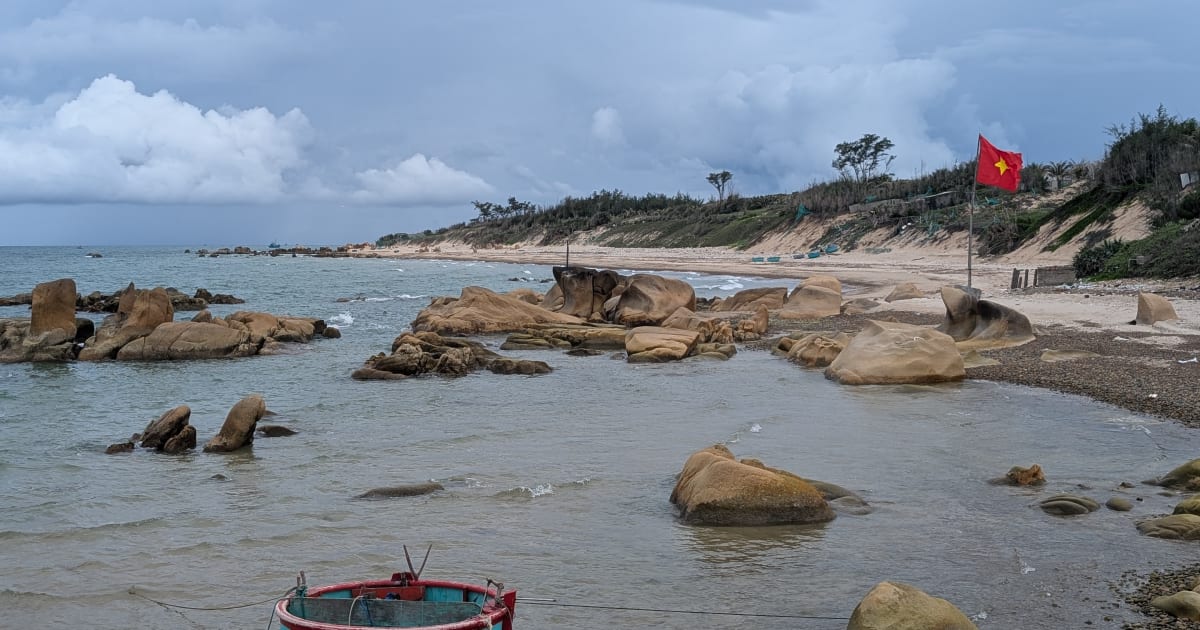
Mũi Trô is a tiny, nameless-on-most-maps fishing village on the Bình Thuận coast - a handful of houses, round basket boats, and a rocky pebble beach that almost no foreign traveler has visited, sitting 2km off the road near Cô Thạch beach.
🏯 Heritage
Mỹ Sơn Sanctuary
📍 quang nam
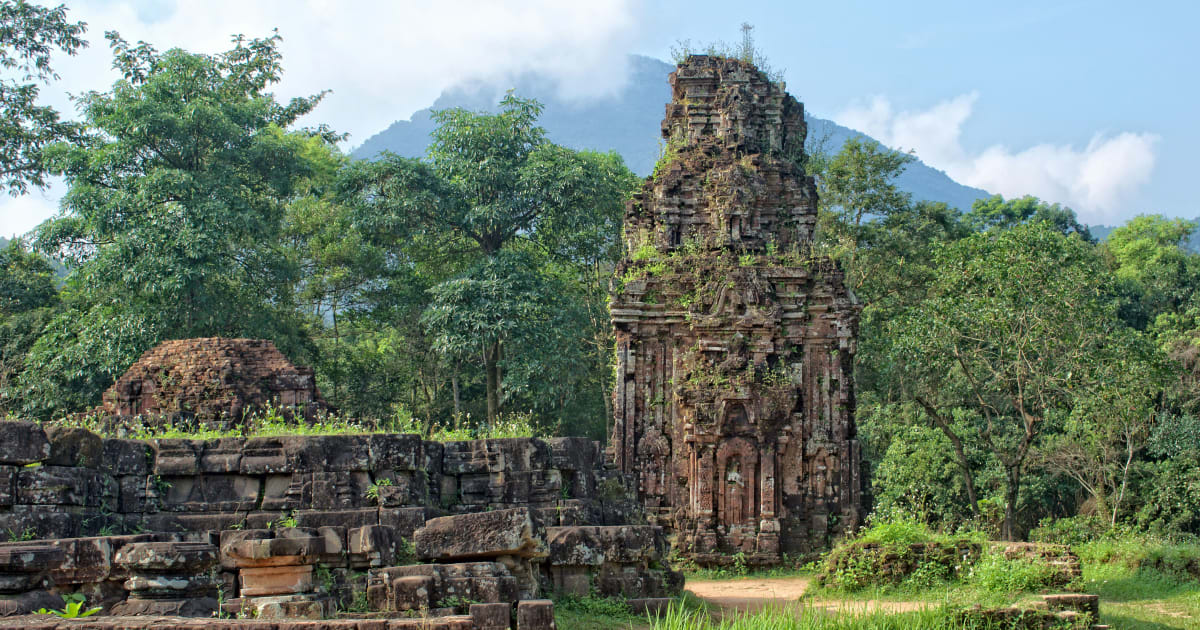
Mỹ Sơn Sanctuary is a UNESCO World Heritage Site in Quảng Nam - a valley of ancient Cham Hindu temples built between the 4th and 14th centuries, set against a backdrop of jungle-covered hills 40km west of Hội An.

⛩️ Temple
Ngoc Son Temple
📍 ha noi
Ngoc Son Temple is a 19th-century Taoist and Buddhist temple on a small island in Hoan Kiem Lake, reached via the iconic red Huc Bridge and housing a preserved specimen of the giant soft-shell turtle central to Hanoi's founding legend.

⛩️ Temple
Tháp Nhạn
📍 phu yen
Tháp Nhạn is an 11th–12th century Cham tower perched on Núi Nhạn in the heart of Tuy Hòa city, Phú Yên province. A Special National Relic since 2018, it overlooks the Đà Rằng River and the East Sea - accessible for free, beautifully lit at night, and one of the best-preserved Cham towers on Vietnam's central coast.
📍 Landmark
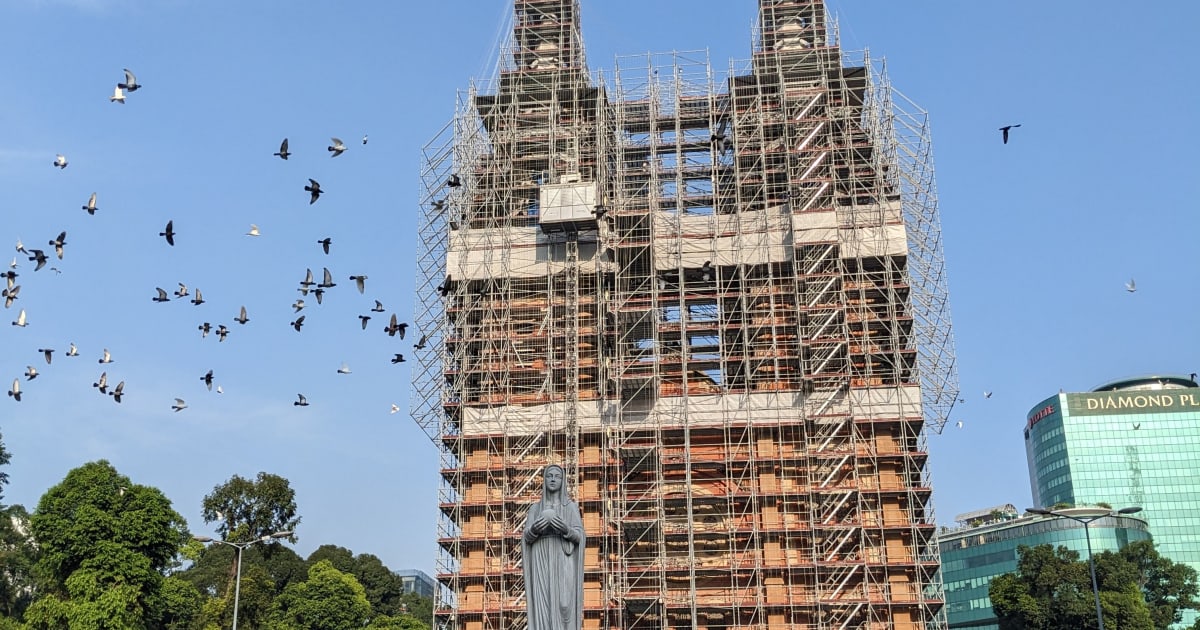
Notre-Dame Cathedral Saigon
📍 ho chi minh city
Notre-Dame Cathedral Saigon is a French colonial basilica built entirely from materials imported from France between 1863 and 1880, standing at the heart of District 1 as one of Ho Chi Minh City's most recognisable landmarks.
📍 Pagoda
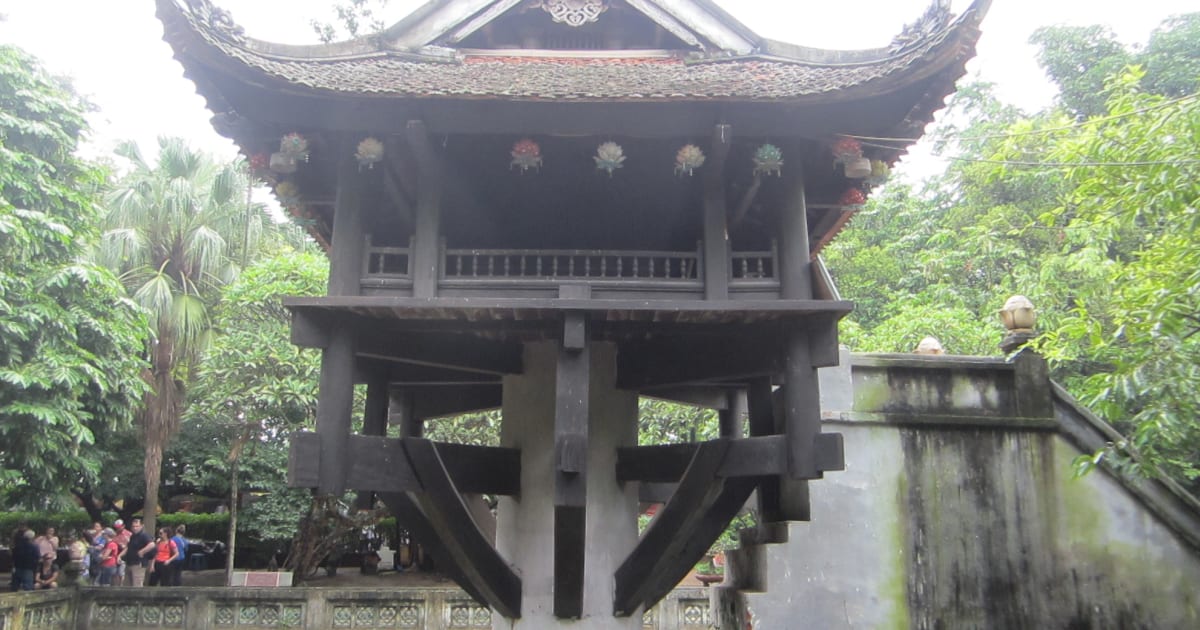
One Pillar Pagoda
📍 ha noi
The One Pillar Pagoda is one of Vietnam's most iconic structures - an 11th-century lotus-shaped Buddhist shrine rising from a square pond in central Hanoi, built by Emperor Lý Thái Tông and regarded as a symbol of the Vietnamese capital.

🌿 Nature
Phước Hải Fishing Village
📍 ba ria vung tau
Phước Hải is a working fishing village and beach in Bà Rịa-Vũng Tàu - a long sandy beach backed by a genuine fishing community, with a morning market, colorful boat harbor, and seafood restaurants that serve the daily catch at prices far below Vũng Tàu city.

🌿 Nature
Phước Tỉnh Fishing Village
📍 ba ria vung tau
Phước Tỉnh is one of the largest and most active fishing ports in southern Vietnam - a working harbor in Bà Rịa-Vũng Tàu where hundreds of fishing vessels dock daily, and the morning market is one of the most photogenic and genuine seafood scenes near Ho Chi Minh City.
🛒 Market
Phú Quốc Night Market
📍 kien giang
Phú Quốc Night Market in Dương Đông - the island's most atmospheric evening gathering, where seafood grills smoke over charcoal, vendors sell pearl jewelry and fish sauce, and the whole town comes out after dark.

🏖️ Beach
Ghềnh Đá Đĩa (Plate Rock Reef)
📍 phu yen
Ghềnh Đá Đĩa is a coastal basalt reef on Phú Yên's northern shore where hexagonal rock columns stack in tight formations directly into the sea - one of Vietnam's most distinctive geological formations and a growing photography destination.
⛩️ Temple
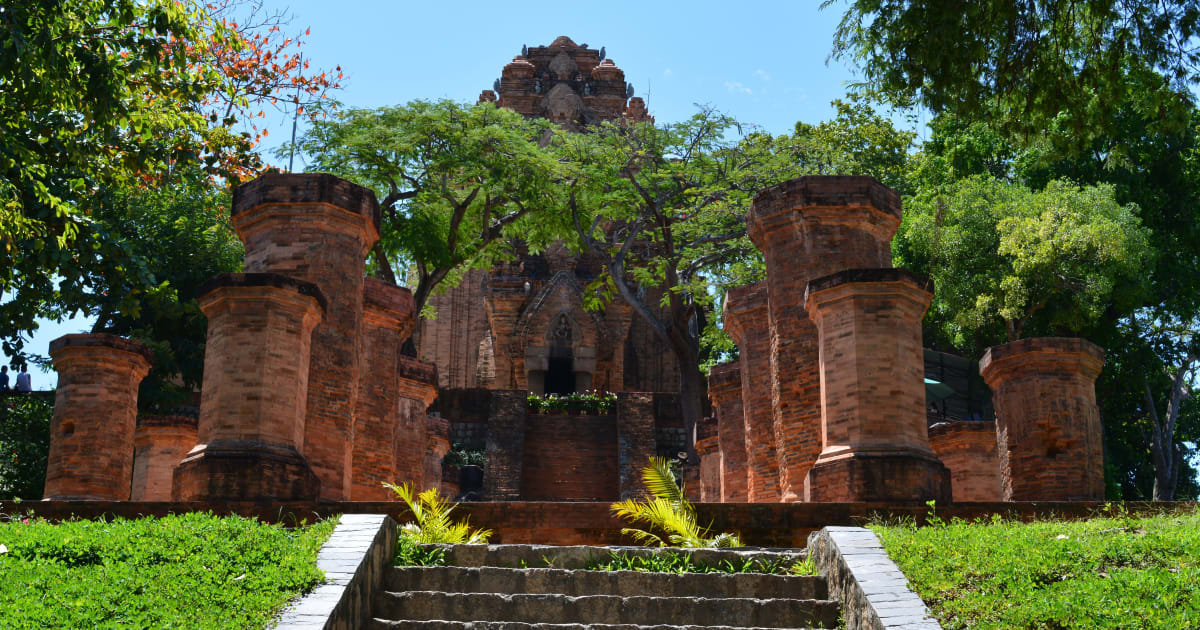
Po Nagar Cham Towers
📍 khanh hoa
Po Nagar Cham Towers are the best-preserved Cham temple complex in southern Vietnam - four brick towers built between the 7th and 12th centuries on a granite hill above the Cái River in Nha Trang, still used as an active place of Hindu and Buddhist worship.

💧 Waterfall
Pongour Waterfall
📍 lam dong
Pongour Waterfall is the widest waterfall in the Đà Lạt region - a 40-metre wide, seven-tiered cascade dropping through K'Ho minority land, 50km south of Đà Lạt city, famous for the annual full moon festival held at its base every January.
🏯 Heritage
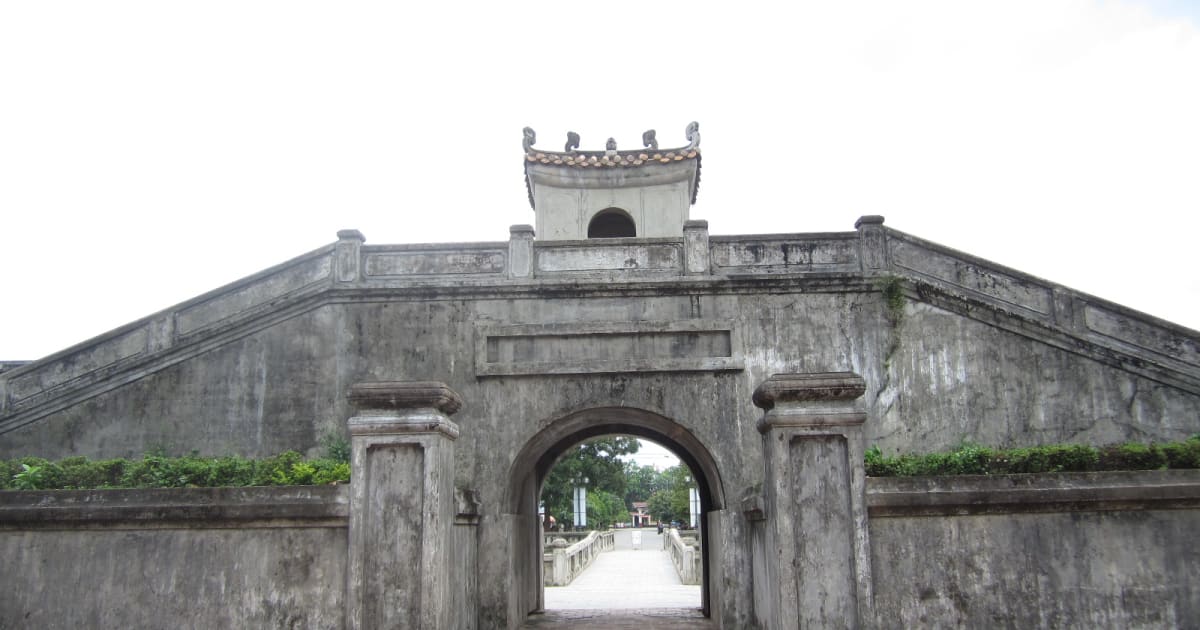
Quảng Trị Ancient Citadel
📍 quang tri
Quảng Trị Ancient Citadel is the most sacred war memorial in Vietnam - the site of the 81-day Battle of 1972 where thousands of North Vietnamese soldiers died defending the citadel against American airstrikes and South Vietnamese counterattacks.
🎎 Cultural
Rạch Vẹm Fishing Village
📍 kien giang
Rạch Vẹm is a quiet fishing village on the northern coast of Phú Quốc - known for Starfish Beach (Bãi Sao Biển), where hundreds of large starfish are visible in the shallow water, and for its mangrove coast and traditional fishing community untouched by the island's resort development.

🌿 Nature
Red Sand Dunes
📍 binh thuan
The Red Sand Dunes are Mũi Né's most accessible dune landscape - iron-oxide-stained sand in vivid shades of orange and red, 2km from the town centre, best at sunset when the low light deepens the colour and the fishing boats on the bay below glow in the same tones.

📍 Landmark
Saigon Central Post Office
📍 ho chi minh city
The Saigon Central Post Office is a functioning French colonial post office designed by Gustave Eiffel's firm and completed in 1891, featuring a stunning barrel-vaulted interior hall, vintage tile maps of Indochina, and a portrait of Ho Chi Minh — one of Ho Chi Minh City's most photographed colonial landmarks.

✨ Attraction
Ta Hien Street
📍 ha noi
Ta Hien Street is Hanoi's most famous nightlife street in the Old Quarter - a narrow lane packed with bia hơi (fresh draft beer) stalls, street food vendors, and bars where locals and travellers share plastic stools on the pavement every evening.

🌿 Nature
Ta Pa Fields
📍 an giang
Ta Pa Fields are a landscape of traditional floating rice paddies in the Seven Mountains region of An Giang province, submerged each flood season when the Mekong Delta rises. The combination of water-covered fields, distant mountain silhouettes, and Khmer stilt village architecture makes it one of the most distinctive seasonal landscapes in southern Vietnam.
⛩️ Temple
Ta Pa Temple
📍 an giang
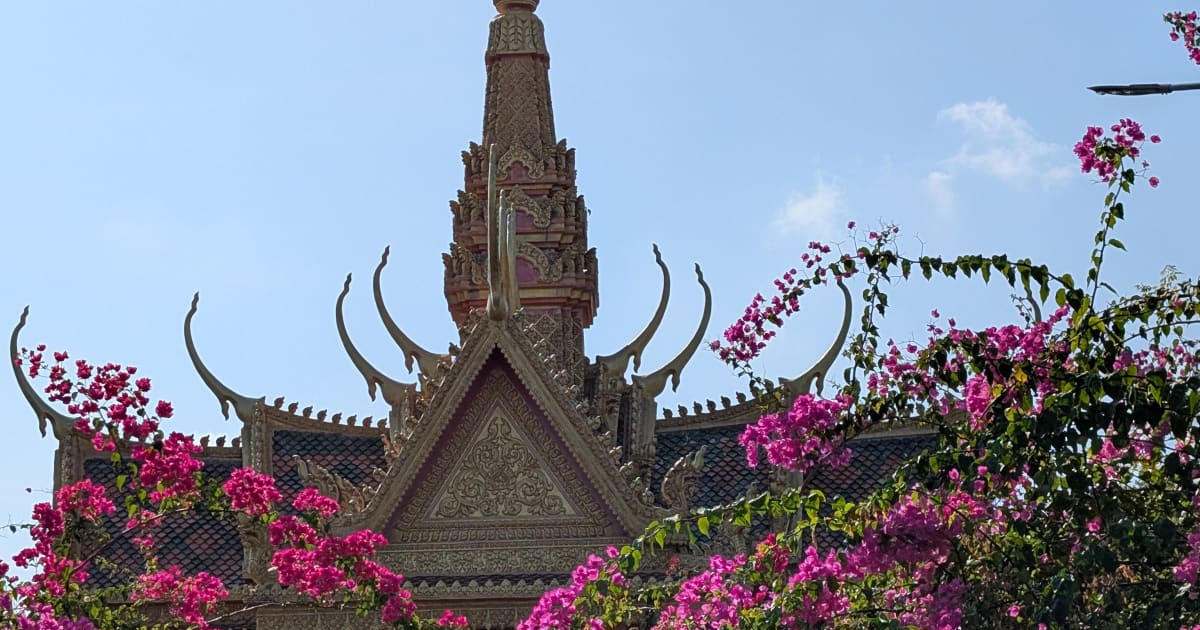
Ta Pa Temple is a Khmer Buddhist complex in An Giang's Thất Sơn hills, near Ba Chúc village - a site of deep religious significance and historical weight, associated with the 1978 Khmer Rouge massacres that killed over 3,000 Vietnamese civilians.

📍 Pagoda
Tây Phương Pagoda
📍 ha noi
Tây Phương Pagoda sits on a low hill 40km west of Hanoi and contains 74 remarkable wooden Buddhist statues from the 18th century - some of the finest examples of traditional Vietnamese sculpture, carved with an expressiveness that sets them apart from anything else in the country.

⛩️ Temple
Temple of Literature
📍 ha noi
The Temple of Literature in Hanoi is Vietnam's best-preserved example of traditional Vietnamese architecture - a Confucian temple complex built in 1070 that served as the country's first university for over 700 years, with five courtyards of pavilions, ponds, and stone steles recording the names of doctoral graduates.
🏘️ Town
Trà Quế Village
📍 quang nam
Trà Quế is a 200-year-old herb farming village 3km from Hội An Ancient Town - a dense patchwork of organic herb plots tended by hand using traditional methods, where visitors can join farmers for a morning, learn to cook Vietnamese dishes, and eat lunch in the fields.

📍 Pagoda
Tran Quoc Pagoda
📍 ha noi
Tran Quoc Pagoda is Hanoi's oldest Buddhist pagoda, dating to the 6th century AD and situated on a small peninsula in West Lake - its 11-tier pink stupa rising above the water is one of the most recognised images in Vietnamese Buddhism.

📍 History
Truong Son National Cemetery
📍 quang tri
Truong Son National Cemetery is the largest war cemetery in Vietnam, containing the graves of over 10,000 soldiers who died on the Ho Chi Minh Trail during the American War. Set on a hillside in Quang Tri province near the former DMZ, it is one of the most affecting war memorials in Southeast Asia.
📍 Tomb
Tự Đức Tomb
📍 hue
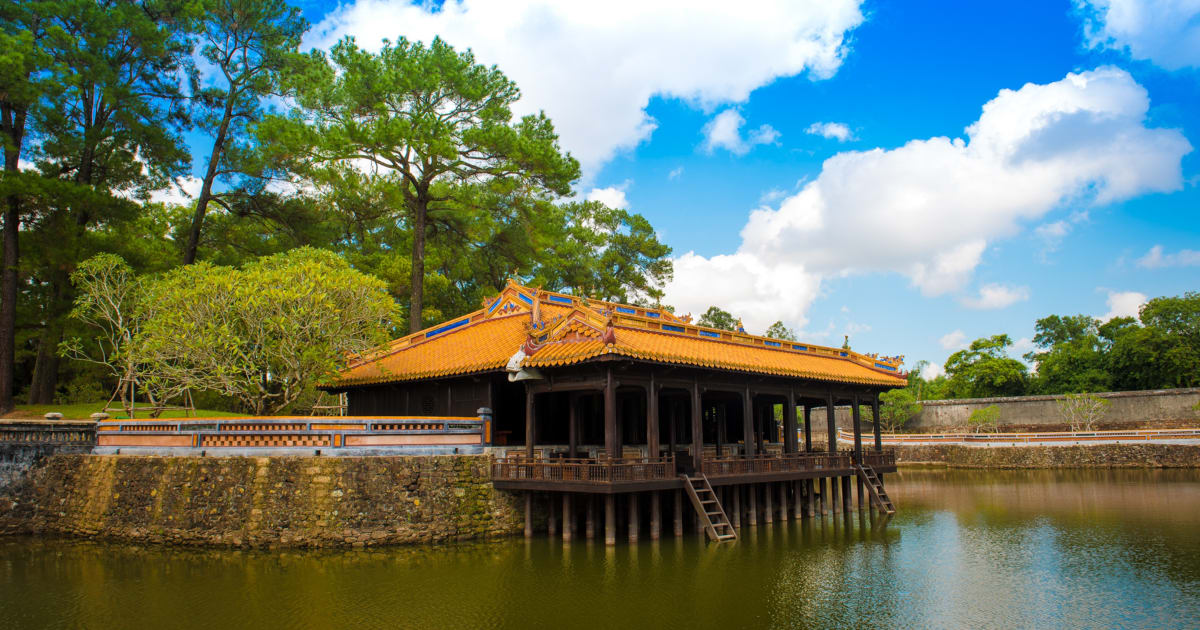
Tự Đức Tomb is the most garden-like of Huế's royal mausoleums - a romantic complex of pine forests, lotus ponds, and wooden pavilions built by Vietnam's most literary emperor, who spent years here composing poetry before his death in 1883.
🌿 Nature
Tuyền Lâm Lake
📍 lam dong
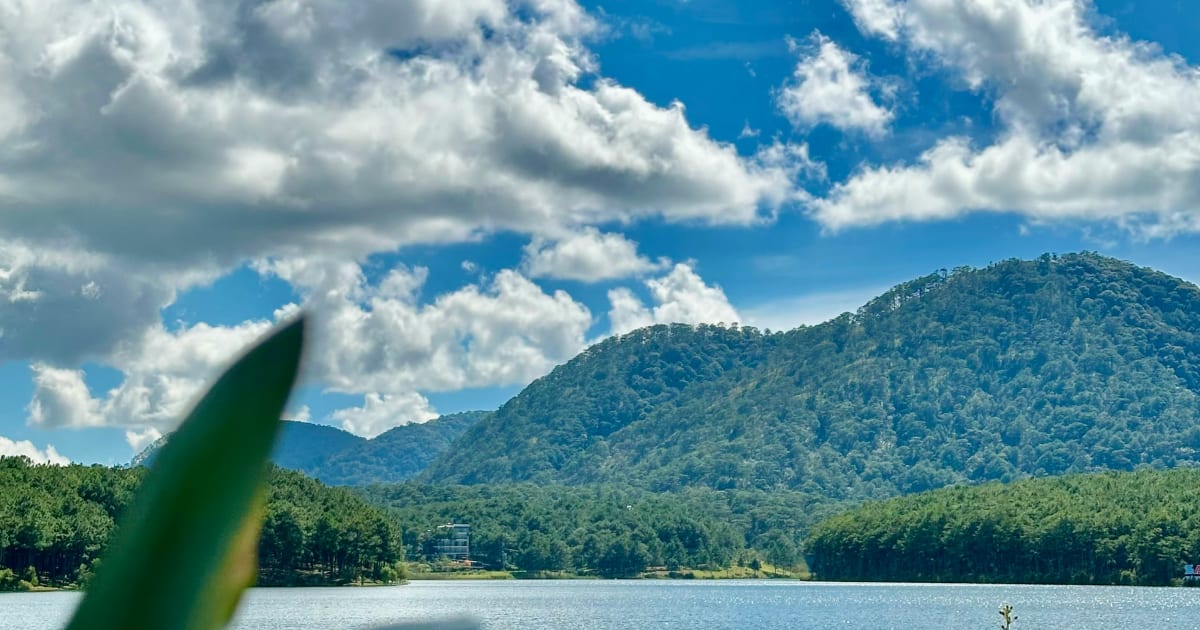
Tuyền Lâm Lake is Đà Lạt's largest reservoir - a 320-hectare expanse of calm water surrounded by pine forests, accessible by cable car, kayak, or bicycle, with Trúc Lâm Thiền Monastery on the hillside above the northern shore.
✨ Attraction
Vinpearl Safari
📍 kien giang
Vinpearl Safari is Vietnam's first and largest open-format wildlife park - 380 hectares of savannah and jungle habitat on Phú Quốc Island housing over 3,000 animals including lions, giraffes, white rhinos, zebras, and orangutans in semi-open enclosures.
✨ Attraction
VinWonders Phú Quốc
📍 kien giang
VinWonders Phú Quốc is Vietnam's largest theme park - a resort island connected to Phú Quốc by the world's longest over-sea cable car, with water parks, rides, aquariums, and a private beach on the northern tip of the island.
🌿 Nature
Vĩnh Trung Fields
📍 an giang
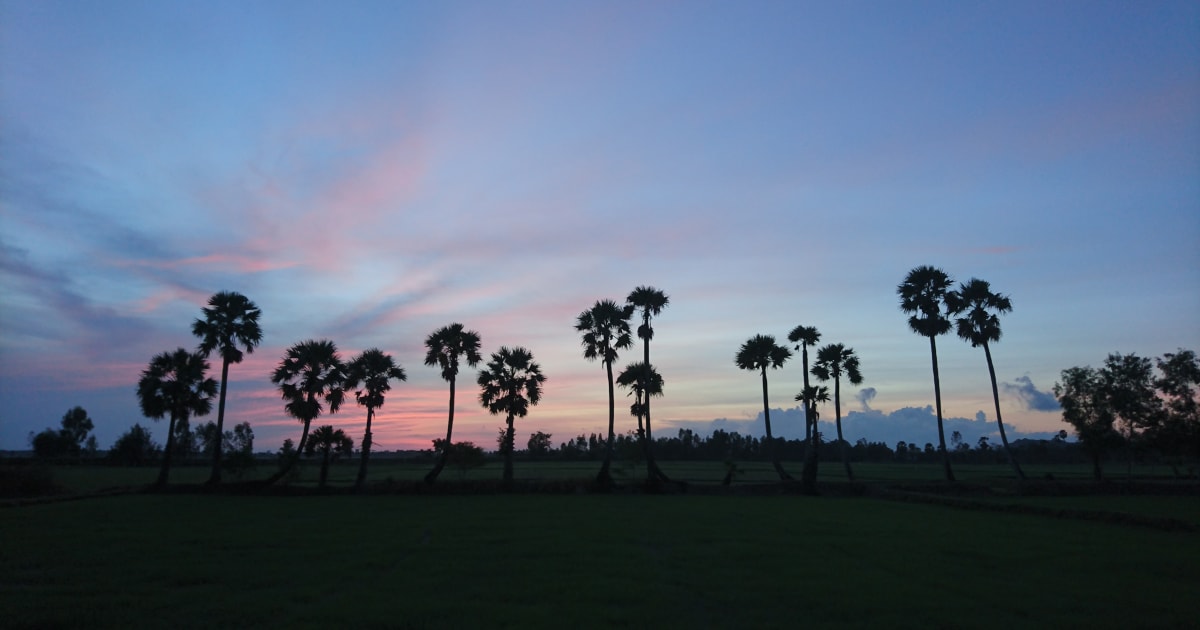
Vĩnh Trung Fields in Tịnh Biên district stretch across the flatlands beneath the Thất Sơn mountain range - a pastoral landscape of rice paddies, Khmer pagodas, and water buffalo with the dramatic profile of Núi Cấm rising from the plain.

📍 History
War Remnants Museum
📍 ho chi minh city
The War Remnants Museum in Ho Chi Minh City is Vietnam's most visited war museum, documenting the human cost of the Vietnam War through photographs, military hardware, and exhibits on the effects of Agent Orange — a sober and essential stop for understanding the country's modern history.
📍 Lake
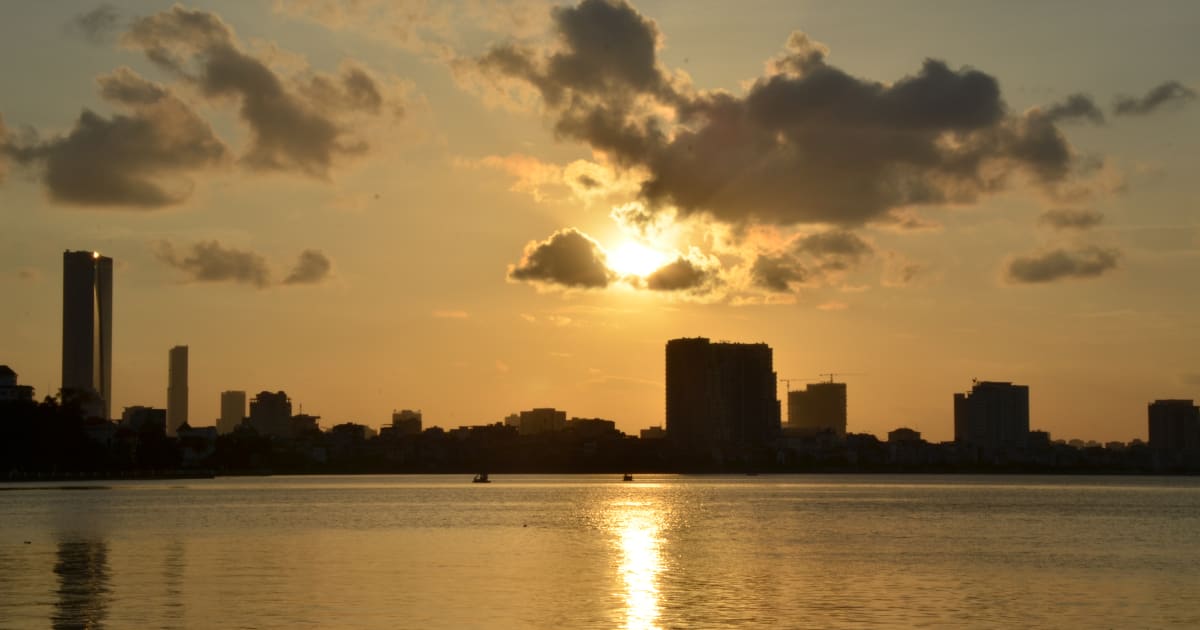
West Lake
📍 ha noi
West Lake is Hanoi's largest lake - a 500-hectare expanse in the Tây Hồ district ringed by upscale cafes, ancient pagodas, seafood restaurants, and a 17km cycling path that offers the most pleasant outdoor escape within the city limits.
Browse other experiences
Beaches41 placesTrekking76 placesCamping31 placesCaving11 placesSnorkeling18 placesKayaking20 placesFood21 placesCulture105 placesHistory69 placesPhotography214 placesMarkets4 placesNightlife7 placesCycling33 placesBoat Tours40 placesCable Cars6 placesHomestays10 placesWildlife37 placesMotorcycling30 placesShopping2 places