Overview
Things to Know
What Makes Ba Den Mountain Special
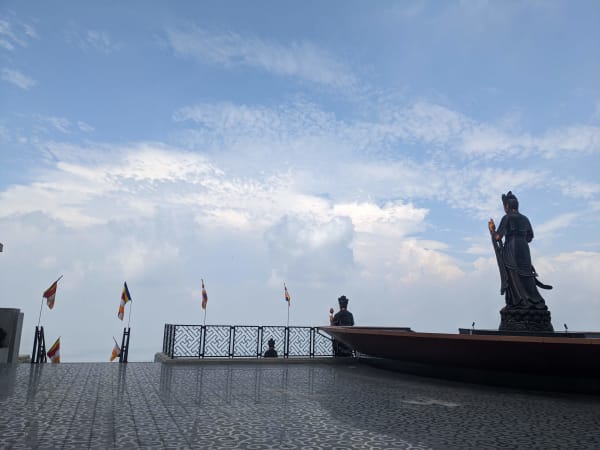
Ba Den Mountain rises to 986 metres from the flat agricultural plain of Tay Ninh province, making it the highest point in southern Vietnam and visible as a solitary massif from the Cambodian border to the outskirts of Ho Chi Minh City on clear days. The mountain's name - Black Lady Mountain - comes from the legend of Ly Thi Huong, a young woman who died on the mountain preserving her fidelity and was deified as the Ba Den Goddess, whose main temple sits on the lower slopes and draws pilgrims from across the south. The mountain has layered religious significance: it is simultaneously a site of Vietnamese folk religion centred on the goddess cult, a Buddhist site with multiple active pagodas across the mountain's three levels, and a location of historical Cao Dai significance given Tay Ninh's role as the religion's headquarters. A modern cable car system now carries visitors to the upper station near the summit, but trekking routes through the forest remain active and give access to temple complexes not served by the cable car.
Gallery




How to Get There
🚗 Getting There
Ba Den Mountain is 100km from Ho Chi Minh City, approximately 2 hours by motorbike or 2.5 hours by bus. Buses to Tay Ninh depart from Ho Chi Minh City's Mien Tay bus terminal. From Tay Ninh town, the mountain is 11km - reachable by xe om or taxi. The cable car base station has a large car park. For a day trip from Ho Chi Minh City, an early departure by 6:30 AM allows time to ride the cable car, trek down, visit the base temple, and return before evening.
What to Expect
👀 On the Ground
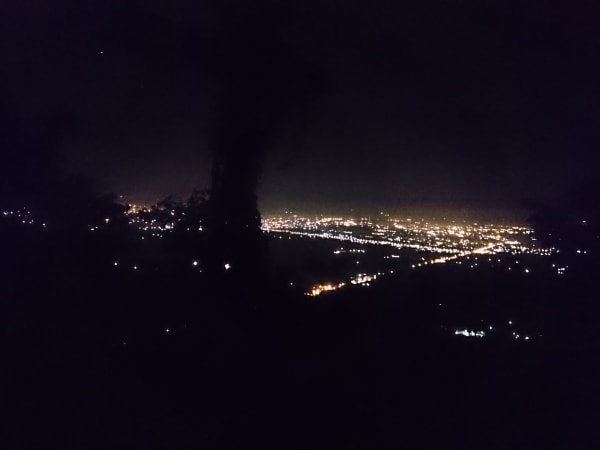
The cable car ascent takes approximately 15 minutes and deposits visitors at the upper station near the summit cluster of pagodas and prayer halls. The summit itself requires a further 20-minute walk up stone steps. On clear days the view from the top is remarkable - the entire Tay Ninh plain spreads below, with the Cambodian border visible to the northwest and the distant smudge of Ho Chi Minh City to the southeast. The descent by trekking trail passes through genuine montane forest with orchids, fig trees, and birds, with three distinct temple zones at different elevations. The lower temple complex near the base is the most elaborately decorated and the focus of the pilgrimage activity.
Travel Tips
🧳 Tips
Ba Den is one of those places that functions on two levels simultaneously - as a natural landscape attraction for tourists and as an active spiritual site for Vietnamese pilgrims, particularly from the south. The two groups largely coexist without friction but have quite different experiences of the same mountain. If the religious architecture and pilgrimage culture is of interest, spending time at the main Ba Den temple at the base - rather than rushing to the summit - gives more insight into how the site actually functions for its primary users. The combination of Ba Den with a visit to the Cao Dai Great Temple in Tay Ninh town (the noon ceremony is at 12:00 PM) makes a logical and contrasting full-day itinerary from Ho Chi Minh City.
Insider Tips
Based on real traveler experiences and commonly mentioned advice from multiple visitors.
FAQ
Common questions from travelers who've visited this place.
When is the best time to visit?›
What footwear should I wear?›
How long does the visit take?›
Nearby Locations
Explore more things to do like this around Vietnam