Overview
Things to Know
What Makes Bến Hải River & Hiền Lương Bridge Special
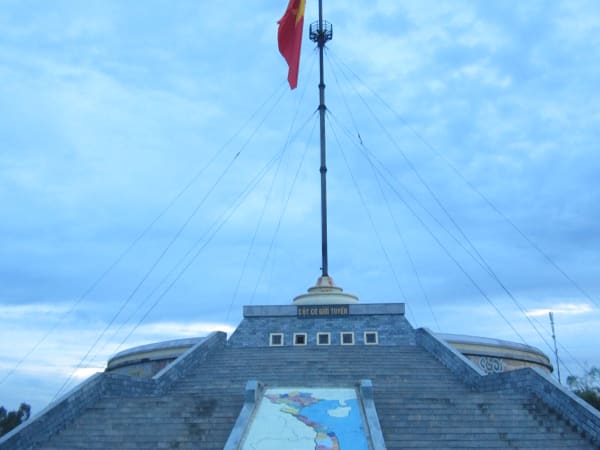
The Bến Hải River was, for 21 years, the line that divided Vietnam. Under the Geneva Accords of 1954, the river at the 17th parallel became the temporary demarcation line between North and South Vietnam - a partition intended to last two years until national reunification elections that never happened. The Hiền Lương Bridge across the river, on what was then Highway 1, became the physical symbol of that division: the north half painted red, the south half painted yellow, with a flagpole on each bank in a constant competition of height and flag size. Families separated overnight and did not reunite for over two decades. Today the bridge has been reconstructed and the site developed as a memorial. It is one of the most historically resonant points on the entire Vietnam War trail, and one of the least touristically inflated.
Gallery


How to Get There
🚗 Getting There
The Bến Hải River crossing is on National Highway 1A, approximately 22km north of Đông Hà and 100km north of Huế. By car or motorbike along Highway 1A, the bridge is clearly signposted. Đông Hà is the most practical base for DMZ exploration - it has good guesthouse options and is the hub from which most DMZ tour operators run day trips. The bridge is also accessible by local bus running between Đông Hà and Đồng Hới along Highway 1A.
What to Expect
👀 On the Ground
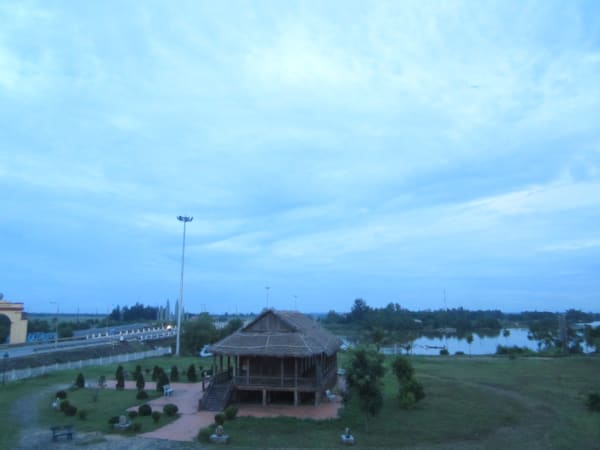
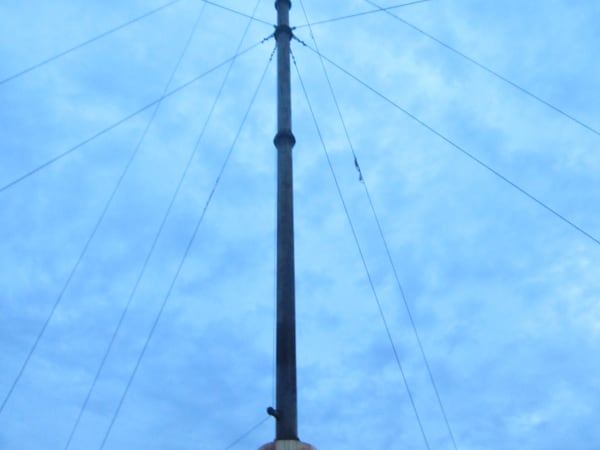
The site includes the reconstructed Hiền Lương Bridge across the river, the restored original flagpole (with the North Vietnamese flag flying), a small museum with wartime photographs and artifacts, and several memorials along the northern riverbank. The bridge itself is walkable and the crossing takes only a few minutes - the historical weight comes from understanding what you're standing on, not from the physical scale of the site. The surrounding landscape is flat, agricultural, and quiet. Allow 1–1.5 hours for the site with the museum.
Travel Tips
🧳 Tips
The Bến Hải River hits differently depending on how much history mày brings to it. Visitors who arrive knowing the Geneva Accords, the flag pole wars, and the personal stories of separation tend to find the site profoundly moving. Visitors who arrive cold often find it underwhelming - a small bridge over a small river. The right preparation is a half-hour of reading beforehand. The DMZ as a whole is one of the most historically dense corridors in Vietnam, and Bến Hải is its emotional center. It belongs on any serious itinerary through central Vietnam.
Insider Tips
Based on real traveler experiences and commonly mentioned advice from multiple visitors.
FAQ
Common questions from travelers who've visited this place.
Can I walk across the old bridge?›
Is the original bridge still standing?›
What should I know before visiting?›
Nearby Locations
Explore more things to do like this around Vietnam