Overview
Things to Know
What Makes Ho Dynasty Citadel Special
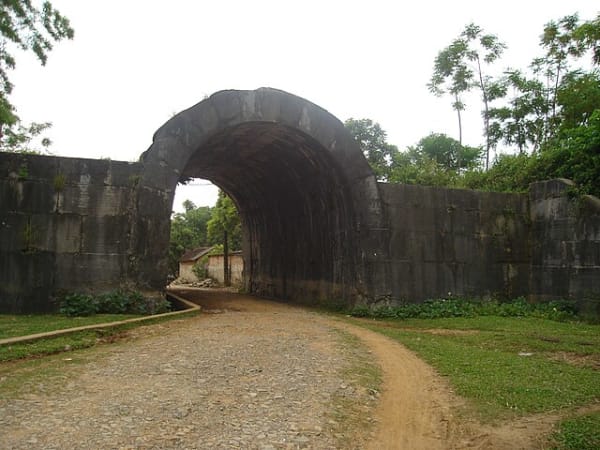
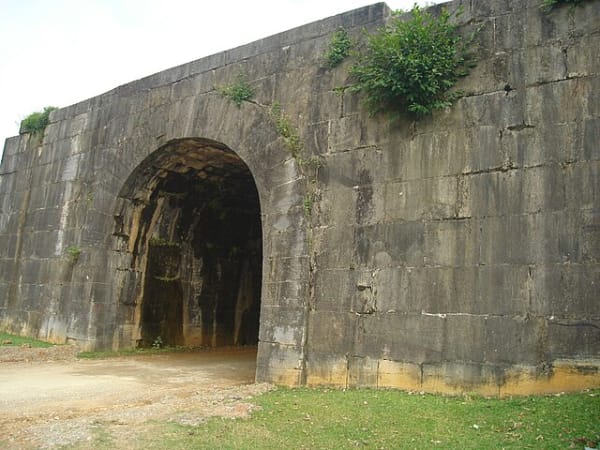
The Ho Dynasty Citadel stands in a low river valley in Vĩnh Lộc district, Thanh Hóa province, and represents one of the most extraordinary feats of pre-modern construction in Southeast Asia. Built between 1397 and 1400 under the direction of Hồ Quý Ly - the reformist mandarin who would overthrow the Trần dynasty and briefly establish the short-lived Hồ dynasty - the citadel was constructed from precisely cut blocks of green schist stone, some weighing up to 26 tonnes, fitted together without mortar with a precision that has kept the walls standing for over 600 years. The citadel served as the capital of Vietnam for just seven years before the Ming Chinese invaded and dismantled the Hồ dynasty in 1407. UNESCO recognised it as a World Heritage Site in 2011, citing its outstanding universal value as a unique example of late 14th-century Southeast Asian planned royal capital.
Gallery


How to Get There
🚗 Getting There
The Ho Dynasty Citadel is located approximately 45km west of Thanh Hoa city. By motorbike or car from Thanh Hoa city, follow Highway 45 west toward Vĩnh Lộc - the journey takes around 1 hour. From Hanoi, the total journey is approximately 160km south on Highway 1A to Thanh Hoa city, then west on Highway 45. Local buses run between Thanh Hoa city and Vĩnh Lộc town, from where xe ôm drivers can take visitors to the citadike. The citadel is not typically included in standard tour itineraries and requires independent planning to reach.
What to Expect
👀 On the Ground
The citadel walls form a near-perfect rectangle measuring 870 metres north-south by 883 metres east-west, with four stone gates positioned at the cardinal points. The South Gate and North Gate are the most intact, each built from three massive stone arches stacked to form a vaulted passage through the 5-metre-thick walls. The interior is largely open agricultural land - the original palace buildings were destroyed by the Ming occupiers - but the scale of the surviving walls and gates conveys the ambition of the original construction. A small museum near the entrance displays artefacts and explains the historical context of the Hồ dynasty. The surrounding rural landscape of rice paddies, low hills, and the Mã River valley is itself a significant part of the UNESCO listing.
Travel Tips
🧳 Tips
The Ho Dynasty Citadel rewards visitors who approach it with historical preparation - without context about the Hồ dynasty's brief and turbulent existence and the significance of the construction achievement, the largely empty interior can feel underwhelming. Reading about Hồ Quý Ly's radical reform program and the subsequent Ming invasion before visiting transforms the site into something genuinely haunting. The citadel sees very few foreign visitors and the local staff are accommodating to independent travellers. Budget 2-3 hours for a thorough walk of the walls and gates. Thanh Hoa city itself is a functional transit point with adequate accommodation if combining this with other regional sites.
Insider Tips
Based on real traveler experiences and commonly mentioned advice from multiple visitors.
FAQ
Common questions from travelers who've visited this place.
What is the entrance fee and how is it structured?›
How long does a typical visit take?›
What remains to see at the citadel?›
Explore more things to do like this around Vietnam