Overview
Things to Know
What Makes Dray Nur & Dray Sap Waterfalls Special
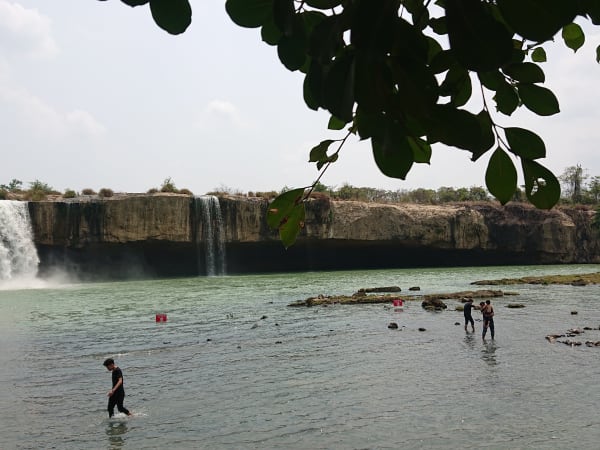
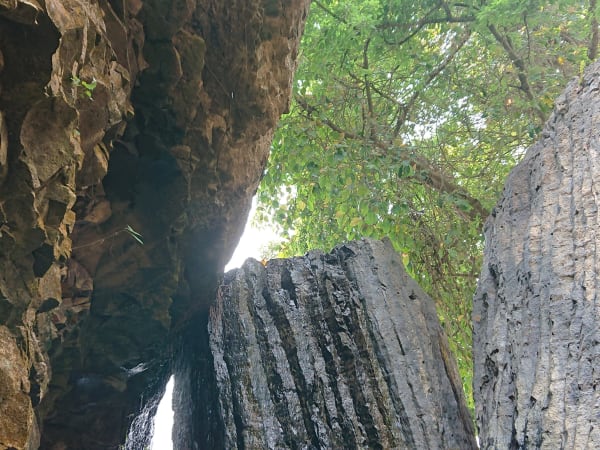
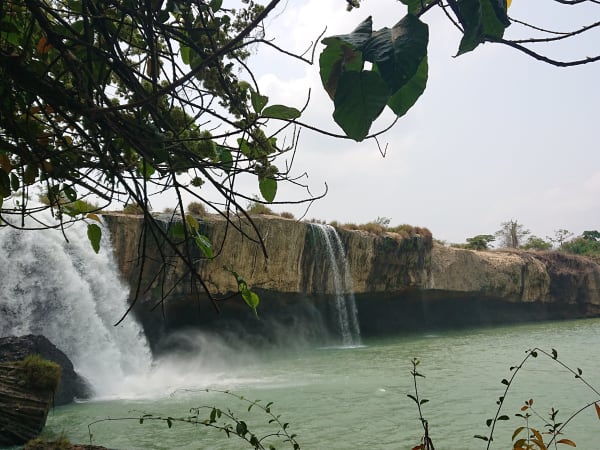
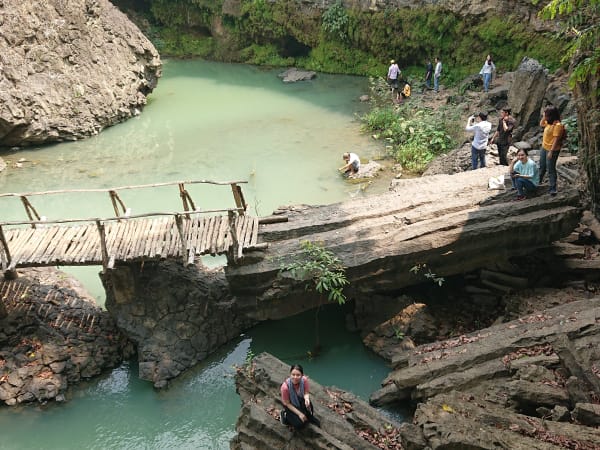
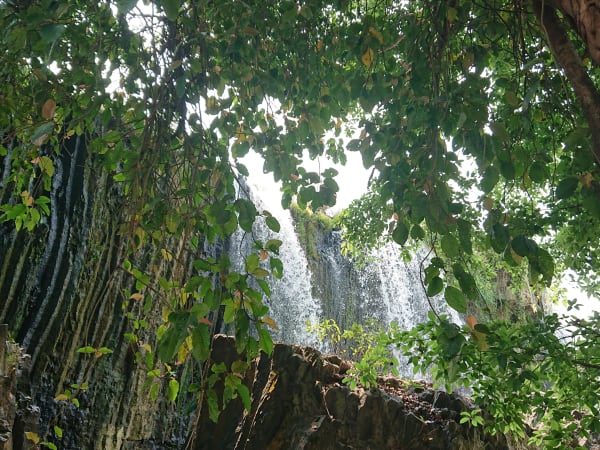
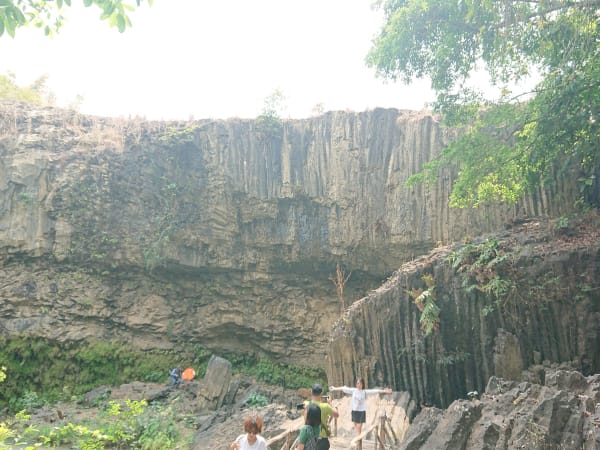
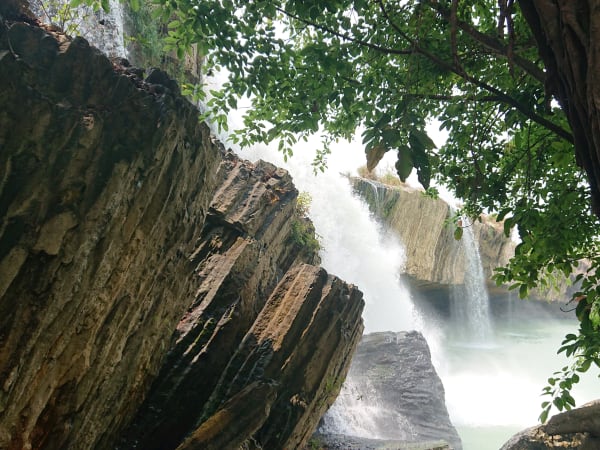
Dray Nur and Dray Sap are twin waterfalls on the Krông Ana river system, situated on the provincial boundary between Đắk Lắk and Đắk Nông in the Central Highlands. In the Ê Đê language of the local ethnic majority, Dray Sap means 'smoke waterfall' and Dray Nur means 'female waterfall' - the two are paired in local tradition as husband and wife falls. Dray Sap is the wider of the two, spanning over 100 metres at peak flow with a drop of around 30 metres; the volume of water during the rainy season generates a permanent mist cloud visible from a distance. Dray Nur, 3km upstream, is narrower but the trail reaches the base of the falls where the full scale of the drop is felt. Both waterfalls sit within a landscape of basalt plateau forest typical of the Central Highlands - a combination of secondary woodland, coffee plantations on the approach roads, and the red laterite soil characteristic of the region.
Gallery


How to Get There
🚗 Getting There
The waterfalls are located approximately 30km south of Buôn Ma Thuột, the capital of Đắk Lắk province. By motorbike from Buôn Ma Thuột, follow Highway 27 south toward Đắk Nông - the entrance to Dray Sap is clearly signposted from the main road, and the journey takes about 45 minutes. Dray Nur is reached from a separate entrance 3km from Dray Sap, or via the walking trail connecting the two. Organised day tours from Buôn Ma Thuột typically include both falls. The entrance roads pass through coffee-growing villages where the landscape changes from town to plantation to forest over a short distance.
What to Expect
👀 On the Ground
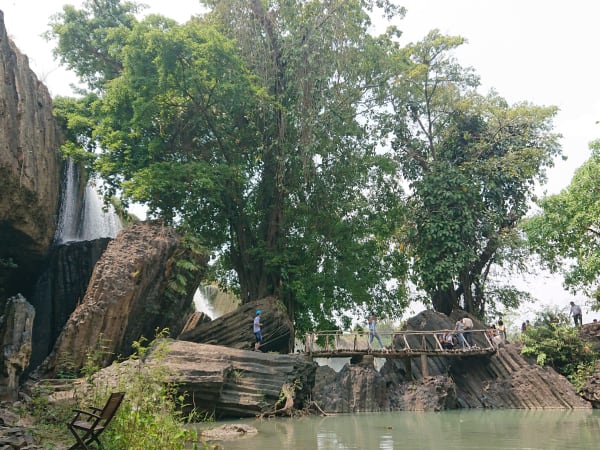
Each waterfall has its own entrance, ticket booth, and path to the viewing area. At Dray Sap, the path leads through forest to a viewing platform and then down to the riverbank where the full width of the falls is visible - the mist at close range is heavy enough to require rain gear at high water. The sound at full flow is loud enough to require raised voices for conversation. At Dray Nur, the path reaches the base pool where the falls drop directly into accessible water. The forest between and around the falls is secondary growth with some larger trees - bird activity is good in the early morning. The connecting trail between the two sites passes through relatively intact woodland.
Travel Tips
🧳 Tips
The twin falls are most rewarding when visited together rather than individually - the contrast between the scale of Dray Sap and the intimacy of Dray Nur gives the visit more dimension. The Central Highlands as a whole are undervisited relative to the coast, and Buôn Ma Thuột makes a useful base for combining the waterfalls with coffee culture (the city is the centre of Vietnamese coffee production), Ê Đê minority villages, and the elephant conservation work happening in the region. The falls themselves are genuinely impressive at peak flow - among the most powerful waterfalls accessible with minimal trekking in the southern half of Vietnam.
Insider Tips
Based on real traveler experiences and commonly mentioned advice from multiple visitors.
FAQ
Common questions from travelers who've visited this place.
What are the entrance fees?›
When is the best time to visit?›
How do I get there and what road conditions should I expect?›
Nearby Locations
Explore more things to do like this around Vietnam