Overview
Things to Know
What Makes Mẫu Sơn Mountain Special
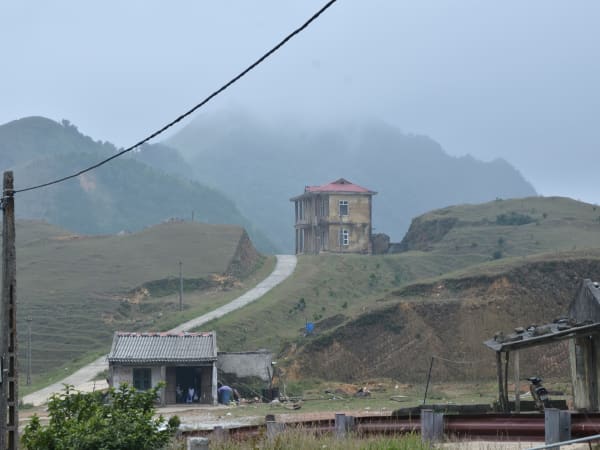
Mẫu Sơn is a highland massif rising to 1,541m in Lộc Bình district of Lạng Sơn province, approximately 30km east of Lạng Sơn city and close to the Chinese border. It is one of the few locations in Vietnam that experiences genuinely subalpine winter conditions - temperatures regularly drop below 0°C in December and January, and snowfall, while infrequent, does occur during severe cold events driven by cold air masses from southern China. The mountain sits in the northeastern highlands, a region of limestone karst, dense forest, and minority communities (primarily Tày and Nùng) that has historically been more connected to southern China than to the lowland Vietnamese cultural sphere. The combination of the cold-climate reputation, the cloud sea views, and the relative accessibility from Hanoi - about 4 hours - has made Mẫu Sơn increasingly popular with Vietnamese visitors seeking highland scenery without the long journey to the northwest.
Gallery




How to Get There
🚗 Getting There
Mẫu Sơn is approximately 170km northeast of Hanoi via National Highway 1A and National Highway 4B - about 3.5 - 4 hours by car or 4-5 hours by motorbike. Lạng Sơn city is the transit point; from there, the mountain road to Mẫu Sơn summit area is 30km and takes about 1 hour by motorbike on the winding ascent. Buses run from Hanoi to Lạng Sơn city regularly; from Lạng Sơn, motorbike taxi or rented motorbike covers the mountain road. The road is paved throughout but steep and narrow on the upper section.
What to Expect
👀 On the Ground
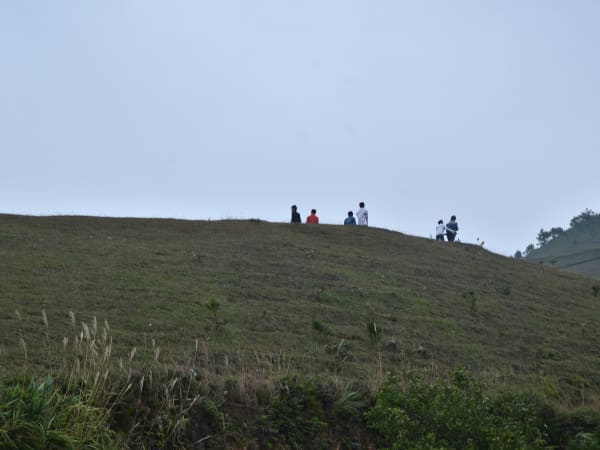
The lower slopes are forested with temperate species including pine and oak, transitioning to sub-montane scrub near the summit area. The upper plateau has guesthouses, a few restaurants, and walking trails through the summit area. On clear winter mornings the views extend over the Lạng Sơn lowlands and toward China. In the cold season the temperature can feel extreme by Vietnamese standards - locals wear padded jackets and visitors from the south are reliably unprepared. The frost on vegetation and occasional ice on the road surface in December and January are genuine, not tourist performance. Cloud sea conditions produce striking photography from the summit when valley cloud fills below the ridgeline.
Travel Tips
🧳 Tips
Mẫu Sơn fills a specific niche in northern Vietnam travel: accessible enough from Hanoi for a weekend trip, cold enough in winter to feel genuinely different from lowland Vietnam, and northeast enough to be off the standard tourist circuit that concentrates on the northwest. If mày is in Hanoi in December or January and wants to experience what passes for a Vietnamese winter, Mẫu Sơn is the practical choice. The snow headline is real but unreliable - treat it as a possibility rather than a guarantee and the visit delivers on its own terms regardless of the weather. Combining with Lạng Sơn city's markets and the nearby Bắc Sơn valley (50km west) makes a proper 2-day northeast circuit.
Insider Tips
Based on real traveler experiences and commonly mentioned advice from multiple visitors.
FAQ
Common questions from travelers who've visited this place.
Which location should I navigate to on Google Maps?›
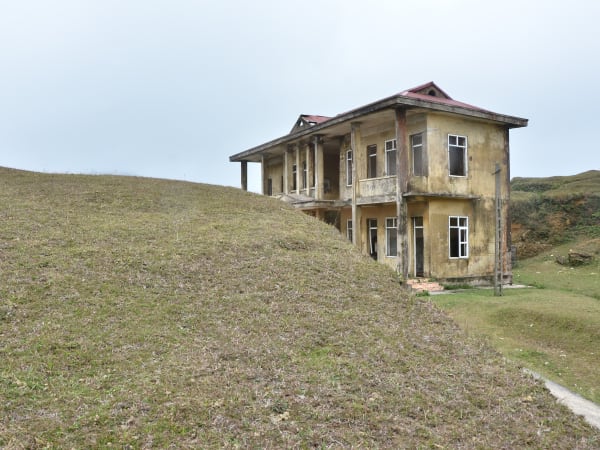
What is the current condition of facilities at the peak?›
When is the best time to visit for clear views?›
Nearby Locations
Explore more things to do like this around Vietnam