Overview
Things to Know
What Makes Bù Gia Mập National Park Special
Bù Gia Mập National Park protects 26,000 hectares of lowland and transitional rainforest in the northern corner of Bình Phước province, on the border with Cambodia. The park is one of the last significant blocks of primary lowland forest remaining in southeastern Vietnam - a forest type that once covered the entire region but has been largely cleared for agriculture and rubber plantation over the past century. The continuous forest cover across the Cambodian border creates a larger protected landscape that supports wildlife populations including yellow-cheeked gibbons, gaur, Asian elephant, sun bear, and a primate community that includes several globally threatened species. The park is among the least visited national parks in southern Vietnam, which means the wildlife has been subject to less hunting pressure than in more accessible areas and the forest itself is in better condition.
Gallery






How to Get There
🚗 Getting There
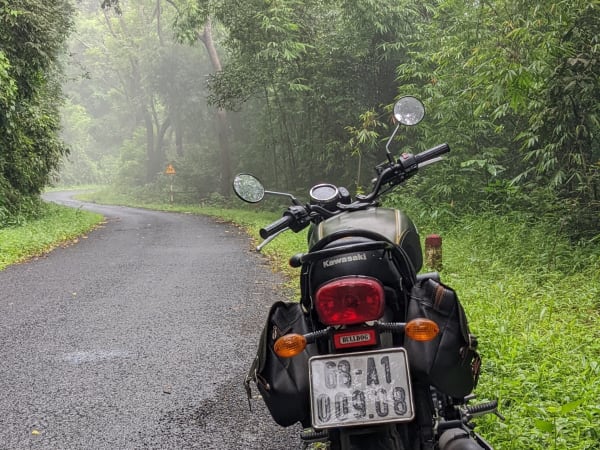
Bù Gia Mập National Park is located in Bù Gia Mập district, approximately 200km north of Ho Chi Minh City and 50km north of Đồng Xoài, the Bình Phước provincial capital. By car from HCMC, follow Highway 13 north through Bình Dương and Bình Phước - the journey takes around 4 hours. By motorbike the route is the same but longer. The park headquarters is in Bù Gia Mập commune; the road from Đồng Xoài is paved but the final section to the park entrance passes through rubber plantation and the road quality varies. There is no practical public transport to the park - private vehicle or organised tour is required.
What to Expect
👀 On the Ground
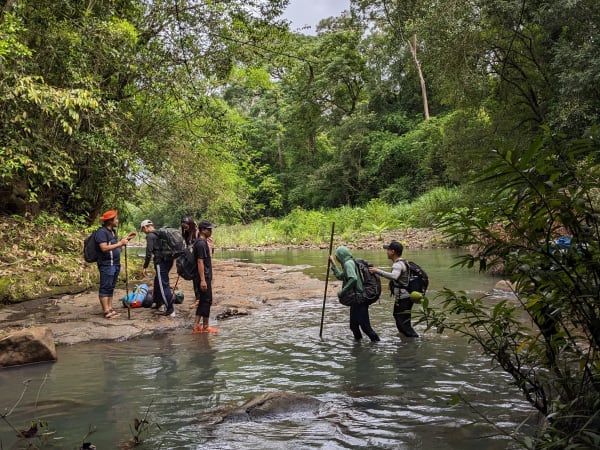
The park offers guided day walks and multi-day camping treks into the forest interior. Day walks from the headquarters pass through secondary and primary forest with good bird activity and the possibility of mammal signs - tracks, droppings, and feeding evidence. The primary forest sections have a different character from the disturbed forest near the entrance: closed canopy, large buttressed trees, and the density of old-growth jungle. Gibbon calls at dawn are one of the reliable wildlife highlights - the yellow-cheeked gibbon's song carries far through the forest and is one of the more striking natural sounds in Southeast Asia. Multi-day treks reach deeper into the core zone where wildlife encounters are more likely.
Travel Tips
🧳 Tips
Bù Gia Mập is for travellers who specifically want primary rainforest and are willing to invest the logistics required to reach it. The park is genuinely remote by southern Vietnamese standards and the tourist infrastructure is minimal - which is precisely what makes it interesting. The Bình Phước highlands have a different character from both the Mekong Delta to the south and the Central Highlands further north: a landscape of rubber and cashew plantations interrupted by the forest remnants of which Bù Gia Mập is the most significant. For wildlife-focused travellers who have already visited Cát Tiên, Bù Gia Mập offers a more remote and less visited alternative with a comparable mammal fauna.
Insider Tips
Based on real traveler experiences and commonly mentioned advice from multiple visitors.
FAQ
Common questions from travelers who've visited this place.
What permits do foreigners need to visit?›
What is the best time to visit?›
How do I navigate the roads safely?›
Nearby Locations
Explore more things to do like this around Vietnam