Overview
Things to Know
What Makes Bãi Môn Beach Special
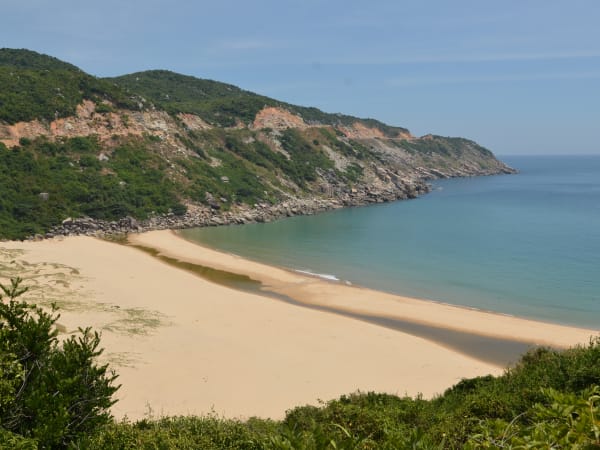
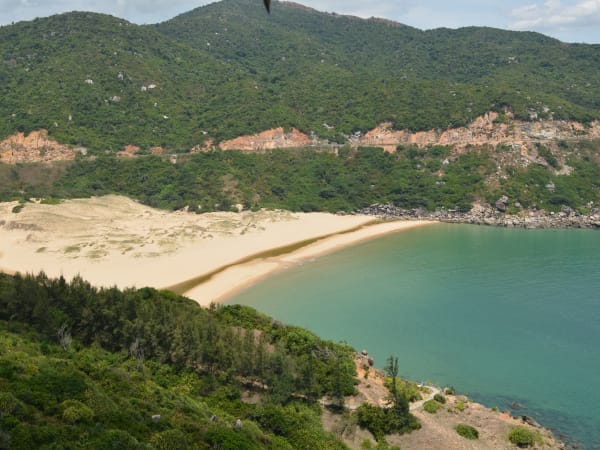
Bãi Môn is a small, crescent-shaped beach tucked beneath the cliffs of Mũi Điện, the prominent headland at the northeastern tip of Phú Yên province. The beach is known for two things: its exceptional seclusion, reachable only on foot via a trail from the lighthouse road, and its claim to be among the first beaches in mainland Vietnam to catch the sun each morning. The headland blocks prevailing winds from the north, keeping the water unusually calm and clear even when the wider coast is choppy. The sand is white and the beach is backed by low coastal scrub rather than development - there are no restaurants, no sun loungers, and on most days, very few people. The combination of a short but rewarding approach, a genuinely pristine beach, and the theatrical sunrise over the South China Sea has made Bãi Môn increasingly known among Vietnamese photographers and travellers, though it remains well below the radar internationally.
Gallery



How to Get There
🚗 Getting There
Bãi Môn is reached from Đại Lãnh beach village, which lies on the coastal road (Highway 1) approximately 60km north of Nha Trang and 40km south of Tuy Hòa. From Đại Lãnh, follow the road north toward Mũi Điện for 8km to the lighthouse road junction. The trail to Bãi Môn begins near the lighthouse area and descends to the beach in about 20 minutes on foot. Motorbike is the standard way to reach the trailhead from Đại Lãnh. Đại Lãnh itself is served by buses running along Highway 1 between Nha Trang and Tuy Hòa.
What to Expect
👀 On the Ground
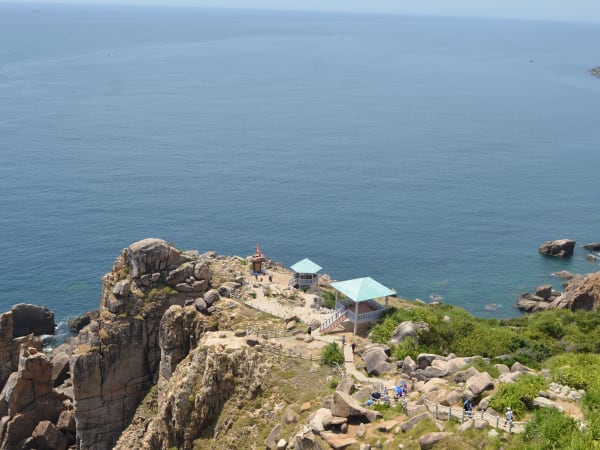
The approach path descends through coastal vegetation before the beach opens below - the first view of the cove, with its crescent of white sand and the headland framing the sea, is one of the best arrival moments on Vietnam's central coast. The water is clear and the bottom sandy rather than rocky, making entry easy. The beach is small - perhaps 200-300 metres long - and rarely crowded. The light in the early morning, when the sun clears the horizon directly in front of the beach, is genuinely spectacular. After swimming, the walk up to the Mũi Điện lighthouse adds a different perspective: the cliff-top view back toward Đại Lãnh and south toward the Phú Yên coastline is one of the most dramatic on this section of the coast.
Travel Tips
🧳 Tips
For the sunrise experience, stay overnight in Đại Lãnh village and leave by motorbike at 4:30 AM - arrive at the trailhead before first light and descend to the beach in darkness to be in position as the horizon turns. The trail is safe with a torch. Đại Lãnh has several guesthouses and seafood restaurants that are cheap by any measure - the village itself is worth a half-day, with a long public beach and a fishing harbour. Mũi Điện and Bãi Môn work naturally together as a combined half-day stop on a Nha Trang to Quy Nhơn coastal motorbike route.
Insider Tips
Based on real traveler experiences and commonly mentioned advice from multiple visitors.
FAQ
Common questions from travelers who've visited this place.
Can I swim at Bãi Môn?›
What are the entrance fees?›
What should I bring?›
Nearby Locations
Explore more things to do like this around Vietnam