Overview
Things to Know
What Makes O Quy Ho Pass Special
O Quy Ho Pass crosses the Hoàng Liên Sơn mountain range at 2,090 metres above sea level, making it the highest and longest mountain pass in Vietnam at approximately 50 kilometres from the outskirts of Sapa to the valley floor near Lai Châu city. The pass connects Lào Cai and Lai Châu provinces along Highway 4D, winding through a landscape that transitions dramatically from the terraced valley culture around Sapa through dense cloud forest at the summit to the wilder, less-visited terrain of the Lai Châu side. For riders doing the Northwest Loop - the classic multi-day motorbike circuit through the mountainous northwest - O Quy Ho is the defining stretch, combining sustained elevation, extraordinary views, and a genuine sense of remoteness that the more visited Mã Pí Lèng Pass in the northeast cannot match for sheer scale.
Gallery



How to Get There
🚗 Getting There
O Quy Ho Pass begins approximately 12km from Sapa town on Highway 4D heading toward Lai Châu. From Sapa, follow the main road past Thác Bạc waterfall - the pass begins immediately after. The Lai Châu entry point is approximately 20km east of Lai Châu city. Most riders approach as part of the Northwest Loop from Hanoi (via Highway 6 through Hoà Bình and Sơn La, or via Lào Cai and Sapa). The pass is accessible by car and motorbike; buses between Sapa and Lai Châu cross it daily. Independent motorbike rental is available in both Hanoi and Sapa.
What to Expect
👀 On the Ground
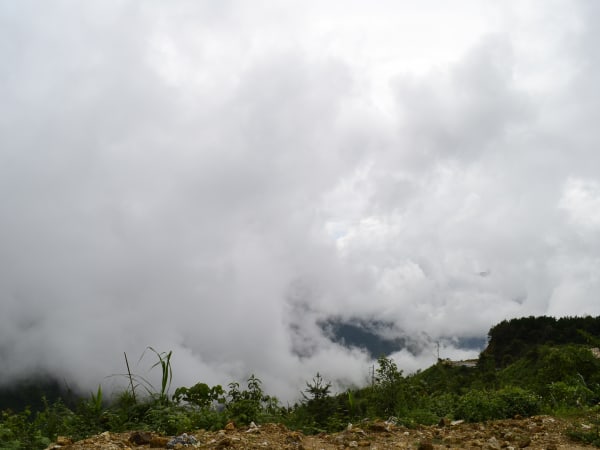
The Sapa side of the pass climbs gradually through pine forest to the Cổng Trời viewpoint, where on clear mornings a sea of cloud fills the valley below with only the highest ridges visible above it. The summit area is often in mist with temperatures significantly below the Sapa valley. The descent into Lai Châu is the more dramatic section - long, winding switchbacks drop through exposed rock faces and increasingly lush subtropical vegetation as altitude decreases. The Lai Châu side of the pass is significantly less visited than the Sapa side, with fewer guesthouses and food stops but more authentic local villages and a more rugged character. The entire 50km stretch rewards slow riding with frequent stops.
Travel Tips
🧳 Tips
O Quy Ho is best understood as a journey rather than a destination - the experience is in the riding or driving of it, not in reaching a single viewpoint. Plan for at least half a day to cross it properly; riders who attempt to rush through miss both the photography opportunities and the physical experience of being in a genuinely high mountain environment. The pass is a core section of the Northwest Loop, typically done over 4-6 days from Hanoi via Điện Biên Phủ and Mù Cang Chải. Solo first-time riders should be comfortable with mountain road conditions before attempting it.
Insider Tips
Based on real traveler experiences and commonly mentioned advice from multiple visitors.
FAQ
Common questions from travelers who've visited this place.
When is the best time to visit O Quy Ho Pass?›
Is a motorbike or car better for this route?›
How long does it take to visit from Sa Pa?›
Explore more things to do like this around Vietnam