Overview
Things to Know
What Makes Khau Phạ Pass Special
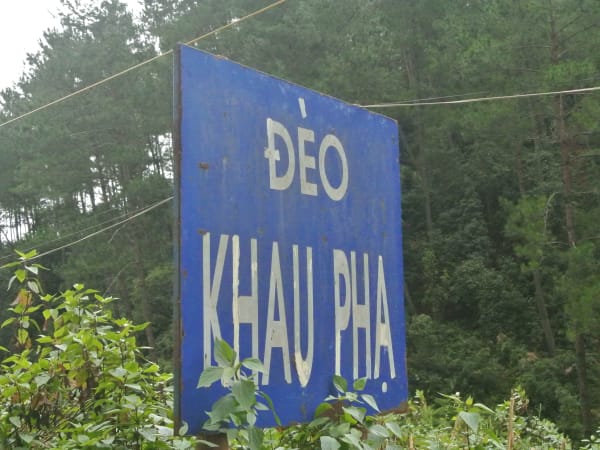
Khau Phạ Pass is ranked among Vietnam's tứ đại đỉnh đèo - the four great mountain passes - alongside Ô Quy Hồ, Pha Đin, and Mã Pí Lèng. At approximately 1,200m above sea level, it crosses the Hoàng Liên Sơn range between Tú Lệ valley in Văn Chấn district and the Mù Cang Chải plateau in Yên Bái province, covering about 30km of mountain road through terrain that drops several hundred meters on both sides. The name Khau Phạ means 'Horn of the Sky' in the local Thái language - a name that describes the cloud-shrouded summit accurately. The pass is the gateway to Mù Cang Chải, which holds Vietnam's most photographed rice terraces, and the descent toward those terraces from the pass summit is one of the most celebrated stretches of road in the country.
Gallery



How to Get There
🚗 Getting There
Khau Phạ Pass connects Nghĩa Lộ and Tú Lệ to the east with Mù Cang Chải to the west, on National Highway 32. From Hanoi, the standard route is Highway 32 west through Sơn Tây and Nghĩa Lộ to Tú Lệ - approximately 280km, taking 6-7 hours by motorbike or 5-6 hours by car. Tú Lệ is the last town with fuel, food, and accommodation before the pass. From the west, Mù Cang Chải town is the base for the Mù Cang Chải rice terrace area and sits at the foot of the pass on the western side. The pass is an integral part of the Mù Cang Chải motorbike circuit from Hanoi.
What to Expect
👀 On the Ground
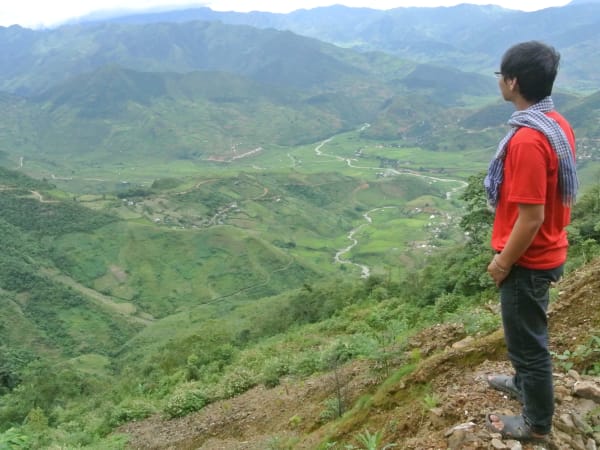
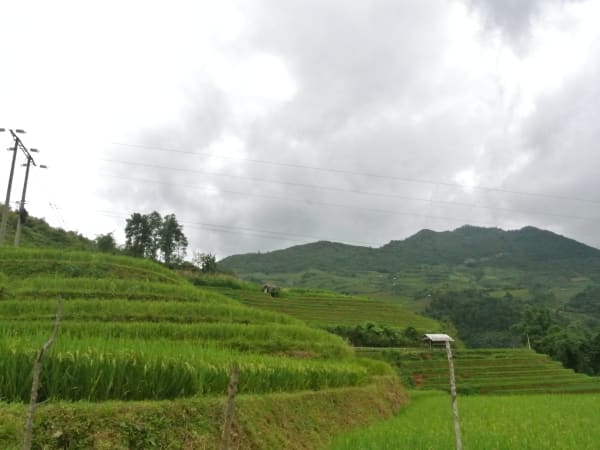
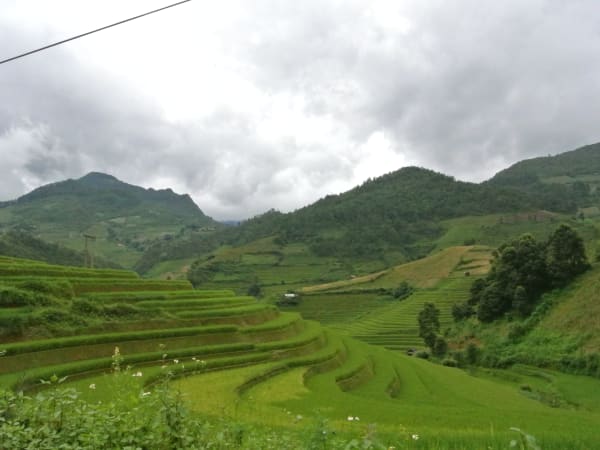
The road climbs through dense forest on the eastern approach from Tú Lệ, breaking into open views as it nears the summit. At the top, on clear days, the rice terraces of Mù Cang Chải's La Pán Tẩn and Chế Cu Nha communes are visible cascading down the western slopes - the full panoramic view that appears on most Mù Cang Chải photography. The descent toward Mù Cang Chải is the most spectacular section: switchbacks dropping through terraced fields with the valley floor far below. The road is paved throughout but requires full attention - truck traffic, motorbikes, and the occasional landslide debris demand steady riding. Roadside viewpoints have developed organically at the best vantage points.
Travel Tips
🧳 Tips
Khau Phạ is not just a road to Mù Cang Chải - it is itself one of the defining experiences of the northern Vietnam motorbike circuit. The combination of the Tú Lệ approach through valley farmland, the forest climb to the pass, and the vertiginous descent into the terrace landscape below is a sequence that most riders remember as one of the best half-days of riding in Vietnam. If mày is doing the northwest loop from Hanoi - Nghĩa Lộ, Mù Cang Chải, Tú Lệ, Sơn La, Điện Biên - Khau Phạ is the highlight of the eastern leg. Allocate the whole day for Tú Lệ to Mù Cang Chải rather than treating it as a transit stage.
Insider Tips
Based on real traveler experiences and commonly mentioned advice from multiple visitors.
FAQ
Common questions from travelers who've visited this place.
Is the pass safe to drive in all weather conditions?›
Where should I stop for the best views?›
What activities are available at Khau Phạ Pass?›
Nearby Locations
Explore more things to do like this around Vietnam