Overview
What Makes Núi Giếng Tiền Special
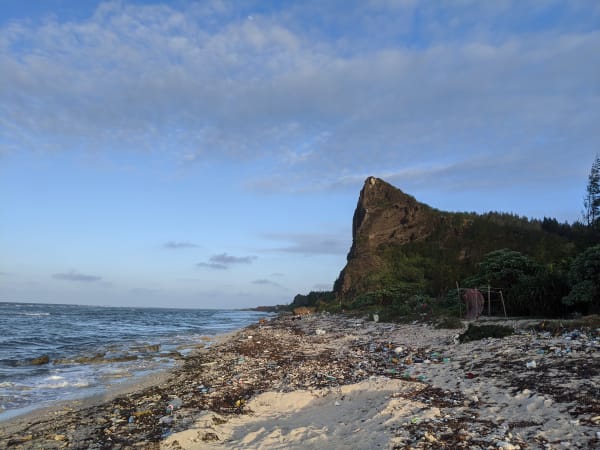
Núi Giếng Tiền is one of several extinct volcanic craters that define Lý Sơn's landscape, sitting on the island's southern side near Cổng Tò Vò. It is less prominent than Núi Thới Lới - lower, less visited, and without the flag tower - but it forms the geological backdrop to the island's eastern cluster of attractions. Chùa Đục is built directly into its lower slopes, and the crater is visible from Cổng Tò Vò as the dark mass rising to the south. The name 'Giếng Tiền' - Well of Coins - comes from a local legend about a freshwater spring at the crater's base that was said to contain ancient coins. Like all of Lý Sơn's volcanic formations, it was shaped by eruptions millions of years ago and has been slowly worn by the sea and wind ever since.
Gallery





How to Get There
🚗 Getting There
Núi Giếng Tiền is in the eastern part of Lý Sơn's main island, adjacent to Cổng Tò Vò and Chùa Đục. From the ferry port in An Vĩnh, follow the coastal road toward An Hải - around 10-15 minutes by motorbike. The crater is accessed via the same road as Cổng Tò Vò and Chùa Đục.
What to Expect
👀 On the Ground
The lower slopes are accessible via the steps up to Chùa Đục. The crater rim itself requires more effort and is not a formally developed trail - ask locally about current access conditions before attempting the full climb. The views from the upper slopes look out over the eastern coast, the garlic fields, and Cổng Tò Vò below.
Travel Tips
🧳 Tips
Most visitors experience Núi Giếng Tiền as the backdrop to Cổng Tò Vò rather than as a destination in its own right. If the summit of Thới Lới is the island's primary volcanic viewpoint, Giếng Tiền is the secondary one - worth the climb for those who want a quieter, less developed perspective on the same landscape.
Insider Tips
Based on real traveler experiences and commonly mentioned advice from multiple visitors.
Explore more things to do like this around Vietnam