
Lý Sơn is a volcanic island 15 nautical miles off the coast of Quảng Ngãi - a cluster of ancient craters, black basalt cliffs, and clear turquoise water that remains one of the least developed islands in central Vietnam. Known as the 'Kingdom of Garlic' for the purple garlic grown in volcanic soil that covers much of the island, Lý Sơn also carries a deep historical weight as the home of the Hải Đội Hoàng Sa - the imperial navy unit that for centuries sailed to claim and defend Vietnam's sovereignty over the Hoàng Sa (Paracel) Islands.
Places to Visit · 11 spots
🏝️ Island
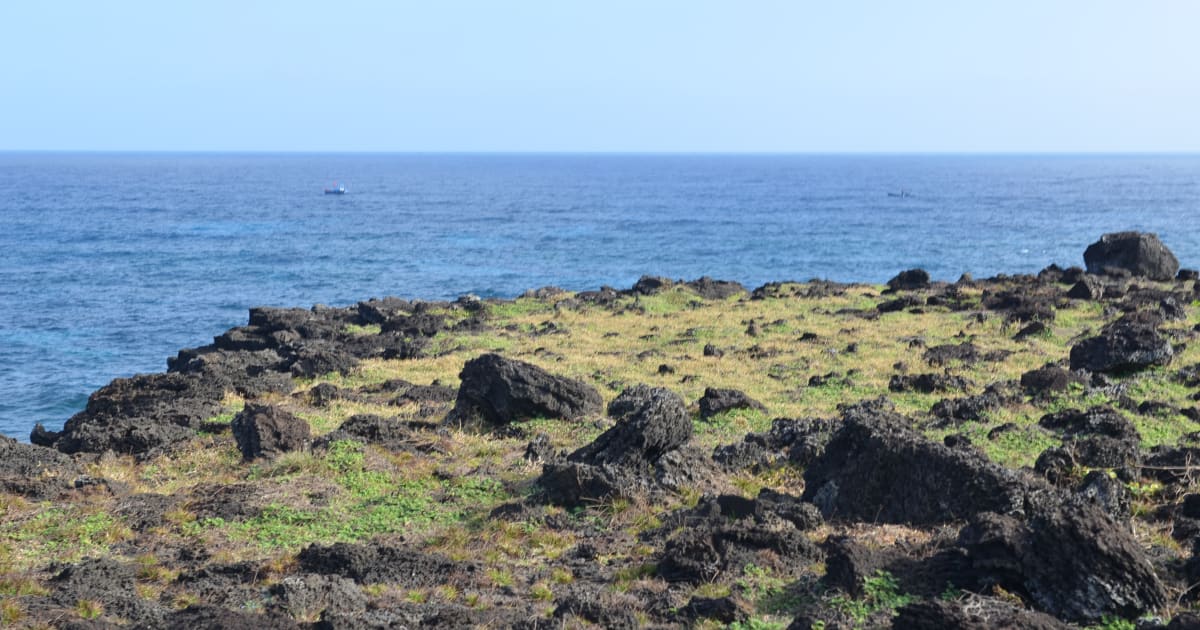
Đảo Bé (An Bình Island)
Đảo Bé - An Bình Island - is a small outer island 3 nautical miles west of Lý Sơn's main island, reachable by a 15-minute boat ride. With clearer water, more intact coral reefs, and a fraction of the crowds of the main island, it is the best snorkeling location in the Lý Sơn archipelago and a quieter alternative for a half-day by the sea.

🎎 Cultural
Đình làng An Hải
Đình làng An Hải is one of Lý Sơn's two historic village communal houses, serving as a memorial to the Hải Đội Hoàng Sa - the imperial navy conscripts from Lý Sơn who for over two centuries sailed annually to assert Vietnamese sovereignty over the Hoàng Sa (Paracel) Islands, knowing many would not return.

🎎 Cultural
Đình làng An Vĩnh
Đình làng An Vĩnh is the communal house of Lý Sơn's oldest village, near the main ferry port, and one of the two sites central to the Hải Đội Hoàng Sa memorial tradition - the annual ceremony honoring the Lý Sơn sailors sent on imperial missions to the Hoàng Sa (Paracel) Islands.
📍 Pagoda
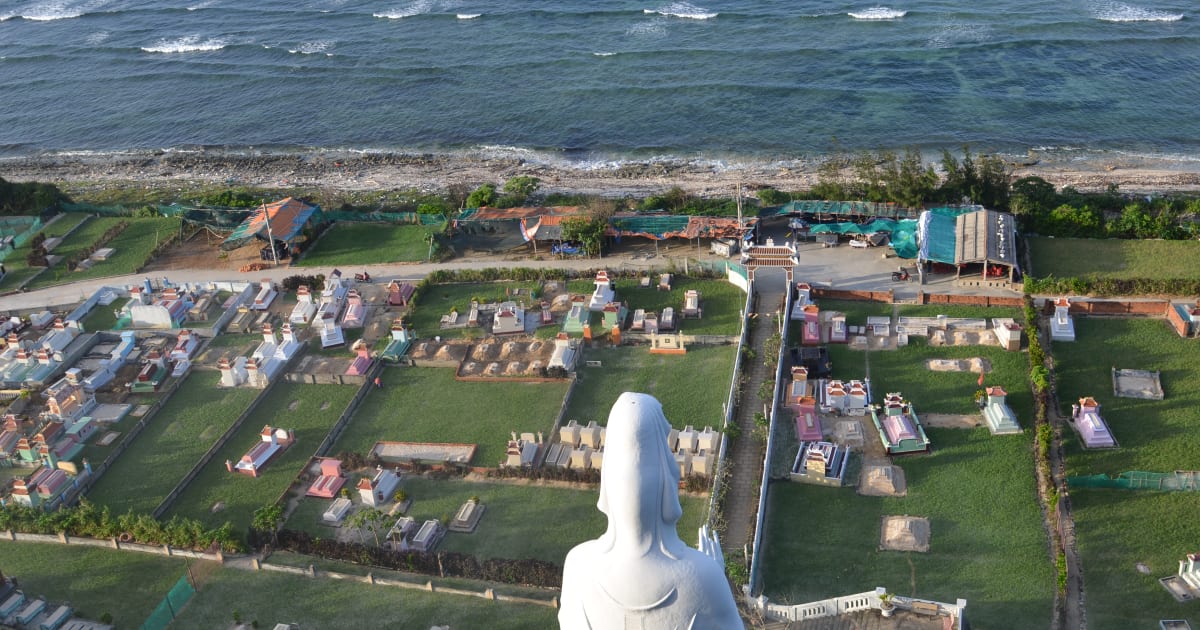
Chùa Đục
Chùa Đục is a pagoda built into the volcanic rock face of Núi Giếng Tiền on Lý Sơn's eastern coast, accessed by over 100 stone steps cut into the cliff. The complex is dominated by a 27-meter white Quan Âm statue facing the sea, believed by locals to protect the island from storms and typhoons.
🏔️ Mountain
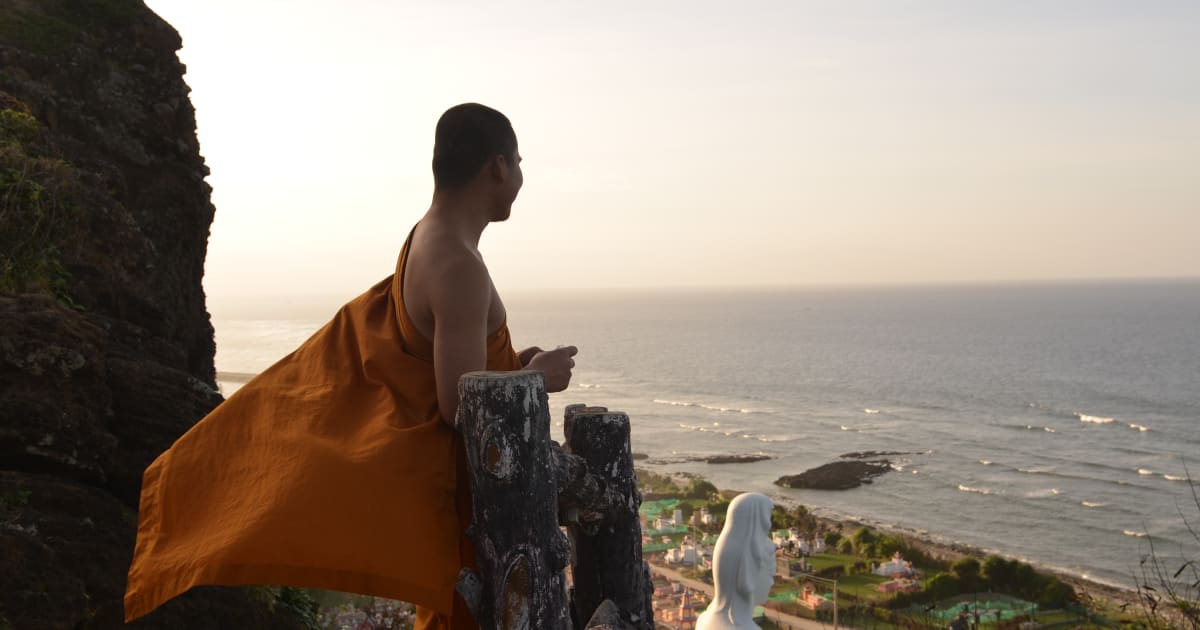
Núi Giếng Tiền
Núi Giếng Tiền is one of Lý Sơn's extinct volcanic craters on the island's southern side, visible from Cổng Tò Vò and home to Chùa Đục on its lower slopes. Less visited than Núi Thới Lới, it offers a quieter perspective over the island's eastern coast and garlic fields.

🏖️ Beach
Hang Câu
Hang Câu is Lý Sơn's most dramatic coastal spot - a beach at the base of Núi Thới Lới where vertical basalt cliffs meet turquoise water and coral reefs. The combination of volcanic cliff faces, clear water, and accessible snorkeling makes it the island's top swimming and photography destination.

📍 Pagoda
Chùa Hang
Chùa Hang - Thiên Khổng Thạch Tự - is a 400-year-old pagoda built inside the largest natural cave on Lý Sơn, carved from the volcanic rock of Núi Thới Lới. The cave is 24 meters deep with a 3.2-meter ceiling, housing altars set into natural stalactites, and the courtyard outside is shaded by ancient sea almond trees believed to be over 400 years old.

🌿 Nature
Lý Sơn Garlic Fields
Lý Sơn's garlic fields cover much of the island's flat interior - rows of purple garlic grown in a unique mix of volcanic ash and white sand that produces a flavor unlike garlic grown anywhere else in Vietnam. The fields are most photogenic during the February to April harvest season, when the green rows stretch across the black volcanic soil toward the sea.

📍 History
Di tích Nhà Pha
Di tích Nhà Pha is a historical site on Lý Sơn preserving the ruins of a colonial-era detention facility used during the French and American war periods. A minor but historically significant stop for visitors interested in the island's layered past beyond its volcanic geology.

🏔️ Mountain
Núi Thới Lới
Núi Thới Lới is Lý Sơn's highest point at 169 meters - an extinct volcanic crater where a 20-meter national flag tower stands facing the Hoàng Sa (Paracel) Islands. The summit offers the best panoramic view on the island: garlic fields, fishing villages, Đảo Bé, Hang Câu beach, and open sea in every direction.

📍 Landmark
Cổng Tò Vò
Cổng Tò Vò is Lý Sơn's most iconic landmark - a 2.5-meter natural basalt arch formed from volcanic lava over 4,000 years ago, jutting into the sea on the island's eastern shore. Designated a National Heritage Site in 2025, it is best photographed at sunrise or sunset when light frames the arch against the open sea.
Plan Your Trip
Getting There
Ferry from Sa Kỳ port (Quảng Ngãi city, 30km from center) - high-speed boat takes 30 minutes, slow ferry around 1.5 hours. Boats run daily from around 7 AM; buy tickets at the port or book ahead during peak season (Apr - Aug). Quảng Ngãi city is accessible by train or bus from Đà Nẵng (3 hours) or Quy Nhơn (2 hours).
Best Time to Visit
Mar - Aug (calm seas and clear water for snorkeling; garlic harvest in Mar - Apr is the most photogenic time). Avoid Sep - Jan when the island is frequently cut off by storms and many guesthouses close.
Recommended Stay
3 - 4 days
Practical Info
SIM & Connectivity
Viettel or Vietnamobile available locally. Unlimited data from ~150,000 VND/month.
Scam Alerts
Use Grab for transport. Agree on prices upfront for any local services.
Money
Cash-first destination. Withdraw VND at ATMs - avoid airport exchange booths.
Emergency
Police: 113 · Ambulance: 115 · Fire: 114
Explore the region
🌊 Central Vietnam