Overview
Things to Know
What Makes Nam Du Islands Special
Nam Du is the southernmost inhabited island group in Vietnam, a cluster of 21 islands in the Gulf of Thailand about 90km southwest of Rạch Giá. The archipelago sits well offshore - further from the mainland coast than any other Kiên Giang island group except the Thổ Chu islands - and the combination of distance, limited ferry connections, and absence of resort development has preserved a character that Phú Quốc lost years ago. The water around Nam Du, particularly at the outer islands and rocky headlands, is among the clearest in southern Vietnam. The main island (Hòn Lớn) has a fishing community, basic accommodation, and the pier infrastructure. The outer islands range from inhabited fishing hamlets to completely wild rocks and beaches accessible only by chartered boat. Snorkeling conditions at the outer reefs in the dry season are exceptional by southern Vietnamese standards.
Gallery
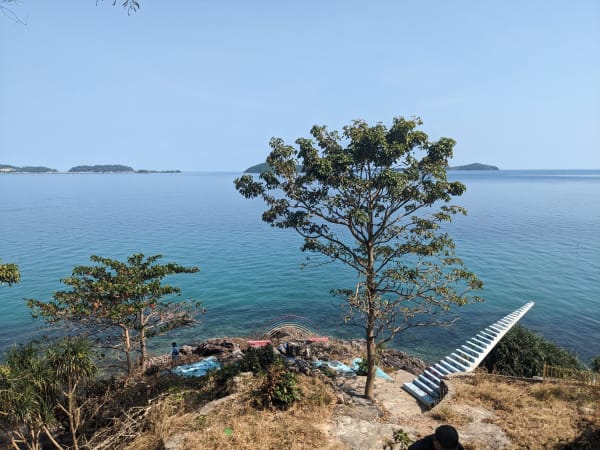


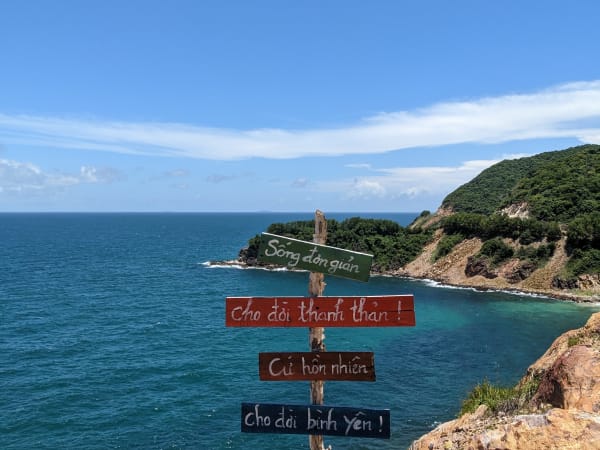

How to Get There
🚗 Getting There
Nam Du is reached by high-speed ferry from Rạch Giá city. The crossing takes approximately 2.5 - 3 hours and ferries run daily in the dry season with reduced frequency in the wet months. Rạch Giá is 120km from Cần Thơ (2.5 hours) and approximately 250km from Ho Chi Minh City (5-6 hours via Mekong Delta expressway). The ferry schedule to Nam Du is more limited than to closer islands - typically one to two departures per day in each direction. Check the current schedule at the Rạch Giá port before finalizing travel plans. An Thới port in Phú Quốc also has occasional services to Nam Du, making it possible to combine both islands on one trip.
What to Expect
👀 On the Ground
The main island has a compact settlement with the pier, guesthouses, seafood restaurants, and motorbike and boat rental at the dock. The island road is short but the terrain is hilly - motorbike is better than cycling for reaching the outer beaches. The clearest water is at the outer islands, which require a boat rental for the day - half-day circuits covering 3-4 outer islands are the standard arrangement. The fishing community character is genuine: boats leave before dawn, the pier is active in the mornings with unloading and icing the catch, and the seafood restaurants source directly from the fleet.
Travel Tips
🧳 Tips
Nam Du is the island mày go to when Phú Quốc feels too developed and Hòn Sơn feels too close to the mainland. The 3-hour crossing is a real commitment that filters out day-trippers and keeps the island at a pace that resembles what coastal tourism in the Gulf of Thailand looked like 15-20 years ago. The combination of main island orientation on day one and outer island boat charter on day two is the standard two-day structure. For a three-night trip, adding a camping night on one of the outer uninhabited islands is possible with equipment and a boat arrangement - one of the more genuine wilderness experiences available in southern Vietnam.
Insider Tips
Based on real traveler experiences and commonly mentioned advice from multiple visitors.
FAQ
Common questions from travelers who've visited this place.
Can foreigners visit Nam Du Island?›
What is the best way to reach Nam Du Island?›
What are the main activities on Nam Du Island?›
Nearby Locations
Explore more things to do like this around Vietnam